DKS ServiceWorks DKS ServiceWorks

How to Choose the Best Tools for Professional Construction Work?

Time:2026-05-25 Author:Henry
0%

In the construction industry, selecting the right tools is crucial. A recent industry report by McKinsey highlights that construction productivity lags behind other sectors by 20%. This gap often stems from improper tool selection. Knowing how to choose tools for professional construction work can significantly impact efficiency and project success.

Moreover, studies indicate that 65% of construction professionals feel overwhelmed by tool options. An informed choice can streamline workflows and enhance safety. For instance, choosing ergonomic tools reduces worker fatigue. In turn, this can lead to shorter project timelines and better overall performance.

While many resources exist, the process is not always straightforward. Some tools may seem beneficial at first but fail in practical application. Continuous evaluation and feedback from the field are necessary. Reflecting on tool performance is essential for making informed future choices.
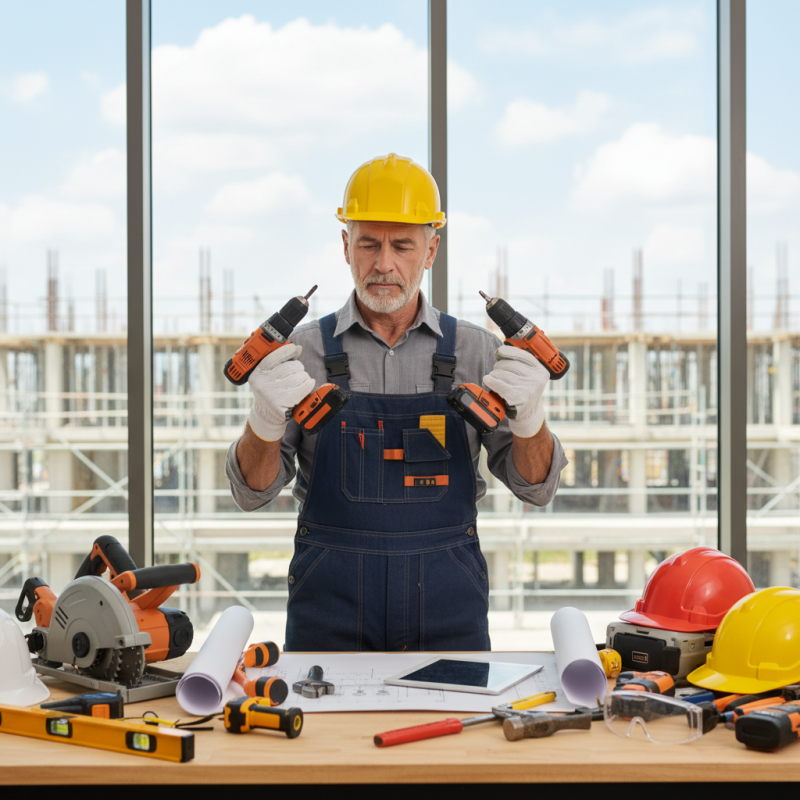
How to Choose the Best Tools for Professional Construction Work?

Understanding the Different Types of Construction Tools Available

When selecting construction tools, it's essential to understand the various types available. Each tool serves a specific purpose, influencing efficiency and safety on the job. Basic hand tools include hammers, screwdrivers, and wrenches. These are indispensable for everyday tasks. Power tools like drills and saws offer speed and precision, but they require careful handling. Operators must be trained to avoid accidents.

Material-specific tools are also vital. For masonry work, trowels and levels ensure quality and accuracy. In landscaping, tools like shovels and rakes cater to different soil types. Often, professionals overlook the importance of proper tool selection. Using the wrong tool can lead to wasted time and increased costs.

Maintenance knowledge plays a crucial role, too. Tools must be kept in good condition for optimal performance. Regular inspection for wear can prevent job delays. Understanding the unique features of each tool empowers workers to make informed decisions. This knowledge fosters skill development and enhances overall job quality. It's an ongoing process, and learning from mistakes is part of refining one's expertise.

Assessing the Quality and Durability of Construction Tools

When selecting construction tools, assessing their quality and durability is essential. Quality tools not only perform better but also offer increased safety on the job. Look for tools made from high-grade materials. Stainless steel and high-carbon steel often provide better longevity compared to lower quality metals.


Tips: Test the grip of tools. A comfortable handle ensures better control. Pay attention to weight distribution as well. A well-balanced tool reduces fatigue during long hours of work. Inspect the tool’s finish; any rust or imperfections may indicate a lack of durability.


Durability is also influenced by design. Tools that are easy to repair or maintain should be prioritized. Examine the warranty provided; it often reflects the manufacturer’s confidence in their product. However, remember that even the best tools can fail. Wear and tear can occur over time, highlighting the importance of regular inspections.


Ultimately, investing time in evaluating these aspects can safeguard your projects. Rely on your experiences and peer recommendations for insights into tools that withstand the test of time. Choose wisely, as your tools significantly impact your workflow and overall results.

Evaluating the Ergonomics and Safety Features of Tools

When selecting tools for professional construction work, ergonomics and safety features play critical roles. Ergonomically designed tools reduce strain on the body. A well-placed grip can mean the difference between comfort and fatigue. Workers often overlook simple designs that provide better hand positions. Fatigue can lead to mistakes, increasing injury risk.

Safety features are equally important. Tools should have protective guards and secure mechanisms to prevent accidental injuries. For instance, a tool with a non-slip handle provides better control, reducing chances of slips. However, some tools may prioritize power over safety, a trade-off worth examining.

Invest time in evaluating tools that not only meet performance standards but also enhance user comfort. The right tools can significantly boost productivity while minimizing physical stress. Encourage feedback from team members on the tools they use regularly. Their insights can highlight areas needing improvement or reaffirm effective designs. Balancing ergonomics with safety is essential for ensuring a secure work environment on any construction site.

Comparing Cost-Effectiveness and Value for Money

When selecting tools for professional construction work, the concept of cost-effectiveness plays a crucial role. It’s tempting to go for cheaper options initially, but hidden expenses can arise. Tools that break easily or require frequent replacement can quickly increase costs. Investing more upfront can save money in the long run. Quality tools perform better and last longer. Thus, understanding the total cost of ownership is essential.

Evaluating value for money involves examining both performance and durability. Tools that have a solid reputation might seem pricier but often prove their worth. Consider the specific tasks you will perform. A specialized tool may be more effective than a multi-purpose one. Yet, not all specialized tools are created equal; some may lack efficiency or usability. It's important to conduct research and seek feedback from professionals in the field.

A balanced approach is necessary. You might find that mid-range tools offer the best compromise between cost and performance. Review your needs regularly. What worked once may not be sufficient later. Constantly reassessing your tools can ensure that you are always equipped with what you need for maximum productivity.

Identifying Essential Tools for Specific Construction Projects

Choosing the right tools for construction work demands careful consideration of project needs. Different tasks require specific tools. For example, framing a house necessitates measuring tools and saws. These items ensure accuracy and efficiency. Conversely, plumbing tasks focus on pipe cutters and wrenches. Each job has its own set of essential tools.

Identifying the right tools can be challenging. Beginners may overlook the importance of quality. Cheap tools might break or deliver poor performance. This can lead to project delays and safety concerns. Seek advice from experienced workers. Their insight may point you toward reliable options. Experimenting with various tools also informs better choices. It builds your expertise over time.

Investing in essential tools can be a game-changer. However, relying solely on popular opinions can lead you astray. Understand the specific requirements of your project. Each tool serves a unique purpose. Embrace the learning curve, and don’t hesitate to learn from mistakes. This awareness offers a solid foundation for your construction journey.

FAQS

: How can I assess the quality of construction tools?

: Look for tools made from high-grade materials like stainless steel. Test their grip for comfort and control.

Why is tool durability important?

Durability means tools last longer and perform better. Regular inspections help identify wear and tear before it affects work.

What details should I inspect when choosing tools?

Check for rust or imperfections on the tool's finish. These can indicate a lack of durability.

How do I evaluate the cost-effectiveness of tools?

Consider the total ownership cost. Cheaper tools may break easily, leading to higher replacement costs.

What should I consider when selecting specialized tools?

Assess the specific tasks at hand. Some tools may be more effective than multipurpose ones, but not all perform equally.

Why is seeking professional advice beneficial?

Experienced workers can provide reliable insights. Their recommendations help avoid poor-quality tools and unnecessary expenses.

How can I ensure I choose the right tools?

Regularly review your project needs. What worked in the past may not suit your current requirements.

How important is the design of a tool?

A good design facilitates repair and maintenance, enhancing the tool's longevity and usability. Aim for ease of use.

Should I trust popular opinions on tools?

Popular choices aren’t always best. Understand your project’s specific needs and ask questions.

Can mistakes in tool selection impact project success?

Yes, poor tools can lead to delays and safety issues. Embrace learning from errors to improve future choices.

Conclusion

When considering how to choose tools for professional construction work, it is essential to understand the various types of construction tools available in the market. Each tool plays a specific role, and evaluating their quality and durability helps ensure long-term performance and reliability on the job. Additionally, factors such as ergonomics and safety features must be assessed to minimize the risk of injuries and enhance worker efficiency.

Cost-effectiveness and value for money are also critical aspects of the decision-making process. Comparing the price against the tool's performance and lifespan can lead to better investment choices. Finally, identifying essential tools tailored to specific construction projects ensures that professionals are equipped with the appropriate instruments for successful outcomes. By considering these factors, one can make informed choices that enhance productivity while maintaining safety and quality standards in construction work.

Henry

Henry

Henry is a dedicated marketing professional with a profound expertise in the company's offerings. With years of experience in the industry, he possesses an impressive understanding of the market dynamics and consumer behaviors that drive success. Henry is committed to sharing his insights through......