DKS ServiceWorks
When tackling DIY projects, many often wonder how to choose between corded and cordless drills. This decision can significantly impact your work efficiency and project outcomes. Corded drills offer strong, continuous power. They are perfect for heavy-duty tasks and prolonged use without worrying about battery life.
On the other hand, cordless drills provide exceptional convenience. Their portability allows for flawless maneuverability, especially in tight spaces. However, power and battery longevity may become issues during extensive use. Each option has unique strengths and weaknesses, making the choice challenging.
Reflecting on types of drills, it’s crucial to consider your specific needs. Assess factors like project scale, available workspace, and frequency of use. Understanding how to choose between corded and cordless drills can ultimately enhance your DIY experience and ensure successful projects.
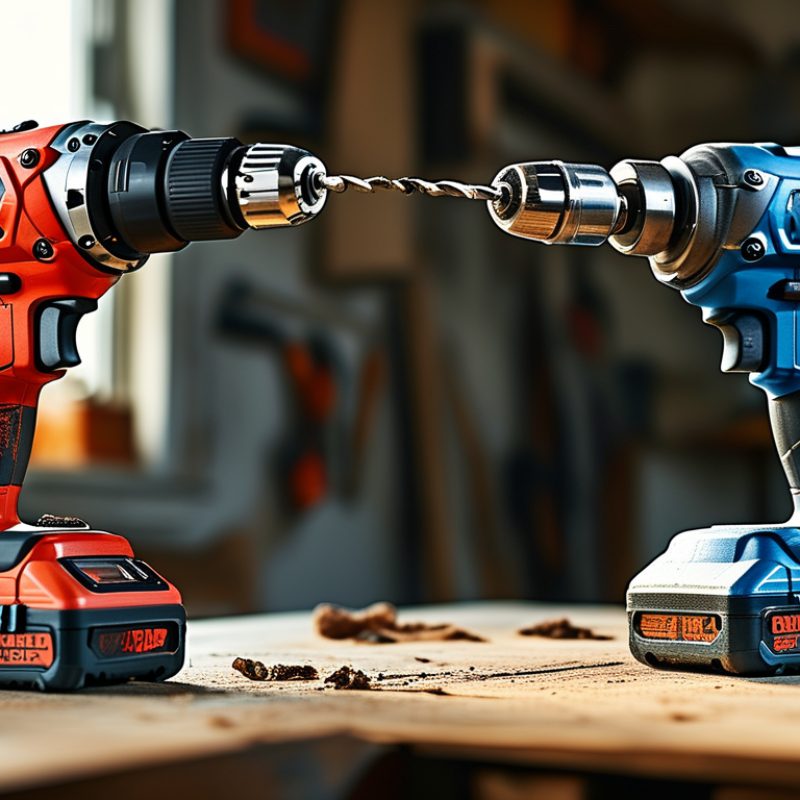
When choosing between corded and cordless drills, it's essential to understand their fundamental differences. Corded drills provide a consistent power supply. This means you can handle heavy-duty tasks without worrying about battery life. They are ideal for long hours of work. However, their mobility is limited. You cannot use them far from an outlet. This can be frustrating, especially in larger workspaces.
On the other hand, cordless drills offer unparalleled convenience. They are lightweight and portable, making them perfect for quick jobs. You can easily move from one location to another without being tethered. Battery technology has improved significantly, but it's not without issues. Batteries can deplete unexpectedly, and replacements can be costly. It's crucial to assess how often you will use the tool. If you need versatility, a cordless drill might be your best bet.
Both types have their strengths and weaknesses. Many woodworking professionals prefer corded drills for their power, while DIY enthusiasts often lean towards cordless models for convenience. Your choice should reflect your specific needs. Consider the types of projects you tackle most often. Understanding these basics can guide you in making a well-informed decision.
| Feature | Corded Drill | Cordless Drill |
|---|---|---|
| Power | Higher power output, ideal for heavy-duty tasks | Less power, suitable for light to medium tasks |
| Portability | Limited by cord length and proximity to power outlets | Highly portable, ideal for use in remote locations |
| Battery Life | No battery required | Limited battery life, requires recharging |
| Cost | Generally lower initial cost | Higher initial cost due to battery and charger |
| Maintenance | Minimal maintenance required | Battery may require replacement over time |
| Suitability | Best for stationary work and long projects | Best for quick tasks and mobility |
When choosing between corded and cordless drills, power and performance are crucial factors. Corded drills are typically more powerful. They provide consistent power without the need to recharge. This aspect makes them ideal for heavy-duty tasks. If you're working on projects that demand high torque, a corded drill is reliable. You can use it for extended periods without worrying about battery life.
On the other hand, cordless drills offer unmatched convenience. With advancements in battery technology, modern cordless drills now provide decent power as well. They are perfect for tasks that require mobility and flexibility. You can maneuver easily, reaching tight spots without the hassle of cords. However, ensure the battery's capacity matches your intended use. Some users may find the runtime inadequate for larger jobs.
Both types have their merits. If you often work indoors or in tight spaces, a cordless drill might suit you better. For those who tackle heavy projects or work at home, a corded drill may be more effective. Assess your specific needs carefully. Your choice should reflect the balance between power and portability that serves you best.
When considering cordless drills, battery life is crucial. A drill with a strong battery allows for extended use without interruption. Most modern models offer lithium-ion batteries, which last longer and charge faster. However, battery capacity can vary significantly among different models. Understanding the amp-hour rating can help gauge how long you can work before needing a recharge.
Charging times also play a significant role in choice. Some drills charge in one hour, while others may take several hours. For professionals or those who tackle large projects, this is an essential factor. Consider how often you will need the drill. If you frequently switch tasks, a quicker charging model can save you precious time.
There are trade-offs to consider. Over time, batteries lose capacity, impacting performance. Lower-quality batteries may need replacements sooner, increasing costs. It’s important to assess your actual needs and usage patterns. You might find that a lower capacity battery, if paired with good charging times, suits your projects well. Be sure to test drills for comfort and functionality before committing, as the best choice often comes down to personal preference.
When considering a drill, portability and convenience are vital. Cordless drills excel in both areas. They are lighter and easier to maneuver. Whether navigating a tight space or working outdoors, cordless drills offer the flexibility needed for various tasks. You can carry them to any location without being tethered to an outlet.
Tips for choosing a cordless drill: Aim for a model with a lightweight design. It enhances control when working overhead or in tricky spots. Battery life is critical. A drill with a longer-lasting battery reduces interruptions during projects. Look for a quick-charge feature to minimize downtime. Always keep an extra battery on hand; unexpected errands can arise.
Yet, cordless models can struggle with heavy-duty tasks. They may not deliver the same power as corded models. Users might need to adjust expectations for specific jobs. Being aware of these limitations allows for better planning. Consider your usual tasks and how often you might need that extra power. Balancing between mobility and capability ensures you choose the best drill for your needs.
When deciding between corded and cordless drills, it’s crucial to consider long-term costs. Corded drills typically have a lower upfront cost. They are often more durable and do not require battery replacements. Their plug-and-play nature means you won’t run out of battery in the middle of a job. This reliability can save you money on repairs and replacements over time.
Cordless drills, while more convenient, come with hidden costs. The initial price may be higher, and you’ll need to replace batteries every few years. Battery technology is improving, but costs can add up. Users must also consider the time lost waiting for batteries to charge. As time goes on, these factors may outweigh the portability benefits. Reflecting on this, it’s essential to assess your usage needs.
Evaluating how often you drill and the types of projects you undertake is key. For heavy-duty work, corded options are often best. For occasional tasks, a cordless model may suffice. Making the right choice requires a balance of convenience and cost efficiency. Think about your future projects. Will those batteries serve you well in the long haul? Cost and maintenance are not just present concerns but future ones too.
: Corded drills provide consistent power and are ideal for heavy-duty tasks.
Choose a cordless drill for mobility and flexibility in tight spaces or outdoor tasks.
Battery life affects runtime. A shorter battery may not suffice for larger jobs.
Look for a lightweight design, longer battery life, and quick-charge capability.
Cordless drills may struggle with heavy tasks. Users should manage their expectations.
Assess your typical tasks to find a balance between power and portability.
Cordless drills can sometimes run out of battery, causing project interruptions.
Keep an extra battery on hand for unexpected errands or extended projects.
Portability allows easier maneuvering in various locations without being tethered.
Evaluate your specific needs: heavy projects may require corded, while light tasks favor cordless.
When considering how to choose between corded and cordless drills, it's essential to understand the fundamental differences between the two types. Corded drills typically offer consistent power and performance, making them ideal for heavy-duty tasks. In contrast, cordless drills excel in portability and convenience, allowing users to operate freely without being tethered to an outlet.
Additionally, battery life and charging times are crucial factors for cordless models. While they provide unmatched mobility, users must consider how long the battery lasts and the time required for recharging. Finally, evaluating the long-term costs and maintenance of both types can help in making a more informed decision, ensuring that the choice aligns with the user’s specific needs and usage scenarios.
