DKS ServiceWorks DKS ServiceWorks

How to Choose the Best Drill for Your Home Projects?

Time:2026-07-24 Author:Amelia
0%

Choosing the right drill for home use can be overwhelming. With so many options available, it is crucial to understand your specific needs. Expert Jamie Smith, a seasoned contractor, emphasizes, "A good drill can make or break your project." This quote highlights the importance of selecting the right tool.

When considering how to choose the right drill for home use, start by assessing your typical projects. Do you need a drill for light tasks, or will it tackle heavy-duty work? Knowing this can narrow down your choices significantly. Corded drills offer continuous power, while cordless models provide portability.

It's also essential to evaluate the drill's features. Look for adjustable speed settings and comfortable grip designs. These details can greatly enhance your experience. Remember, a common mistake is to buy a powerful drill without understanding its specific applications. Take time to reflect on your requirements. Finding the perfect drill involves both careful consideration and practical needs.
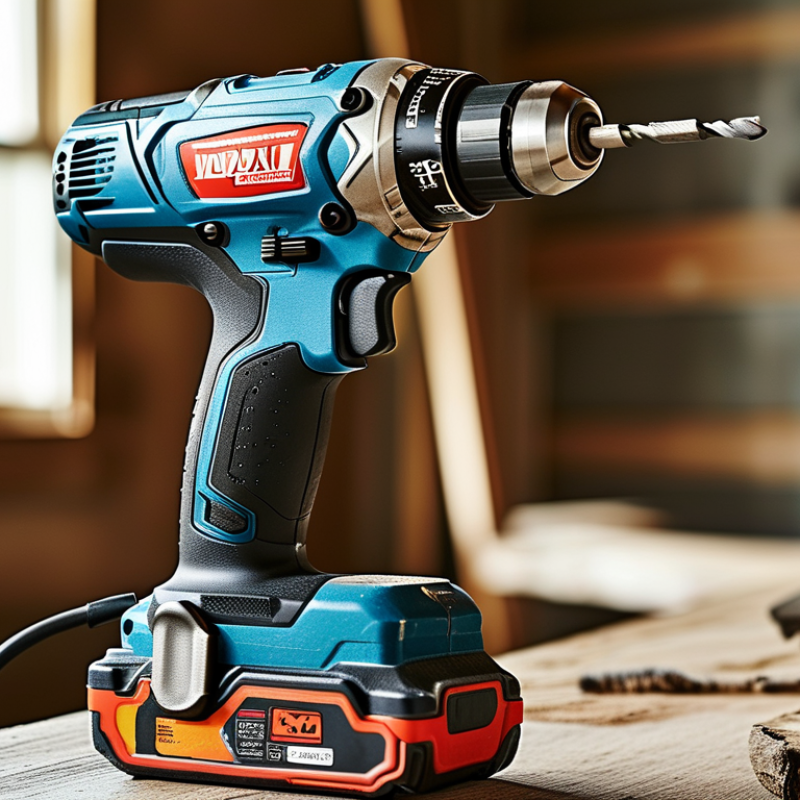
How to Choose the Best Drill for Your Home Projects?

Understanding Different Types of Drills Available for Home Use

When tackling home projects, selecting the right drill is crucial. Different types of drills serve various purposes. Corded drills provide consistent power for heavy-duty tasks. They require access to an outlet but will not run out of battery mid-job. In contrast, cordless drills offer mobility. They are perfect for smaller tasks and can be easily transported around the house. Consider the weight and size, as a lightweight drill can enhance your control and comfort.

Tips: Always check the battery life of cordless models. A shorter life means more interruptions. Look for drills with adjustable speed settings. This adds flexibility for various materials.

Hammer drills are essential for masonry work. They combine rotary motion with a hammering action. This makes them effective for drilling into brick or concrete. Keep in mind, these drills can be heavier and more challenging to handle. If you are inexperienced, practice on scrap material first. This reduces the risk of making costly mistakes.

Tips: Safety is key. Always wear protective eyewear. Be cautious of overheating, especially when drilling into tough materials. Regular maintenance can prolong your drill's life and effectiveness.

How to Choose the Best Drill for Your Home Projects? - Understanding Different Types of Drills Available for Home Use

Type of Drill Power Source Best For Weight Price Range
Corded Drill Electric Heavy-duty tasks 4-6 lbs $50 - $150
Cordless Drill Battery General home use 3-5 lbs $30 - $200
Hammer Drill Electric Masonry, concrete work 5-8 lbs $60 - $300
Impact Driver Battery Driving screws 3-4 lbs $50 - $250
Rotary Hammer Electric Tough drilling applications 7-12 lbs $150 - $600

Key Features to Consider When Choosing a Drill for Your Projects

Choosing the right drill for your home projects can feel overwhelming. It's essential to consider several key features that impact usability and performance. First, think about the drill type. Cordless drills offer mobility, while corded ones provide consistent power. Assess your project needs to determine which type suits you best.

Next, power is crucial. Look at the voltage for cordless drills; higher voltage typically means more power. For torque, increasing values indicate a stronger ability to drive screws and drill through tough materials. Pay attention to the drill's weight and grip as well. A heavier drill can cause fatigue during extended use, while a comfortable grip enhances control and precision.

Lastly, features like adjustable speed settings and built-in lights can significantly influence your drilling experience. However, it’s easy to overlook simple things. Sometimes, you might find yourself struggling with a heavy drill for DIY projects that don't require much power. Reflect on your specific tasks to avoid unnecessary complicating choices. Focus on practicality over features that sound appealing but aren't crucial for your projects.

Power Drill Features Comparison

This chart illustrates the key features of cordless and corded drills. The comparison includes specifications such as power, maximum speed, weight, battery life, and chuck size. Such factors are critical when selecting the best drill for your home projects.

Assessing Your Home Projects to Determine Drill Requirements

When assessing your home projects, understanding your drill requirements is essential. Different tasks demand various drill capabilities, making it vital to evaluate what you plan to accomplish. According to industry reports, around 50% of homeowners underestimate the size and type of drill needed for their projects. This leads to frustration and delays in completion.

Start by identifying the materials you will work with. Are you drilling into wood, metal, or masonry? Each material requires a specific drill bit and power. For instance, wood generally needs less torque than concrete. In fact, studies indicate that homeowners often choose drills designed for lighter tasks, only to find them underpowered for harder materials.

It's also important to consider the frequency of use. A drill that works for small, occasional tasks might not be suitable for more extensive renovations. A survey showed that 65% of DIY enthusiasts reported using their drills less than ten times a year. Meanwhile, professionals often require more durable and versatile tools. Choosing a drill without considering your actual use can lead to regret down the line. Being informed and realistic about your needs can help you select the right drill for your home projects.

Comparing Corded vs. Cordless Drills for Versatility and Power

When it comes to home projects, understanding the differences between corded and cordless drills is crucial. Corded drills offer consistent power. They run on electricity and deliver a higher torque. This makes them ideal for heavy-duty tasks like drilling into hardwood or masonry. According to a report by the Home Improvement Research Institute, 65% of professionals prefer corded drills for these reasons.

On the other hand, cordless drills provide unmatched portability. They are more versatile for DIY projects around the house. Wireless technology has evolved, offering batteries that last longer. In fact, a survey by the Power Tool Institute shows that nearly 70% of users find cordless drills sufficient for their needs. However, they may lack the prolonged power needed for tougher jobs. Battery life can also create challenges.

Think about your specific projects. Do you need power or convenience? Corded drills might sometimes feel restrictive with their cords. But if you require continuous work without recharging, they shine. Cordless options might require planning for battery replacements. Weigh these considerations carefully to make the right choice for your home.

Budgeting for Your Drill Purchase: Cost vs. Quality Considerations

When budgeting for a drill, balancing cost and quality is crucial. A lower price might seem tempting, but often sacrifices durability and performance. Cheap drills can break easily and might not handle tough tasks. Consider how you plan to use the drill. If it’s for occasional light projects, a budget model might suffice. However, frequent or demanding use requires a more reliable tool.

Choosing the right drill involves weighing various factors. Look for drills with decent power ratings and features that suit your needs. Research reliable reviews and ask experienced DIYers for opinions. Often, investing a bit more can save money in the long run. A higher-quality drill may come with better warranties or customer support, which can prove valuable.

Don't forget about maintenance when considering costs. Even the best drill requires care. Regular upkeep ensures longevity and efficiency. Think about the potential costs of repairs or replacements if you opt for a cheaper model. Quality often comes with a price, but that price can lead to better outcomes for your projects. It’s worth taking the time to reflect on how much you’re willing to invest for reliability and performance.

FAQS

: What is the main difference between corded and cordless drills?

: Corded drills offer consistent power and higher torque, ideal for heavy-duty tasks. Cordless drills provide portability and convenience for lighter projects.

What should I consider when choosing a drill?

Consider the weight, size, power requirements, and the tasks you plan to perform. Lightweight options enhance control.

How important is battery life for cordless drills?

Battery life is crucial. Short battery life leads to interruptions during tasks. Always check this feature before purchase.

Are hammer drills necessary for home improvement?

Yes, they are essential for masonry work. Their hammering action effectively drills into tough materials like brick and concrete.

How can I ensure the longevity of my drill?

Regular maintenance is essential. Clean the drill after use and check for overheating issues to prolong its effectiveness.

Should I opt for a cheaper drill model?

It depends. Cheaper drills may break easily and lack performance. Consider your usage frequency before making a decision.

Is safety important when using drills?

Absolutely. Always wear protective eyewear and be cautious. Practicing on scrap materials can reduce mistakes and promote safety.

How do I determine my drill needs?

Think about your project types. Do you require power for tough jobs or convenience for smaller tasks? This guides your choice.

What should I keep in mind when budgeting for a drill?

Balance cost and quality. Investing a little more can provide durability and better support, saving money in the long run.

Can I focus just on brand reputation?

Brand can matter, but prioritize features, quality, and reliability. Sometimes well-reviewed less-known brands perform better than top brands.

Conclusion

Choosing the right drill for home use involves understanding the variety of drills available, as well as their specific features. It's essential to consider the types of projects you plan to undertake to ensure you select a drill that meets your needs. Factors such as power source—whether corded or cordless—play a significant role in the versatility and effectiveness of the tool.

Additionally, evaluating your budget is crucial, as it allows you to balance cost and quality when making a purchase. By assessing your project requirements and understanding the key characteristics of different drills, you can confidently determine how to choose the right drill for home use, ensuring optimal performance and satisfaction for your DIY endeavors.

Amelia

Amelia

Amelia is a seasoned marketing professional with a wealth of expertise in our company’s core offerings. With an unwavering passion for driving growth and innovation, she plays a pivotal role in shaping our marketing strategies and enhancing brand visibility. A key aspect of her responsibilities......