Drilling into concrete can be a daunting task. It often requires the right tools and techniques to avoid damage. Experts emphasize the importance of proper execution. One such expert, Jake Thompson, a seasoned contractor, once said, “Using the wrong bit can ruin not just the tool but also your project.”
To successfully learn how to drill into concrete without damaging tools, one must consider various factors. The choice of drill bit is crucial. Masonry bits are specifically designed to handle the hardness of concrete. Additionally, the drill speed needs careful adjustment. Too much speed can lead to overheating and tool damage.
It’s also essential to stay focused on the task. One misplaced angle can result in ineffective drilling. Accidents happen, even to experienced professionals. Learning from these moments can enhance future efforts. Remember, safety and precision go hand in hand in concrete drilling. Always prioritize your tools' longevity while mastering this challenging skill.
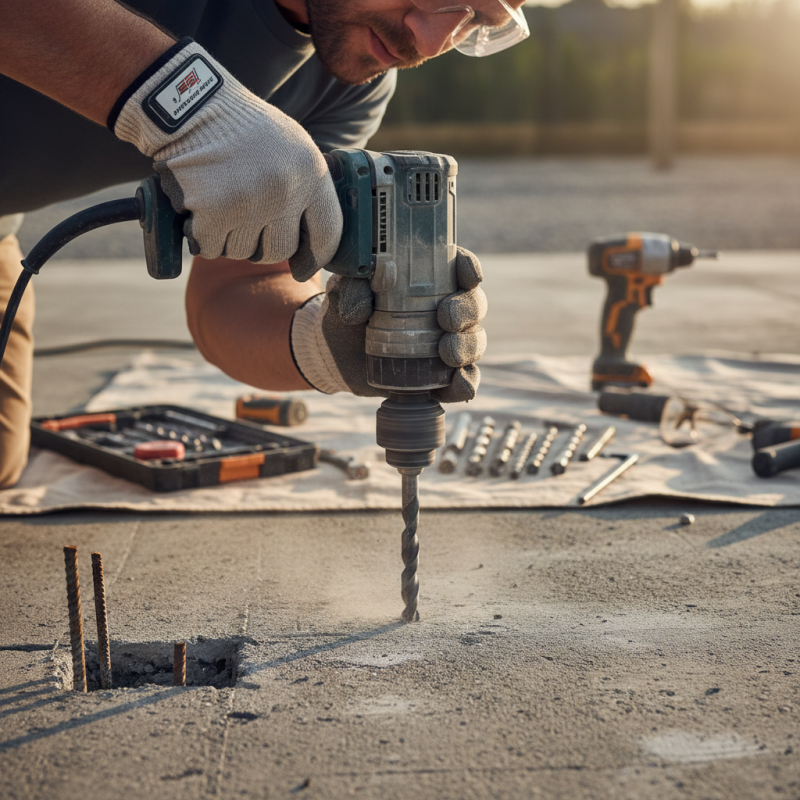
Understanding Concrete Composition and Its Impact on Drilling
Understanding concrete's composition is key to successful drilling. Concrete consists of cement, aggregates, water, and additives. The ratio of these ingredients affects its hardness. For instance, a mix containing more aggregates generally results in a denser, harder structure. Studies show that the compressive strength of concrete can reach up to 30 MPa or higher, which poses challenges when drilling. This high strength makes it essential to choose the right tools.
Different types of concrete require specific drill bits. For lightweight, lower-strength concrete, standard masonry bits may suffice. However, for tougher types, such as reinforced or high-strength concrete, carbide-tipped or diamond drill bits become necessary. Interestingly, using the wrong drill bit can lead to premature wear or even tool damage. A report by the American Concrete Institute indicates that using appropriate tools can enhance efficiency in drilling, reducing the time spent on each project.
The process of drilling into concrete requires finesse. Factors like temperature, pressure, and drill speed can influence outcomes. Many professionals recommend cooling bits with water to extend their lifespan. However, this may create a mess. Additionally, maintaining a steady hand is vital. Uneven pressure can lead to bit breakage. It's a delicate balance, and even experienced contractors encounter mishaps. Continuous improvement and adaptation in methods remain essential in this field.
Choosing the Right Drill and Bits for Concrete Applications
When drilling into concrete, the right tools are essential for precision and safety. Concrete is tough, and using incorrect drill bits can lead to tool damage. For effective drilling, choose carbide-tipped or diamond bits. These materials provide strength and durability against the harsh surface of concrete.
A study by the American Concrete Institute suggests that using standard steel bits can decrease efficiency by over 50%. Creating a pilot hole can help. This method reduces pressure on the bits and makes drilling smoother. There’s also a risk of overheating. Proper cooling methods, like water or oil, can mitigate this risk and prolong the life of your tools.
Quality matters significantly. Even top-rated drills can fail if not used correctly. Regular maintenance is vital. Inspecting tools for wear and replacing bits when damaged can prevent accidents and ensure quality performance. Some may overlook this, leading to subpar work. Investing time in understanding your tools pays off in the long run, reducing frustration and increasing productivity.
Preparing Your Tools and Workspace for Efficient Drilling
Preparing your tools and workspace is crucial for efficient drilling into concrete. The right setup minimizes damage to both your tools and the material you’re working on. Begin by ensuring you have the appropriate tools. A hammer drill or rotary hammer is ideal for concrete. The American Concrete Institute reports that using the correct drill not only enhances performance but also extends tool life significantly.
Consider your workspace as well. Clear the area of any debris and dust. A clean environment reduces the risk of tool malfunctions. Ensure proper lighting is available. Poor visibility can lead to misdrilled holes, causing frustration and potential harm. According to a report by the Occupational Safety and Health Administration (OSHA), adequate lighting is one of the key factors in preventing workplace accidents.
Using a steady hand and precise pressure is essential when drilling into concrete. Many DIY enthusiasts tend to apply excessive force, which can lead to tool damage. A professional tip is to let the drill do the work, applying minimal pressure. This approach not only conserves your tools but also improves hole accuracy. Reflecting on mistakes made, it's clear that a well-prepared tool and workspace can save time and prevent costly errors in future projects.
Techniques to Minimize Tool Wear While Drilling into Concrete
Drilling into concrete requires careful techniques to protect your tools. A study indicates that improper drilling can reduce tool life by 50%. The first step is using the right drill bits. High-quality carbide tips last longer. They are designed for durability, allowing you to drill more effectively.
Choosing the correct RPM is crucial. Research shows that lower speeds reduce heat. This minimizes wear on the drill bit. For instance, many experts recommend setting speeds between 1,200 to 2,000 RPM for most concrete applications. This approach helps prevent overheating, which is a common issue that leads to tool damage.
Another useful technique is to apply steady pressure. Too much force can break the bit, while too little can slow progress. It's a delicate balance. Furthermore, using water as a coolant can be beneficial. It reduces dust and keeps the drill bit cool. Be cautious. Overdoing this may lead to slippery conditions, making control difficult.
Drilling Techniques and Tool Wear
This chart demonstrates the durability of various drilling tools when used on concrete. The data reflects the average number of hours each tool can maintain effective performance before wear occurs. Tools like diamond bits are shown to have the highest durability, while impact drills tend to wear down more quickly.
Safety Precautions to Follow When Drilling into Concrete
Drilling into concrete is a challenging task. It's essential to follow safety precautions to protect yourself and your tools. Always wear safety goggles. This simple step can prevent concrete dust and debris from harming your eyes. Ear protection is also crucial. Concrete drilling can be loud, and prolonged exposure may damage your hearing.
Before starting, locate any hidden wiring or plumbing. Use a stud finder or similar device. Accidental damage to these can lead to hazardous situations. Ensure your workspace is clean and free of clutter. This reduces the risk of slips or falls. When holding your drill, maintain a firm grip, and use both hands if needed. A secure stance can prevent unintended movements.
It's vital to recognize that even with preparation, mistakes can happen. You might encounter unexpected resistance or cracks in the concrete. Respond calmly and adjust your technique accordingly. If your drill overheats, take a break. Overworking your tools can lead to permanent damage. Reflect on each drilling task to improve your skills for future projects.
How to Drill into Concrete Without Damaging Your Tools? - Safety Precautions to Follow When Drilling into Concrete
| Safety Precaution |
Description |
Recommended Tool |
Tips |
| Wear Safety Goggles |
Protects eyes from flying debris |
Safety goggles |
Ensure they fit well to avoid them dislodging |
| Use a Hammer Drill |
Designed specifically for drilling into hard surfaces |
Hammer drill |
Choose a model with a variable speed setting |
| Check for Rebar |
Avoid damaging tools by locating metallic objects |
Rebar detector |
Scan area before starting to drill |
| Cool the Drill Bit |
Prevents overheating and prolongs tool life |
Water or cutting oil |
Apply periodically while drilling |
| Stabilize Your Position |
Keeps the drill steady for accurate holes |
Drill stand or clamps |
Ensure a firm grip on the tool |
Conclusion
Drilling into concrete can be a daunting task, particularly when considering how to drill into concrete without damaging tools. Understanding the composition of concrete is crucial, as it influences the choice of tools and drilling techniques. Selecting the right drill and bits specifically designed for concrete applications can significantly improve efficiency and reduce wear on your equipment.
Preparation is key to successful drilling. Ensuring that your workspace is organized and your tools are in optimal condition will enhance performance. Employing techniques that minimize tool wear, such as using the correct speed and coolant methods, can prolong the lifespan of your equipment. Finally, it is essential to follow safety precautions to ensure a safe drilling environment. By implementing these strategies, you can achieve effective drilling results while safeguarding your tools from unnecessary damage.
 DKS ServiceWorks
