Power tools are essential in many DIY and professional projects. However, they can pose serious risks if not used correctly. It is vital to prioritize safety. Renowned safety expert Dr. Emily Carter emphasizes, "Understanding what safety precautions should be taken when using power tools can prevent accidents and injuries."
Many users overlook basic safety measures. Common mistakes include neglecting personal protective equipment and improper tool handling. For instance, wearing gloves can enhance grip, but loose clothing can get caught in machinery. Creating a safe workspace is equally important. Clear distractions and ensure good lighting to improve visibility.
Awareness is key. Always read the manufacturer's instructions and adhere to recommended practices. Even experienced users can benefit from regular safety reviews. Additionally, users should practice self-reflection on their habits with tools. This can lead to safer outcomes and a better understanding of risks involved.
Understanding the Importance of Safety Precautions for Power Tools
When working with power tools, safety precautions are essential. These tools can lead to serious injuries if not used properly. Common risks include cuts, burns, or even electric shock. Understanding the potential dangers helps foster a safer working environment. Developing a safety mindset is crucial before starting any project.
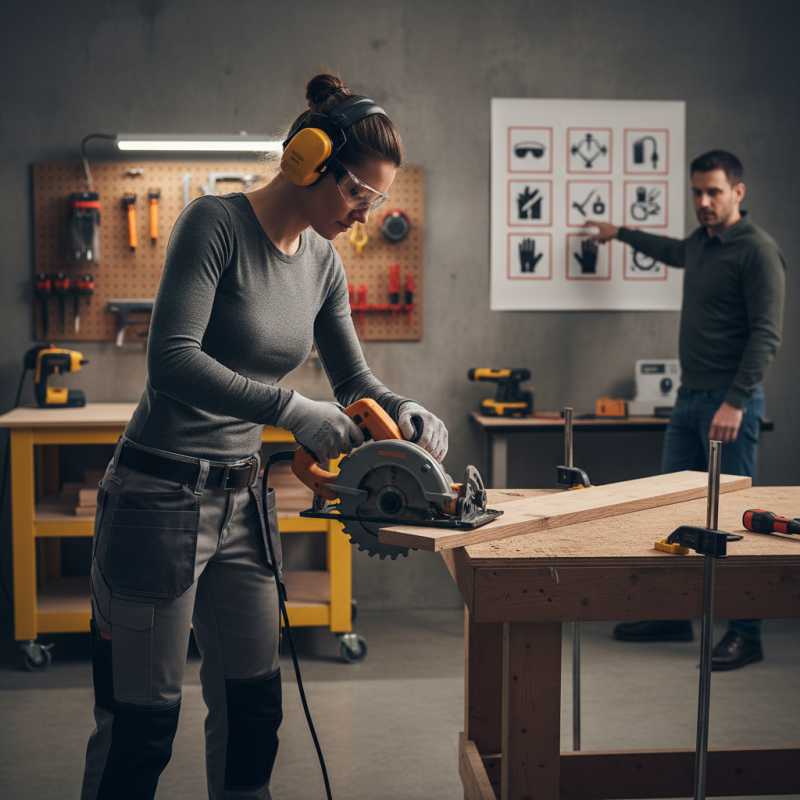
Wearing protective gear is a basic yet vital step. Safety goggles shield your eyes from debris, while gloves provide grip and protect against sharp edges. Ear protection can reduce the risk of hearing damage from loud tools. However, even with gear, accidents can happen. Reflecting on past incidents can help prevent future mistakes.
Knowing your tools is equally important. Each tool has specific safety requirements and handling techniques. Misusing a tool can lead to serious consequences. It’s advisable to read the manual and follow guidelines diligently. Engaging in training sessions adds to your expertise. Remember, overconfidence can lead to careless errors. Always pause to assess your surroundings before diving into a task.
Identifying Personal Protective Equipment (PPE) for Tool Usage
When working with power tools, personal protective equipment (PPE) is non-negotiable. Safety goggles protect your eyes from flying debris. According to the U.S. Bureau of Labor Statistics, approximately 20,000 eye injuries occur each year related to power tools. Wearing appropriate eyewear can prevent many of these injuries.
Hearing protection is just as essential. Noise levels from tools can exceed 100 decibels, leading to hearing loss over time. The National Institute for Occupational Safety and Health (NIOSH) recommends using earplugs or earmuffs in such environments. These are simple yet effective solutions for long-term hearing preservation.
Furthermore, durable gloves shield your hands from cuts and abrasions. Many overlook this detail, but according to a study published by the American National Standards Institute (ANSI), hand injuries account for 25% of workplace injuries annually. Assess your tasks and choose gloves that are cut-resistant and suitable for specific tools. Each tool presents unique risks, and PPE must reflect that reality. Always evaluate your protective gear to ensure it meets the necessary standards and is in good condition.
Essential Safety Precautions When Using Power Tools
| Personal Protective Equipment (PPE) |
Description |
Usage Guidelines |
| Safety Goggles |
Protects eyes from flying debris and splashes. |
Always wear when operating power tools; ensure a snug fit. |
| Hearing Protection |
Reduces noise exposure to prevent hearing loss. |
Use earplugs or earmuffs in loud environments. |
| Dust Masks |
Prevents inhalation of dust and harmful particles. |
Wear when sanding, cutting, or performing tasks that create dust. |
| Gloves |
Protects hands from cuts, scrapes, and vibrations. |
Choose appropriate material; avoid loose-fitting styles. |
| Steel-Toed Boots |
Protects feet from heavy falling objects and compression. |
Wear at all times in the workshop or job site. |
Ensuring Proper Tool Maintenance and Inspection Procedures
When using power tools, proper maintenance and inspection are critical. According to the U.S. Bureau of Labor Statistics, over 50% of power tool injuries occur due to improper tool maintenance. This statistic highlights the urgent need for regular checks. A simple inspection can prevent accidents that lead to serious injuries.
Implementing a regular maintenance schedule fosters a safer work environment. This should include cleaning, lubricating, and replacing worn parts. A survey by the National Safety Council indicates that tools not maintained properly are 30% more likely to fail. Users should inspect cords, plugs, and safety guards before each use. Small issues can lead to bigger problems, so vigilance is essential.
However, even with diligent maintenance, errors can occur. Users might overlook minor damages, thinking they are insignificant. It's crucial to encourage a culture of reporting potential hazards. Addressing these can save lives. Safety training programs should include modules focused on maintenance habits, helping to change attitudes towards tool care. Fostering awareness can lead to a substantial decrease in accidents.
Implementing Safe Operating Practices and Techniques
Using power tools safely is crucial. Many injuries occur each year due to improper handling. According to the
U.S. National Institute for Occupational Safety and Health (NIOSH), nearly
400,000 emergency room visits involve power tool-related injuries, highlighting the need for effective safety practices.
Implementing safe operating techniques starts with personal protective equipment (PPE). Ear protection, goggles, and gloves are vital. A study from the
Bureau of Labor Statistics (BLS) indicates that nearly
30% of injuries could be prevented with proper PPE. Yet, many workers neglect use, revealing a gap in safety
consciousness that needs addressing.
Education plays a key role in promoting safety. Training programs can reduce accidents significantly. The
American Society of Safety Professionals (ASSP) reports that organizations implementing regular training experience a
20% decrease in worksite incidents. However, evaluation of these training programs often lacks rigor, revealing an area for
improvement. Continuous learning and adaptation are necessary to foster a truly safe working environment.
Recognizing Common Hazards and Emergency Response Procedures
Power tools can be incredibly useful, but they also come with risks. According to the National Institute for Occupational Safety and Health (NIOSH), approximately 400,000 emergency room visits occur each year due to power tool-related injuries. Recognizing common hazards is essential to maintaining a safe working environment. These hazards often include electrical risks, flying debris, and unguarded moving parts.
Emergency response procedures are crucial. Workers should be trained to respond quickly to accidents. A study published in the
Journal of Safety Research indicates that having a
well-defined emergency plan can reduce the severity of injuries by nearly
30%. Knowing how to use fire extinguishers and first aid kits can save lives. In many cases, having the right safety equipment on hand can
prevent injuries before they happen.
It’s vital to acknowledge that many workers underestimate risks. They might think,
"It won’t happen to me.” This mindset can lead to dangerous situations. Regular safety drills and refreshers on emergency protocols keep safety at the forefront of employees’ minds. Investing in proper training not only boosts confidence but also enhances overall safety awareness.
FAQS
: Safety precautions mitigate risks of serious injuries like cuts, burns, or electric shock.
Always wear safety goggles, gloves, and ear protection to safeguard against potential hazards.
Reflect on past incidents and consider potential dangers to foster a safer working environment.
Each tool has specific safety requirements. Misusing a tool can lead to severe injuries.
Regularly clean, lubricate, and inspect tools to avoid accidents caused by improper maintenance.
Over 50% of injuries are linked to improper tool maintenance, emphasizing the need for regular checks.
Inspecting cords, plugs, and safety guards can prevent accidents from seemingly minor issues.
Yes, overconfidence can lead to careless errors. Always pause to assess your surroundings.
Encourage reporting of potential hazards and incorporate safety training focused on maintenance habits.
Yes, overlooking minor damages can lead to significant problems. Vigilance is essential for safety.
Conclusion
When using power tools, it is crucial to understand what safety precautions should be taken to ensure a safe working environment. Personal protective equipment (PPE) such as safety goggles, gloves, and ear protection must be worn to safeguard against injuries. Regular tool maintenance and inspections are essential practices that help identify any defects or malfunctions, ensuring the tools function safely.
Additionally, implementing safe operating techniques, such as maintaining a clear workspace and using tools as intended, can significantly reduce the risk of accidents. Recognizing common hazards associated with power tools and being prepared with emergency response procedures further enhances safety. By adhering to these guidelines, users can effectively minimize risks and promote a culture of safety when handling power tools.
 DKS ServiceWorks
