DKS ServiceWorks
Using a nail gun can simplify construction tasks, yet safety remains a crucial focus. According to the U.S. Bureau of Labor Statistics, around 18,000 nail gun-related injuries occur each year. This underscores the importance of understanding how to use a nail gun safely. Beginners often overlook safety precautions in their eagerness to complete projects efficiently.
Inexperience can lead to mishaps that not only harm the user but also bystanders. For instance, a misfired nail can penetrate surfaces unpredictably, causing severe injury. A study by the National Institute for Occupational Safety and Health reveals that improper handling significantly increases the risk of accidents. Thus, employing best practices becomes essential.
Understanding equipment features and proper techniques contributes to safety. Every nail gun model varies, and knowing how to operate yours minimizes risks. It is not enough to possess the tool. One must also grasp safe operation protocols. This report outlines 10 essential tips for safe nail gun use for beginners, equipping users with vital insights to reduce danger and enhance confidence.
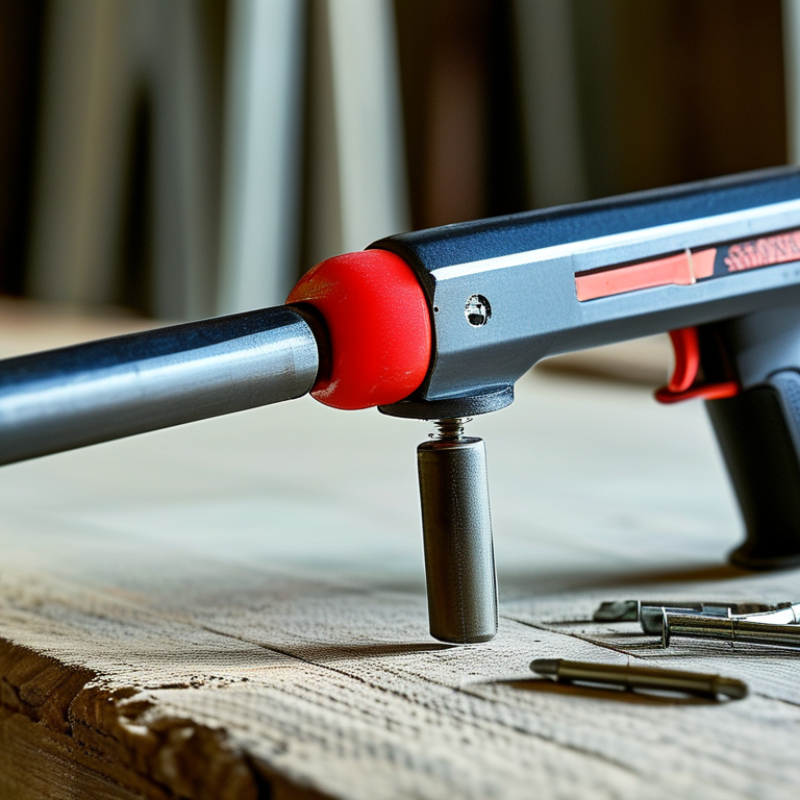
Nail guns come in various types, each suited for specific applications. Understanding these differences is crucial for beginners aiming for safe and effective usage. For instance, pneumatic nail guns use compressed air, making them powerful for heavy-duty tasks. Electrics, conversely, offer portability but might struggle with thicker materials. According to the Occupational Safety and Health Administration (OSHA), improper use of nail guns often leads to injuries. Being aware of the nail gun’s function is vital to minimize risks.
For framing, a framing nail gun is ideal, driving large nails quickly into lumber. In contrast, finish nail guns offer precision for trim work, using smaller nails. The right choice impacts not just the final appearance but also safety. The U.S. Bureau of Labor Statistics reported that nearly 15,000 nail gun-related injuries occur annually, underscoring the need for correct tool selection. Newcomers often overlook how critical it is to match the nail gun type with the project requirements.
Safety features also vary among models. Some nail guns include safety mechanisms to prevent accidental firing. Still, relying solely on these features can be risky. A cautious approach to handling these tools is always necessary. Beginners should practice learning the tools’ nuances before starting any project. Their capacity can be impressive, but they also demand respect.
When using a nail gun, personal protective equipment (PPE) is crucial. Start with safety glasses. They protect your eyes from flying debris. A face shield can also offer additional protection. Both are essential, especially when working in construction areas.
Hearing protection is often overlooked. Nail guns can produce high noise levels. Wear earmuffs or earplugs to protect your hearing over time. Additionally, gloves are a smart choice. They enhance grip and protect your hands from sharp objects. Choose gloves that fit well yet allow freedom of movement.
Safety footwear is another necessary item. Steel-toed boots can safeguard your feet from heavy tools. You may also want to invest in durable work trousers. These can protect your legs from scratches and cuts. Remember, while these items may seem inconvenient, they are vital for your safety. Reflect on your habits. Are you consistently using your PPE? It's easy to skip them occasionally, but the risks are real.
Using a nail gun can be intimidating for beginners. Proper safety measures are crucial. Start by inspecting your workspace. Ensure it is clutter-free and well-lit. Check the nail gun itself for any damage. Look for loose parts or leaks. Taking a moment to do this can prevent accidents later.
Next, always wear protective gear. Safety glasses are essential. They protect your eyes from flying debris. Hearing protection can also be necessary, as nail guns can be loud. Gloves will keep your hands safe, but avoid loose-fitting ones that can get caught. Make sure you understand the nail gun's safety features.
Before using the nail gun, practice on scrap wood. It helps you get used to the tool's weight and trigger sensitivity. Always keep the gun pointed away from yourself and others. Nail guns can misfire. Being mindful of your surroundings is vital. Reflect on your comfort level with the tool. If something feels off, take a step back. Safety should always come first.
| Tip Number | Tip Description | Importance |
|---|---|---|
| 1 | Always wear safety glasses to protect your eyes. | High |
| 2 | Ensure the tool is disconnected when loading nails. | Critical |
| 3 | Read the manufacturer's manual before use. | Essential |
| 4 | Check for obstructions or defects in the nail gun. | Important |
| 5 | Keep your hands and body away from the discharge area. | Very High |
| 6 | Use appropriate personal protective equipment (PPE). | High |
| 7 | Always point the nail gun away from people and animals. | Critical |
| 8 | Be aware of your surroundings and ensure a clear workspace. | Important |
| 9 | Don’t override safety mechanisms on the tool. | Essential |
| 10 | Practice good maintenance and regular inspections of the tool. | Very High |
Using a nail gun can be intimidating for beginners. Proper handling techniques are crucial to avoid accidents. Always wear safety goggles and gloves before beginning any project. This protects your eyes and hands from potential injuries. Ensure the nail gun is pointed away from yourself and others at all times. Even an experienced user can have a slip, so stay vigilant.
Check the power source before use. Make sure it's unplugged when loading nails. A failure to do so can result in misfires. Always keep your fingers away from the trigger until you're ready to shoot. Develop a habit of checking your surrounding area for obstacles and bystanders.
Learning from mistakes is essential. Many beginners forget to secure their work piece. This can lead to kickback and unintended nailing. Practicing on scrap wood can build confidence. It allows users to understand the tool's behavior. Remember, even small oversights can lead to serious injuries. Stay focused and always respect the power of the nail gun.
Proper maintenance is crucial for safe nail gun operation. Regularly inspect your nail gun for any signs of wear and tear. Check the air supply, ensuring it’s clean and free from debris. A clogged air filter can lead to erratic performance. Changing the filter regularly keeps the tool functioning smoothly.
Clean the driver blade frequently. Dust and wood chips can accumulate, risking misfires or jams. A captivated device can cause frustration and potential injuries. Use a soft brush to gently clear debris from vital areas. Make sure the safety features are operational. Periodic tests help ensure reliability during actual use.
Store your nail gun in a dry, clean place. A humid environment can lead to rust and malfunction. Additionally, never leave nails loaded in the gun when not in use. This prevents accidental discharge and helps maintain the tool's lifespan. Even small habits can significantly impact safety and effectiveness. Think about your routine. Are you prioritizing maintenance adequately? Your safety depends on it.
: Ensure your workspace is clutter-free and well-lit. Check for any potential hazards.
Wear safety glasses and gloves. Consider hearing protection due to the noise level.
Practice on scrap wood to familiarize yourself with the tool's weight and trigger sensitivity.
Always keep the gun pointed away from yourself and others. Check your surroundings carefully.
Regular maintenance prevents accidents. Inspections help catch wear and tear early.
Clean the driver blade frequently, as dust buildup can cause jams and misfires.
Take a step back and reassess the situation. Safety must always be prioritized.
No, never leave nails loaded. This helps prevent accidental discharge and increases safety.
Regularly check the air supply and change the filter as needed to maintain performance.
Always check your surroundings and secure your work piece to prevent kickbacks. Reflect on possible oversights.
This article provides invaluable guidance for beginners on how to use a nail gun safely, covering essential aspects of nail gun operation. It begins with an overview of different nail gun types and their specific applications, ensuring users can choose the right tool for their projects. The importance of personal protective equipment (PPE) is emphasized, highlighting what gear is necessary to safeguard against potential hazards.
Additionally, the article outlines a comprehensive safety checklist to follow before using a nail gun, promoting best practices for preparation. Proper handling techniques are discussed to prevent accidents, ensuring that users maintain control and precision during operation. Finally, maintenance tips are provided to ensure the nail gun remains in safe working condition, further enhancing user safety. By following these essential tips, beginners can confidently engage with nail guns while minimizing risks.
