DKS ServiceWorks
Sharpening drill bits is crucial for effective woodworking and metalworking. Knowing how to sharpen drill bits properly can enhance performance and extend tool life. Dull bits can lead to frustration and increased material waste.
Many people overlook the importance of maintaining their tools. A sharp drill bit reduces effort and creates cleaner holes. However, not everyone understands the correct techniques. Improper sharpening can worsen the issue or damage the bit.
This guide aims to offer essential tips on sharpening drill bits effectively. By following these tips, you can improve your skills and ensure your tools are always ready for use. Sharpening your bits might seem daunting, but practice makes perfect. With attention to detail, you’ll soon become proficient and confident in your ability to sharpen drill bits properly.
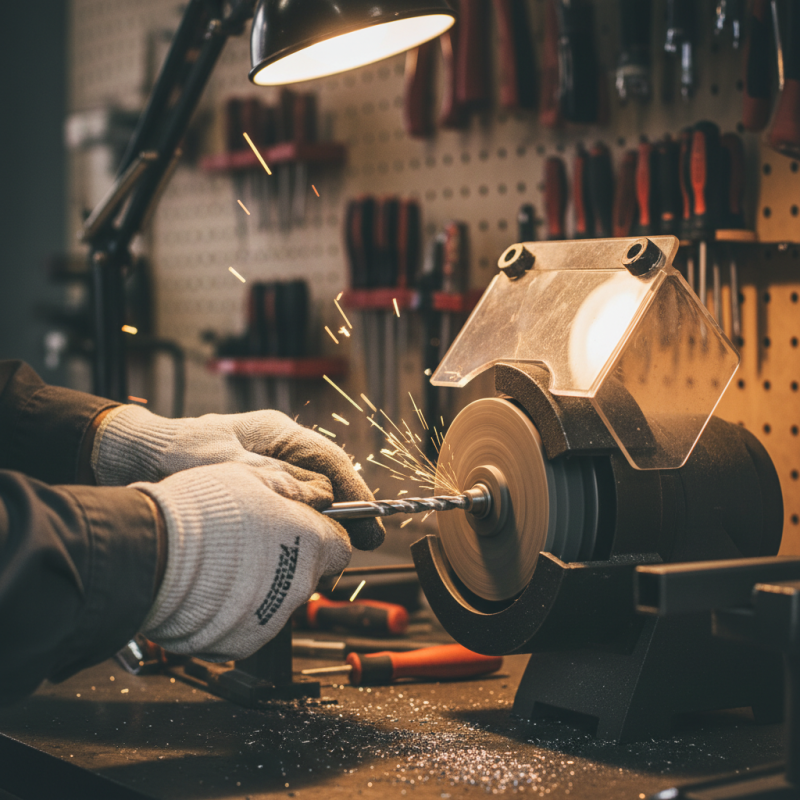
When sharpening drill bits, it's crucial to understand the various types available. Each drill bit has its unique features and requires specific sharpening techniques. Twist bits are the most common. Their pointed tip and spiral flutes help create chips efficiently. To sharpen these, maintain the correct angle for the cutting edge. A 118-degree angle is standard for general use.
Spade bits, designed for larger holes, have a flat blade. While they are easier to sharpen, precision is vital. Use a file to smooth the flat edges, ensuring a sharp leading edge. Then, re-establish the angle on the spur side. For masonry bits, which primarily drill into hard materials, ensure that you only sharpen the carbide tip. They need a diamond sharpening tool to maintain durability.
While many efforts can lead to improved tool performance, mistakes in sharpening can occur. Overheating a bit can change its structure, resulting in brittleness. It's key to frequently check the bit and avoid excessive pressure during the sharpening process. This attention to detail can make a significant difference in your projects.
| Tip Number | Tip Description | Suitable Drill Bits | Sharpening Method |
|---|---|---|---|
| 1 | Use the right angle for sharpening | Twist bits | Bench grinder |
| 2 | Maintain a steady hand | Flat bits | Hand files |
| 3 | Use appropriate sharpening tools | Metal drill bits | Drill bit sharpeners |
| 4 | Keep the cutting edge cool | High-speed steel bits | Water cooling |
| 5 | Check for wear and tear | All types | Visual inspection |
| 6 | Focus on the point angle | Brad point bits | Grinding wheel |
| 7 | Sharp both edges equally | Twist and step bits | Angle grinder |
| 8 | Test the bit after sharpening | All types | Drilling test |
| 9 | Use proper technique for grinding | All types | Professional grinder |
| 10 | Regular maintenance of bits | All types | Cleaning and storage |
When sharpening drill bits, the right tools are crucial for success. A bench grinder is often the first choice for many professionals. It offers precision and control, allowing for an even sharpening angle. A high-speed steel (HSS) drill can benefit from a slower speed for better cutting edge retention. According to industry reports, well-sharpened bits can improve drilling efficiency by up to 30%.
A drill bit sharpening guide helps maintain the correct angle. This tool ensures consistent results and prevents over-sharpening. It's vital to check the drill's size before sharpening. Using a flat stone can provide an alternative method, particularly for those without a grinder. Small inconsistencies in angle can lead to performance issues, making this aspect essential.
Safety should never be overlooked. Always wear protective eyewear when sharpening bits. Although it might seem tedious, ensuring proper sharpening will save time and resources in the long run. Maintaining sharp bits is often neglected, leading to frustration and wasted effort. Ensuring the right tools and following best practices will enhance your work significantly.
Sharpening twist drill bits requires precision and technique. Begin by assessing the bit's current state. A worn bit may have noticeable dullness or uneven cutting edges. According to the Society of Manufacturing Engineers, dull drill bits can reduce drilling efficiency by up to 50%. This inefficiency often leads to frustration and wasted materials.
To sharpen a twist drill bit effectively, use a bench grinder or a specialized sharpening tool. Set the tool rest at a 118-degree angle, the standard for most twist bits. Hold the bit steadily against the grinding wheel. Ensure to maintain a consistent angle as you move the bit. This consistency is vital for achieving a sharp edge. Check the bit after each pass for evenness. An uneven edge can lead to wobbling during use and further degradation of the bit.
After sharpening, test the bit on scrap material. If it struggles to cut through, reassess the edge and adjust your sharpening technique. According to a report from the American National Standards Institute, sharp tools can improve work safety by up to 30%. Maintaining tool sharpness is not only vital for performance but also crucial for safety in the workspace. Regular practice and attention to detail are essential for mastering this skill.
Sharpening drill bits can be tricky. Many people make common mistakes that lead to ineffective sharpening. One frequent error is not maintaining the correct angle. The ideal sharpening angle for most drill bits is between 118 and 135 degrees. This precision is crucial for optimal performance and longevity. A study from the Precision Tool Institute indicates that properly sharpened bits can enhance drilling efficiency by up to 30%.
Another mistake is ignoring the bit’s geometry. Each type of bit has specific design features influencing its cutting action. Dull bits can produce excessive heat, causing wear and ultimately damaging the bit. According to research from the American Manufacturing Association, over 40% of tools fail prematurely due to improper maintenance techniques. Regularly checking for chipping or distortion can save both time and costs.
Additionally, the choice of sharpening method plays a significant role. Some prefer bench grinders, while others may use specialized drill bit sharpeners. Using a method unsuitable for the bit’s material can lead to inconsistent results. When velocities are too high, you risk overheating the bit. A cautious approach with frequent cooling breaks is advisable. These reflections can lead to a more effective sharpening process. Balancing skill with attention to detail is key in ensuring your drill bits perform at their best.
After sharpening drill bits, proper maintenance is crucial for their longevity and performance. According to industry reports, nearly 30% of tool failure is linked to inadequate maintenance practices. It’s vital to clean drill bits after each use. Residue and shavings can alter precision and lead to premature wear. Use a brush or compressed air to remove debris.
Storing sharpened bits properly is equally important. A storage solution that prevents contact with hard surfaces protects the cutting edges. Research shows that bits stored improperly can lose sharpness up to 40% faster. Consider using a dedicated organizer to keep your bits secure. Regular inspection is also essential. Look for signs of wear or chipping. Addressing these issues early can prevent further damage.
Maintaining the right environment for your drill bits is key. Humidity or extreme temperatures can affect their integrity. A garage or workshop should be climate controlled. Finally, it’s worth noting that even the best-maintained bits will need replacing eventually. Keeping a close eye on performance will ensure you always work with the best tools at hand.
: A bench grinder is a popular choice. A drill bit sharpening guide also helps maintain the correct angle.
Well-sharpened bits can improve efficiency by up to 30%. Dull bits may reduce efficiency by about 50%.
The standard angle is 118 degrees for most twist bits. Consistency in this angle is crucial.
Test it on scrap material. If it struggles, re-evaluate the edge and adjust your technique.
Not maintaining the correct angle can impair performance. Ignoring bit geometry leads to quicker wear.
Wearing protective eyewear is crucial. Sharp tools reduce work-related injuries by improving safety.
High speeds can overheat the bit, causing damage. Take frequent cooling breaks to avoid this issue.
Regularly inspect for chipping or distortion. Neglect can lead to premature failure of over 40% of tools.
Yes, a flat stone is an alternative if a grinder isn’t available. Just maintain the correct angle.
Improper sharpening can lead to frustration and wasted materials. Take time to ensure proper technique.
When learning how to sharpen drill bits properly, it's crucial to grasp the various types of drill bits, as each requires a unique sharpening technique. Familiarizing oneself with essential tools such as sharpening jigs, grinders, and files is also paramount to achieve the best results. This article provides a detailed step-by-step guide specifically focused on twist drill bits, outlining techniques to ensure precise angles and effective cutting edges.
Furthermore, it highlights common mistakes to avoid during the sharpening process, which can lead to ineffective bits or damage. Finally, maintaining drill bits after sharpening is essential for maximizing their lifespan and performance, ensuring that they remain in optimal working condition for future projects. Following these tips will help both novice and experienced users enhance their drill bits' effectiveness and longevity.
