DKS ServiceWorks
If you want to know how to extend the life of drill bits, expert John Anderson, a seasoned tool engineer, offers valuable insights. He states, "Proper maintenance can significantly enhance a drill bit's lifespan." This highlights the importance of care in tool management.
Drill bits are essential for many projects. Over time, however, they wear out quickly without proper attention. Regular maintenance practices can prevent unnecessary replacements. This not only saves money but also ensures efficiency in your work.
Understanding the factors that lead to drill bit wear is key. The right technique, material selection, and cutting speeds can make a huge difference. Explore these tips to keep your drill bits in top shape and improve your overall productivity.
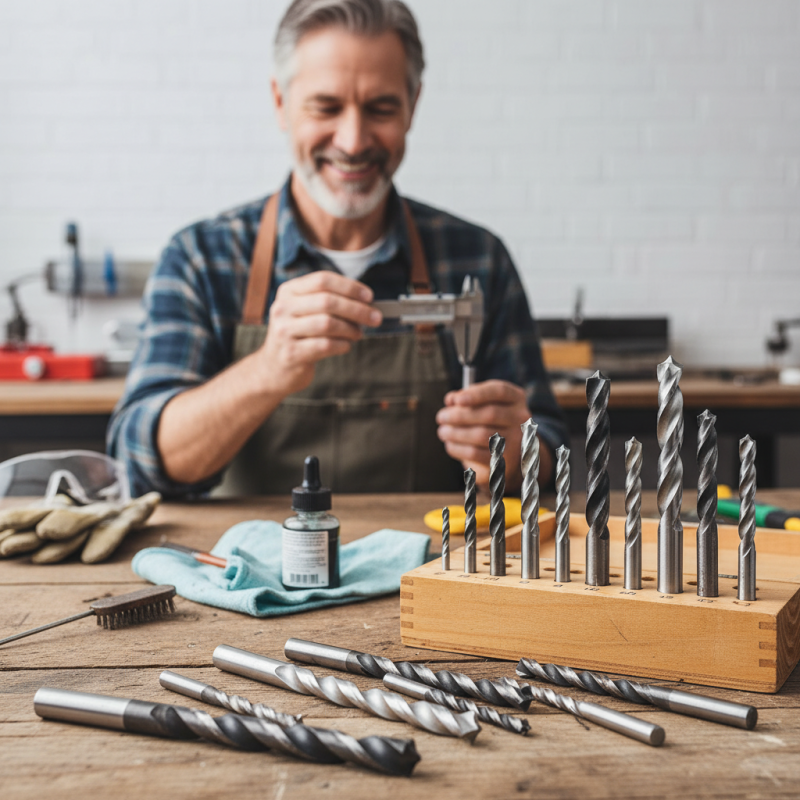
Understanding drill bit materials is crucial for extending their lifespan. High-speed steel (HSS) bits are popular due to their cost-effectiveness. They can withstand heat but wear out faster than carbide bits. According to the American National Standards Institute, about 70% of drill bits fail due to improper use rather than material limitations. This suggests that while material matters, technique is also key.
Carbide drill bits outperform HSS in durability. They resist wear better and are suitable for tougher materials like steel or masonry. A report from the National Institute of Standards and Technology indicates that carbide bits last up to four times longer than HSS bits under similar conditions. However, they may be more brittle and prone to chipping if misused. Users must balance these properties to optimize performance.
Remember, proper maintenance plays a role in longevity. Regularly resharpening bits improves efficiency. Proper feeding rates and speed can mitigate excessive wear. It’s easy to overlook these factors, yet they are pivotal. Evidence shows that many users neglect maintenance, leading to premature failure. Reflecting on these aspects can enhance your drill bit experience significantly.
When it comes to extending the life of your drill bits, understanding the proper cutting speed is crucial. The revolutions per minute (RPM) you choose greatly affect how efficiently a drill bit performs. Using the correct RPM can prevent overheating and ensure consistent cutting. Too high an RPM may lead to rapid wear. Too low an RPM might cause the bit to bind and stall.
Drill bits operate best within specific speed ranges based on the material being drilled. For softer materials, higher speeds often yield better results. Harder materials require slower speeds to avoid damage. It's essential to match the RPM with the bit and material type. Regularly reviewing and adjusting your speeds is important. This approach requires practice and attention to detail.
Consider the signs of wear on your drill bits. If you notice dullness or chipping, it may be time to reassess your RPM settings. Experimenting with different speeds can lead to significant improvements in performance and longevity. Your experience will shape your understanding of these variables. Don't underestimate the impact of cutting speed on drill bit lifespan.
Proper lubrication is crucial for extending the lifespan of your drill bits. When operating, friction generates heat, potentially damaging the bit. Lubrication effectively minimizes friction, allowing for smoother operation and cooler drilling temperatures. With the right lubricant, you can protect your tools and improve overall performance.
Here are a couple of tips to ensure your drill bits last longer. First, use the appropriate lubricant for the material you’re drilling. Different materials have varying requirements. For metal, a cutting oil or wax may work best. For wood, water can be sufficient, but remember, it’s not perfect. Always check compatibility.
Another tip is to regularly clean the drill bits. Build-up can affect performance and lead to premature wear. Use a brush to remove debris and ensure a clear path. Regular maintenance will go a long way in preserving their life. These practices may seem simple but can yield significant benefits. Don't overlook them.
Drill bits are essential tools in various industries, and their longevity can significantly impact overall productivity. Regular maintenance is key to maximizing their lifespan. According to a report from the National Tooling and Machining Association, properly maintained drill bits can last up to 40% longer than those that are neglected. This emphasizes the importance of sharpening techniques in ensuring optimal performance.
Sharpening drill bits involves using specialized equipment that can restore their edges to a precise angle. The best sharpening angles depend on the material you are drilling. For example, high-speed steel bits benefit from a 118-degree point, while those designed for harder materials may require angles closer to 135 degrees. Regularly inspecting drill bits for signs of wear can also prevent costly downtime. However, it's easy to overlook even minor damage, leading to longer drilling times and poor quality holes.
Poor performance can stem from improper sharpening methods or outdated equipment. A study by the Manufacturing Institute highlighted that companies using outdated tools reported a 30% decrease in efficiency. A commitment to continuous improvement is essential. Maintenance is not merely about avoiding failure; it’s about achieving precision and productivity. Regular training on sharpening skills can make a difference. Ultimately, a strategy that includes consistent care can yield a better bottom line.
When it comes to storage solutions for drill bits, choosing the right environment is essential. Humidity is a primary enemy of your tools. A damp place can lead to rust, reducing their lifespan. Instead, consider using a climate-controlled area. A dedicated toolbox with a moisture-absorbing agent can offer added protection.
Using protective cases is another practical approach. Drill bits can easily become dull when they bump against hard surfaces. Think about adding dividers or foam inserts to prevent movement. This simple step reduces wear and tear during storage. Additionally, regular cleaning after use is crucial. A quick wipe can remove debris and oils that attract moisture.
Sometimes, you might realize that neglecting storage leads to damage. Tools can corrode faster than expected. Reflections on these moments remind us of the importance of diligent care. Even minor oversights can lead to significant setbacks. Staying proactive about storage choices will not only extend the life of your drill bits but also enhance your overall drilling experience.
| Tip No. | Tip | Description |
|---|---|---|
| 1 | Proper Storage | Store drill bits in a dry, clean area to prevent rust and damage. |
| 2 | Use Correct Technique | Avoid excess pressure and use the right speed for the material. |
| 3 | Regular Cleaning | Clean bits regularly to remove debris and prevent buildup. |
| 4 | Correct Lubrication | Use appropriate lubricants to reduce friction during use. |
| 5 | Inspect Regularly | Check for damage or wear each time before use. |
| 6 | Avoid Overheating | Monitor temperature during drilling and take breaks if necessary. |
| 7 | Use the Right Bit | Select the appropriate bit for the project material. |
| 8 | Use Bushing and Guides | Employ bushings and guides to minimize wobble and misalignment. |
| 9 | Protect from Moisture | Avoid exposing tools to humidity and water. |
| 10 | Sharpen When Necessary | Regularly sharpen bits to maintain optimal performance. |
: Lubrication reduces friction and heat, which helps extend the lifespan of drill bits.
Choose a lubricant based on the material you are drilling. Compatibility is key.
Regularly inspect them and sharpen as necessary. This can prevent inefficient drilling.
Clean drill bits after each use to remove debris. This maintains their performance.
A 118-degree angle is good for high-speed steel bits. Harder materials may need 135 degrees.
Yes, poorly maintained bits can lead to longer drilling times and lower quality holes.
Overlooking minor damage or using improper sharpening methods can lead to poor performance.
Maintenance isn't difficult, but consistency is often lacking. Simple tasks yield great benefits.
Using outdated tools can decrease efficiency by up to 30%. Regular upgrades are necessary.
Regular training improves sharpening skills, which is crucial for performance and precision.
To extend the life of drill bits, it is crucial to understand the materials used in their construction and how they affect durability. Choosing the right drill bit material can significantly influence longevity, as some materials are better suited for specific tasks. Additionally, maintaining the appropriate cutting speed is essential, as the revolutions per minute (RPM) can greatly impact the lifespan of drill bits.
Lubrication plays a vital role in reducing friction, which in turn minimizes wear and extends tool life. Regular maintenance, including sharpening techniques, ensures optimal performance and efficiency. Finally, proper storage solutions are necessary to prevent damage and corrosion, safeguarding your equipment for future use. By following these strategies, you can effectively learn how to extend the life of drill bits and improve your drilling efficiency.
