DKS ServiceWorks DKS ServiceWorks

How to Identify Signs of Worn Out Drill Bits?

Time:2026-06-07 Author:Amelia
0%

Drill bits are essential tools in various industries, from construction to manufacturing. Understanding how to identify signs of worn out drill bits can greatly enhance efficiency and safety. Research indicates that around 20% of drilling failures stem from using dull or damaged bits, often leading to project delays and increased costs.

What are the signs of worn out drill bits? Look for indicators such as excessive heat, visible wear on the cutting edges, and unusual noises during operation. These signs not only compromise the quality of work but may also pose safety risks to workers. According to industry reports, using worn drill bits can reduce drilling accuracy by up to 30%, resulting in poor outcomes.

Regular maintenance and inspection are key. Professionals should routinely assess their tools. Ignoring these signs can lead to unnecessary expenses and potential hazards. Investing in quality drill bits is essential, and understanding their condition is part of responsible craftsmanship. Awareness of these factors contributes to a safer, more productive work environment.
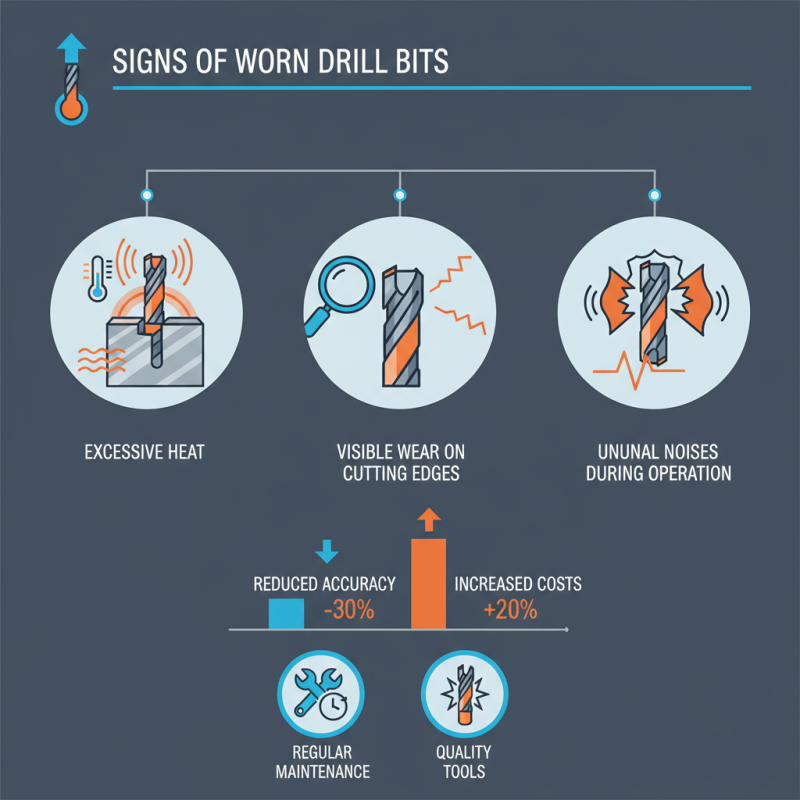
How to Identify Signs of Worn Out Drill Bits?

Understanding the Importance of Drill Bit Maintenance

Drill bit maintenance is often overlooked, yet it is critical for effective work. Worn out drill bits can lead to poor craftsmanship. When bits lose their sharpness, they require excessive pressure, causing operator fatigue. Moreover, using dull bits can ruin materials and lead to inaccurate holes. Identifying signs of wear early can save time and resources.

Regular inspection is key to maintenance. Look for visible wear, such as rounded tips or chipped edges. If the bit struggles to penetrate materials, it is likely time for replacement. Additionally, cleaning bits after each use extends their lifespan. Accumulated debris can hinder performance and affect drilling precision. Proper storage also matters; keep bits in a dry, organized space to prevent damage.

Ignoring maintenance can result in frustration and inefficiency. It is easy to underestimate the impact of a sharp bit. The difference between a sharp and dull drill bit is profound. Reflecting on experiences may reveal instances where good maintenance practices led to better outcomes. Maintaining tools is an investment in quality work. Adopting these habits can lead to improved results for any DIY enthusiast or professional.

Key Indicators of Drill Bit Wear and Tear

When using drill bits, it's important to recognize signs of wear and tear. This ensures safety and efficiency during projects. A major indicator is the presence of chipping or dull edges on the bit. Inspect the cutting surface closely. A clean, sharp bit should have a smooth edge.

Another sign of wear is excessive heat generation. If the bit becomes overly hot during drilling, it may indicate deterioration. This heat can lead to poor performance and even damage to the workpiece. Additionally, check for irregular drilling patterns. If the bit struggles to penetrate or creates uneven holes, it likely needs replacement.

Lastly, listen for changes in the sound. A worn-out bit may produce a high-pitched or inconsistent noise. This can signal that it's not functioning properly. Regular inspection and awareness of these indicators can help maintain the longevity of your tools. Ignoring these signs can result in poor work quality and unexpected setbacks.

How to Identify Signs of Worn Out Drill Bits? - Key Indicators of Drill Bit Wear and Tear

Indicator Description Impact
Visible Wear Obvious signs of wear like chipping or dull edges Reduced cutting efficiency and precision
Increased Friction Excessive heat generated while drilling Potential damage to the material and drill bit
Poor Performance Difficulty in penetrating materials Increased time and labor cost
Burning Smell Unpleasant odor when drilling Indicates overheating and possibly damage
Surface Finish Rough or uneven surface finish of drilled holes Poor quality of work and potential rework

Visual Inspection Techniques for Worn Drill Bits

When it comes to drill bits, visual inspection plays a crucial role in identifying wear. A worn-out drill bit can lead to poor performance and costly downtime. Industry studies suggest that nearly 30% of drilling failures are due to bit wear. Therefore, regular inspections are essential.

Look for signs of wear that can easily go unnoticed. Check the drill flutes for nicks or chips. These can affect cutting precision. Discoloration on the tip may indicate overheating, which is another red flag. A dull cutting edge can also lead to inefficient drilling, prolonging the task and increasing wear on the machinery.

Lastly, consider the overall geometry of the bit. If the bit looks unbalanced or out of shape, it may be time for a replacement. Maintaining sharp, undamaged drill bits is not just a best practice; it’s a necessity in ensuring effective drilling. Relying solely on usage until failure can be a costly mistake, underscoring the importance of periodic inspections. Regular visual checks will help extend the lifespan of your drill bits and enhance productivity.

Performance Changes Associated with Dull Drill Bits

Worn out drill bits show several performance changes. A noticeable sign is the struggle to maintain speed. When a bit is dull, it requires more effort to drill into materials. This not only affects time but also increases user fatigue.

Another clear indicator is the quality of the holes. Dull bits create uneven holes and rough edges. The finish often appears jagged. This can lead to extra work on projects, requiring re-drilling or filing. It’s frustrating when a simple task turns into a hassle.

Pay attention to noise as well. A worn bit may emit higher-pitched sounds. This can signal excess friction. Overheating can also occur, damaging both the bit and the material. Regular monitoring can help prevent these issues. Reflecting on these signs can save time and resources. Ignoring performance changes might lead to costly mistakes.

Preventive Measures to Extend Drill Bit Lifespan

Drill bits are essential tools in various industries, and their maintenance is crucial for efficiency. There are simple preventive measures to extend the lifespan of drill bits. Proper care can significantly reduce costs and improve productivity.

One effective tip is to keep drill bits clean and sharp. Debris or residue can accumulate and affect performance. Regular cleaning after each use prevents wear and extends the bit's effectiveness. Additionally, consider using a suitable lubricant when operating drill bits. Lubrication reduces friction and heat, which can lead to premature wear.

Monitor your drilling speed and pressure. Using excessive force can damage the bit and the material being drilled. Adjusting your technique can prevent unnecessary stress on the drill. Finally, invest in a storage solution that protects your bits from impact and moisture. A well-organized toolbox keeps drill bits in optimal condition.

Reflection is essential. A worn-out drill bit may indicate the need for reevaluation of your techniques and maintenance routines. Regularly inspecting your tools helps identify subtle signs of wear before they become significant issues. Prioritizing the health of your drill bits ensures long-lasting performance.

Signs of Worn Out Drill Bits and Preventive Measures

This bar chart illustrates the common signs of worn out drill bits along with the corresponding preventive measures to extend their lifespan. By monitoring these signs, you can improve the efficiency and longevity of your drilling tools.

FAQS

: What are signs of a dull drill bit?

: Dull bits struggle to maintain speed and create rough holes.

How can dull bits affect work?

They may require extra effort and lead to user fatigue. This can frustrate simple tasks.

What noise indicates a worn bit?

A higher-pitched sound can signal excess friction and potential overheating.

How can I prolong the life of my drill bits?

Keep bits clean and sharp. Regularly clean them after use.

Is lubrication important for drill bits?

Yes, it reduces friction and heat, preventing premature wear.

How can drilling technique impact bit lifespan?

Using excessive force can damage bits. Adjusting pressure is essential.

Should I invest in storage solutions for drill bits?

Yes, proper storage prevents moisture and impact damage.

Why is reflection on drill bit maintenance important?

It helps identify when techniques or routines need reevaluation.

What happens if I ignore drill bit performance changes?

Ignoring issues may lead to costly mistakes and further damage.

Can regular inspections help with drill bits?

Yes, they can identify wear early before significant problems occur.

Conclusion

Identifying worn out drill bits is essential for maintaining efficiency and safety during drilling operations. Understanding the importance of drill bit maintenance can help prevent costly delays and ensure optimal performance. Key indicators of drill bit wear and tear include visual signs such as chipping, dull edges, and unusual wear patterns. Techniques for visual inspection can reveal whether a drill bit has reached its limit, allowing for timely replacements.

Performance changes associated with dull drill bits can manifest as increased drilling time, excessive heat generation, or difficulty in penetrating materials. Recognizing what are the signs of worn out drill bits is crucial for operators to address issues promptly. Implementing preventive measures, such as proper storage, regular maintenance, and selecting the appropriate bit for the task, can significantly extend the lifespan of drill bits and enhance overall performance in various drilling applications.

Amelia

Amelia

Amelia is a seasoned marketing professional with a wealth of expertise in our company’s core offerings. With an unwavering passion for driving growth and innovation, she plays a pivotal role in shaping our marketing strategies and enhancing brand visibility. A key aspect of her responsibilities......