DKS ServiceWorks DKS ServiceWorks

Top 10 Ways to Improve Accuracy When Drilling Holes

Time:2026-06-01 Author:Mason
0%

When it comes to drilling holes, accuracy is key for ensuring quality work. According to expert Mark Thompson, “Precision in drilling can make or break your project.” His insights remind us that employing effective techniques can significantly enhance our outcomes.

Understanding how to improve accuracy when drilling holes requires a mix of right tools and proper technique. Mistakes during drilling can lead to misaligned holes, wasted materials, and frustration. To avoid this, one should focus on preparing the workspace and the drilling equipment meticulously.

Moreover, beginners might underestimate the importance of measurements. Using a quality measuring tape and marking clearly can prevent costly errors. Reflecting on these points can lead to improved craftsmanship. Embracing best practices and learning from missteps is essential for better precision in drilling tasks.
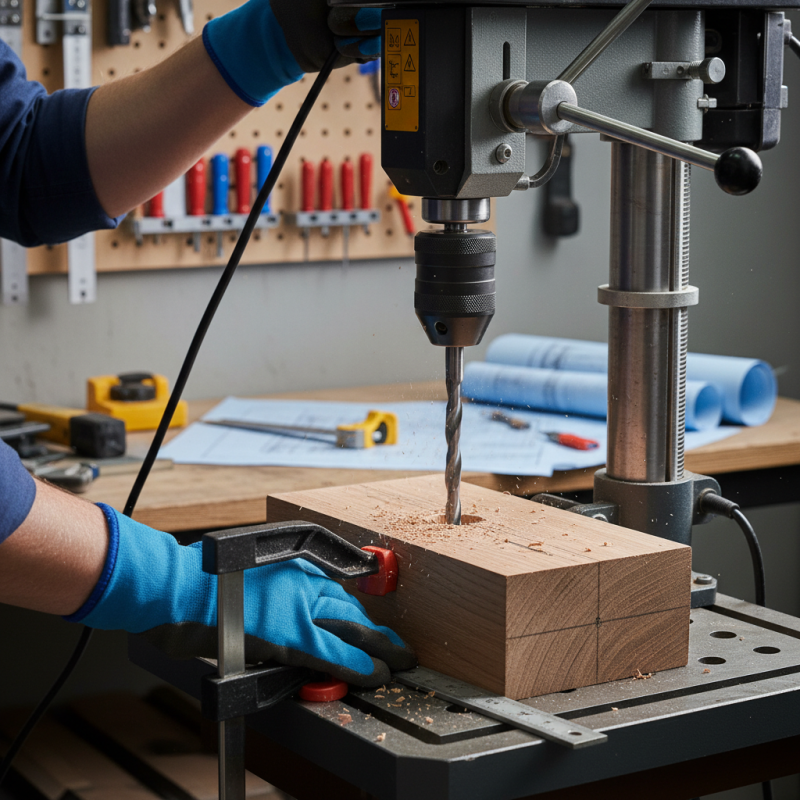
Top 10 Ways to Improve Accuracy When Drilling Holes

Choosing the Right Drill Bit for the Material

Choosing the right drill bit is crucial for accuracy when drilling holes. Different materials require specific bits. For hardwood, a spade bit provides clean, precise holes. In contrast, metal requires a high-speed steel (HSS) bit. These bits can withstand high temperatures and prevent wear. Using the wrong type can lead to jagged edges and damaged materials.

It's essential to consider the drill bit's size as well. A bit that is too small will undercut the material, while too large can create oversized holes. Misalignment during drilling is another common mistake. Many people overlook the need for a steady hand or a guide. A simple clamp or jig can significantly enhance precision. Remember, practice makes perfect. Mistakes can teach valuable lessons and improve technique over time.

Using a Center Punch to Ensure Accurate Placement

Using a center punch can significantly enhance the accuracy of your drilling projects. This simple tool creates a small indent on the surface, providing a clear starting point for the drill bit. Without this mark, the drill can easily slip, leading to misaligned holes. The center punch acts as a guide, minimizing errors.

When using a center punch, ensure you apply enough force for a noticeable dent. Too little force might result in a shallow mark that can still cause the bit to wander. Positioning the punch correctly is crucial; a slight misalignment can ruin the accuracy of your hole placement. It's worth practicing on scrap material before working on your main project.

In many cases, users overlook the importance of this step. They dive straight into drilling, only to face frustrating results. Taking the time to use a center punch can save you from having to fill mistakes later. It’s a small step that can lead to significant improvements in your work quality. Consider it an essential part of your drilling process.

Measuring and Marking the Drill Points Precisely

When drilling holes, accurate measuring and marking are crucial for achieving precision. According to industry studies, 30% of drilling errors stem from improper marking techniques. Without accurate markings, misalignment can occur, creating costly mistakes. Many professionals recommend using a sharp pencil or fine-tip marker to ensure visibility. This method supports clearer markings, reducing confusion during drilling.

Effective measurement tools also play a significant role. Laser levels and digital calipers can enhance accuracy by providing precise measurements. A survey showed that using advanced measuring tools decreased error rates by 40%. However, many users overlook the wear and tear on these tools, affecting their performance. Regular calibration and maintenance are essential for reliability.

In practice, a common mistake is rushing the marking process. Pressure to complete tasks can lead to hasty markings. This rush often results in misaligned holes and wasted materials. Taking a moment to double-check measurements can prevent these pitfalls. Imperfections are a part of the learning process. Reflecting on past errors can lead to improved techniques in future projects.

Top 10 Ways to Improve Accuracy When Drilling Holes

Maintaining a Consistent Drill Speed and Pressure

Maintaining a consistent drill speed and pressure is vital for accuracy when drilling holes. This practice helps ensure the drill bit makes even contact with the material. A steady speed minimizes vibrations. It also reduces the chance of drift, which can lead to inaccurate holes. Experimenting with different speeds can reveal the optimal rate for your specific material. Too fast often causes overheating, while too slow can lead to excessive wear on the bit.

Pressure plays a crucial role as well. Applying too much force can break the drill bit. However, not enough pressure may result in a wobbly hole. Aim for balanced pressure while you drill. You can test this by drilling into scrap material first. Feel for feedback from the drill; it should glide smoothly without excessive resistance.

Monitor your technique regularly. Reflecting on past drilling experiences can provide insight. Don't hesitate to adjust your technique as needed. Seek feedback from peers or mentors. Their perspectives can foster improvement. Consistency is key, but remember it’s okay to learn from mistakes.

Utilizing a Drill Guide for Enhanced Stability

When drilling holes, stability is crucial. A drill guide can provide that stability. It ensures the drill stays aligned, resulting in cleaner, more precise holes. Many people attempt to drill freehand. This often leads to mistakes, like angled holes or uneven depths. A drill guide minimizes these risks.

Using a drill guide is straightforward. Position it where you want to drill. Secure it tightly, and then insert your drill bit. This method keeps the drill steady. It allows for better control and precision. However, some users may notice minor misalignment even with a guide. Adjusting the guide may take a few tries.

Drill guides come in various designs. Some are adjustable, which enables you to set different angles. Others may be more rigid, meant for straightforward vertical drilling. Experimenting with different types can help improve your accuracy. Every project may demand a unique approach. Remember, practice is essential when using any tool. Mistakes are part of the learning process.

FAQS

: Why is choosing the right drill bit important?

: The right drill bit ensures accuracy and prevents damage to materials.

What type of drill bit is best for hardwood?

A spade bit is ideal for clean and precise holes in hardwood.

What drill bit should I use for metal?

A high-speed steel (HSS) bit can withstand high temperatures and wear for metal drilling.

How does drill bit size affect the outcome?

A bit too small undercuts material, while too large creates oversized holes.

What can help enhance drilling precision?

Using a clamp or jig can provide stability and improve alignment during drilling.

How can I mark drilling points accurately?

Use a sharp pencil or fine-tip marker for clear markings and avoid confusion.

What tools can improve measurement accuracy?

Laser levels and digital calipers offer precise measurements and decrease error rates.

Why is regular tool maintenance important?

Regular calibration prevents wear and tear, ensuring tools perform reliably over time.

What common mistake do people make when marking points?

Rushing the marking process often leads to misalignment and wasted materials.

How can I learn from drilling mistakes?

Reflecting on errors helps improve future techniques. Mistakes are part of the process.

Conclusion

When considering how to improve accuracy when drilling holes, it’s essential to start with the correct drill bit tailored to the material being worked with. A suitable bit not only enhances precision but also prolongs the tool's life. To further ensure accuracy, using a center punch before drilling can help mark the exact spot and prevent the drill bit from wandering.

Measuring and marking the drill points meticulously is also crucial, as it sets the foundation for precise drilling. Maintaining a consistent drill speed and pressure allows for better control, minimizing the risk of errors. Finally, using a drill guide can provide enhanced stability during the drilling process, significantly improving the overall accuracy of your work. Each of these techniques plays a vital role in achieving superior results when drilling holes.

Mason

Mason

Mason is a seasoned marketing professional with a deep expertise in the company's offerings and a passion for driving brand awareness. With a strong background in digital marketing strategies, he has an innate ability to connect with diverse audiences and effectively communicate product benefits.......