 DKS ServiceWorks
DKS ServiceWorks
DKS ServiceWorks
Choosing the right chisel for woodworking can be daunting. The variety of options may confuse both beginners and seasoned woodworkers. Understanding how to select the correct chisel for woodworking is crucial for achieving precision and efficiency in your projects.
Every chisel serves a unique purpose. From paring to mortising, each type offers specific benefits. You might think a single chisel is enough, but that often leads to frustration. It's easy to overlook details like the blade material or handle comfort. The wrong choice can impact your work negatively.
Evaluate your woodworking needs carefully. Do you often create fine details or rough edges? Each task requires a different approach. Remember, the perfect chisel brings pleasure as you carve. Yet, mistakes can lead to wasted wood and time. Learning through experience helps refine your selection process. Embrace the journey; it can lead to satisfaction and skill enhancement.
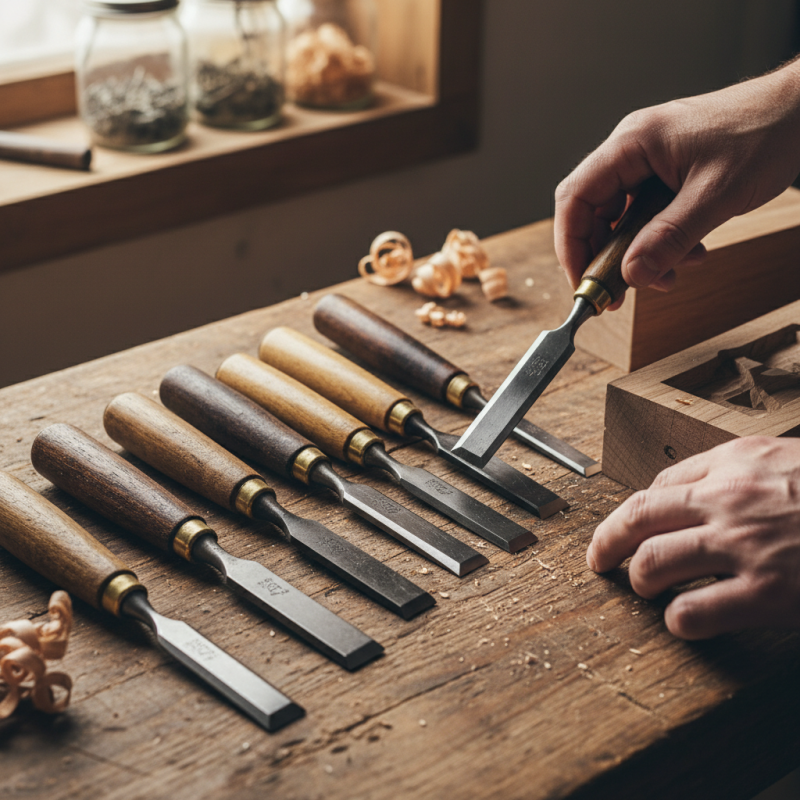
When selecting woodworking chisels, understanding their types is crucial. Chisels come in various forms, each serving a unique purpose. The common types include bench chisels, mortise chisels, and paring chisels. Bench chisels are versatile hand tools ideal for general tasks. They excel at trimming and shaping wood joints. Mortise chisels, on the other hand, are robust and designed for cutting precise, deep holes. They work well in joinery where strong joints are required.
According to the Woodworkers Guild of America, paring chisels are specifically meant for delicate work. Their long, thin blades allow for fine shavings and precise control. Choose paring chisels if subtle adjustments are frequent in your projects. Interestingly, many woodworkers overlook the importance of maintaining their chisels. Regular sharpening and proper storage can significantly extend a chisel’s lifespan. Research indicates that well-maintained tools can enhance overall project quality and accuracy.
The size and material of chisels also matter. Woodworkers should consider selecting chisels made from high-carbon steel for durability. These materials provide a sharper edge but require more maintenance. Each type serves its purpose, but the choice depends on your specific woodworking needs. Evaluate how often you use each type and determine if buying a multipack or individual chisels is wiser for your workshop. Balancing your collection thoughtfully can improve your craftsmanship dramatically.
: Common types include bench chisels, mortise chisels, and paring chisels. Each serves a specific purpose in woodworking.
Bench chisels are ideal for general tasks like trimming and shaping wood joints. They are handy for various projects.
Mortise chisels cut precise, deep holes. They are essential for strong joints in joinery applications.
Paring chisels allow for fine, delicate work. Their long, thin blades enable precise control and subtle adjustments.
Regular sharpening and proper storage can extend a chisel’s lifespan. Clean tools often reduce wear and tear.
High-carbon steel offers durability and sharpness but may require more maintenance. Consider your working environment when choosing.
A balance is needed. Small chisels allow control for detailed work, while larger chisels are better for removing material quickly.
Hardwoods need stronger chisels, while softer woods can be worked on with finer tools. Evaluate your wood carefully.
Yes, testing different sizes may reveal the best fit for your project. Reassessing your choices during work is beneficial.
High-humidity environments can rust high-carbon steel. Consider local conditions when selecting and maintaining your chisels.
Selecting the right chisel for woodworking is essential for achieving precision and efficiency in your projects. To understand how to select the correct chisel for woodworking, it's important to recognize the various types of chisels available, such as bench chisels, paring chisels, and mortise chisels, each serving unique purposes. Additionally, consider factors like the handle materials and design for comfort during extended use, as well as the blade materials that ensure durability and ease of maintenance.
Furthermore, the right chisel size is crucial; it should match the scale and requirements of your specific tasks. By carefully evaluating these aspects, you can make an informed decision and select a chisel that not only suits your immediate needs but also enhances your overall woodworking experience.
