DKS ServiceWorks
Sharpening drill bits properly is a crucial skill in the tool and manufacturing industry. Research indicates that dull bits can reduce drilling efficiency by up to 50%. When learning how to sharpen drill bits properly, understanding the techniques and tools involved is essential. The right sharpening method can extend the life of your bits and enhance performance, saving both time and money.
Moreover, industry reports show that maintaining sharp drill bits can improve precision and decrease the risk of material damage. However, many individuals overlook this process. It may seem tedious at times, but investing effort into proper sharpening is invaluable. Additionally, improper sharpening might lead to wastage of resources and even safety hazards.
There are various methods available, but not all are equally effective. A one-size-fits-all approach may lead to frustration and poor results. Exploring the top ways to sharpen drill bits properly can help in avoiding common pitfalls, ensuring that tools are always ready for work. The importance of mastering this skill cannot be overstated, as it directly impacts productivity and overall project success.
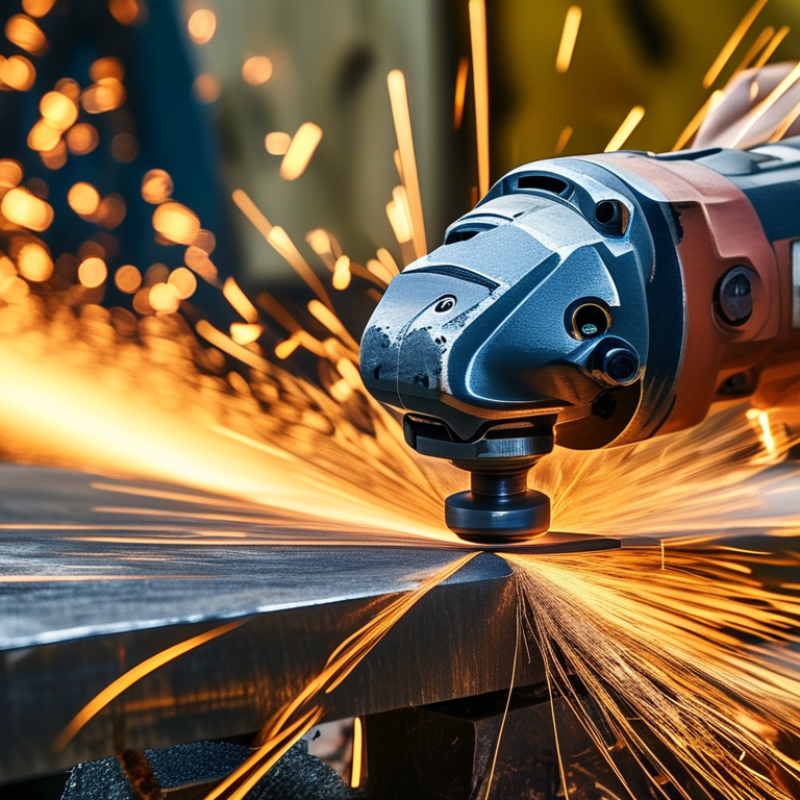
Drill bits are essential tools in woodworking and metalworking. Keeping them sharp significantly affects work quality. Dull bits lead to increased friction, wasted time, and potential damage to materials. Knowing how to sharpen drill bits properly enhances both tool longevity and performance.
Understanding the importance of sharpening is crucial. A sharp bit creates clean holes with minimal effort. It saves time and energy, allowing for more efficient workflow. Additionally, the right sharpening technique prevents accidents caused by slipping or breaking. However, many overlook this aspect. They may rely on new bits instead of maintaining their existing tools. This can lead to unnecessary costs.
Embracing the sharpening process requires practice. Experiment with various techniques to find what works best for you. Mistakes will happen. You might over-sharpen or create uneven edges. Reflecting on these errors will improve your skills over time. Sharpening is not just a task; it’s a craft that should be taken seriously.
When it comes to drill bits, knowing when they need sharpening is crucial. Common indicators include slower drilling speeds and uneven hole sizes. If you notice excessive heat or smoke while drilling, it’s definitely time for a tune-up. Examine the drill bits for chipping or dull edges; these are clear signs that sharpening is necessary.
Here are some tips to help you assess your drill bits effectively. Regularly check for signs of wear and tear. A simple visual inspection can reveal much about their condition. If you hit tough materials and notice a significant decrease in performance, don’t ignore it. Trust your instincts. That nagging feeling often signals the need for sharpening.
It can be easy to overlook maintenance. Many overlook the need to sharpen regularly, assuming their drill bits are fine. Remember, dull bits can ruin your project and lead to frustration. If you’re unsure, practice sharpening a couple of old ones first. This can help develop your skills without risking your better tools. Stay proactive and attentive, and your drill bits will serve you well for years to come.
Hand sharpening drill bits is a valuable skill. It extends the life of your tools and improves drilling accuracy. To start, gather the necessary tools. You will need a sharpening stone, a bench vise, and safety goggles. Each bit requires different angles for proper sharpening.
Secure the bit in the vise. Hold it steady as you work. Use the sharpening stone to grind the cutting edges. Apply even pressure for consistency. Remember, do not rush. An uneven edge can create problems during drilling. Focus on maintaining the correct angle, which is typically 118 degrees for general-purpose bits.
Tips: Practice makes perfect. Start with a bit that is less valuable to avoid frustration. Sharpening requires patience. Inspect your progress often. If the edge doesn’t seem sharp, keep refining it. A good edge will bite into materials smoothly. Be open to learning from mistakes; the process improves with experience. Aim for precision, and your projects will benefit greatly.
Using power tools for drill bit sharpening can significantly enhance efficiency and precision. Many professionals recommend using a bench grinder for this purpose. A report from the American National Standards Institute indicates that sharpening drill bits improves their longevity by up to 30%. However, not all grinders are compatible with drill bits. Attention to detail in tool selection is crucial.
While power tools save time, improper use can lead to damage. For example, overheating the bit can cause structural changes. This is a common mistake that beginners often make when experimenting with new setups. Adjusting the tool's speed is vital. A study from the Precision Machining Association suggests that operating at the right RPM can help maintain the bit's hardness.
Safety is paramount. Always wear protective eyewear when using power tools. Drill bits can shatter if not handled correctly. Knowing when to sharpen is key; dull bits generate heat, which can reduce cutting efficiency. The balance between speed and caution is essential. Engaging with experts or watching tutorials may also enhance understanding. Remember, mastering the sharpening process takes practice.
Drill bits are essential tools for various projects. Proper maintenance ensures they last longer and perform better. Regular cleaning is vital. After use, remove debris and residue. Use a brush or cloth to wipe them clean. This simple step can prevent unnecessary wear.
Sharpening drill bits is another crucial aspect. A sharp bit cuts more efficiently, reducing strain on the tool. Consider using a sharpening stone or mill. It may require practice to master the technique. Don't rush; an uneven edge can lead to poor performance. Proper sharpening transforms a worn bit into a usable tool again.
Storing your drill bits correctly also matters. Avoid throwing them into a toolbox, which can cause nicks or damage. Use a dedicated storage case or organizer. This reduces the likelihood of accidents and preserves their integrity. Remember, even skilled users can overlook these details at times. Regular attention to these practices leads to better longevity and performance.
| Method | Tools Needed | Step Difficulty | Time Required |
|---|---|---|---|
| Manual Sharpening | Whetstone, oil | Medium | 15 minutes |
| Bench Grinder | Bench grinder | High | 10 minutes |
| Drill Bit Sharpener | Electric sharpener | Low | 5 minutes |
| Angle Grinder | Angle grinder | Medium | 12 minutes |
| File Method | Hand file | Medium | 20 minutes |
| Sanding Method | Sandpaper | Low | 10 minutes |
| Lathe Method | Lathe machine | High | 15 minutes |
| Diamond Wheel | Diamond wheel grinder | High | 8 minutes |
| Tapered Reamer | Tapered reamer | Medium | 15 minutes |
| Oilstone | Oilstone | Low | 10 minutes |
: Sharpening improves work quality and tool longevity. Dull bits cause wasted time and potential material damage.
Look for slower drilling speeds, uneven hole sizes, or excessive heat. These signs indicate they need attention.
Ignoring dull bits can ruin projects. It may lead to frustration and unnecessary costs from buying new bits.
It requires practice and experimentation. Mistakes will happen, but reflecting on errors helps improve your technique.
Regularly inspect them for wear. A visual check can help you catch issues early, before they affect performance.
Yes, sharpening old bits is a good way to develop skills. It allows for experimentation without risking better tools.
Try various methods to see what works best for you. Just be aware that over-sharpening can create uneven edges.
Yes, dull bits can slip or break during use, leading to potential accidents. Keeping them sharp enhances safety.
While certain tools can help, basic sharpening can be done with common items. Evaluate what works for your situation.
Trust your instincts. If something doesn’t feel right, it’s usually a sign that they need sharpening or attention.
Sharpening drill bits is essential for maintaining their performance and longevity, as dull bits can lead to inefficiency and poor-quality work. Understanding the signs that indicate it's time to sharpen your drill bits is crucial; look for difficulties in drilling or increased friction. Knowing how to sharpen drill bits properly can be achieved through either hand sharpening techniques or the use of power tools, each offering its advantages. The step-by-step guide for hand sharpening provides a hands-on approach, while power tools can significantly increase efficiency.
To ensure that your drill bits remain effective over time, regular maintenance is key. This includes proper cleaning and storage, as well as periodic sharpening to keep them in prime condition. By mastering how to sharpen drill bits properly, you not only enhance their lifespan but also improve the quality of your work, making tasks easier and more precise.
