DKS ServiceWorks DKS ServiceWorks

Top 10 Tips for How to Use a Nail Gun Safely?

Time:2026-04-07 Author:Charlotte
0%

Using a nail gun can significantly speed up your projects, but safety must always come first. Understanding how to use a nail gun safely is crucial to avoid accidents and injuries. These tools are powerful and can cause serious harm if not handled properly.

Start by familiarizing yourself with your nail gun. Read the manufacturer's instructions before using it. Each model has unique features and safety mechanisms. Always wear protective gear, including safety goggles and hearing protection. This equipment can prevent injuries from flying debris and loud noises.

Moreover, maintain a safe distance from others while using a nail gun. Misfires can happen unexpectedly. It’s vital to keep your work area clear of distractions. Reflect on your technique regularly. Even experienced users can make mistakes. Staying aware of your surroundings and the tool’s operation will help you use a nail gun more safely.
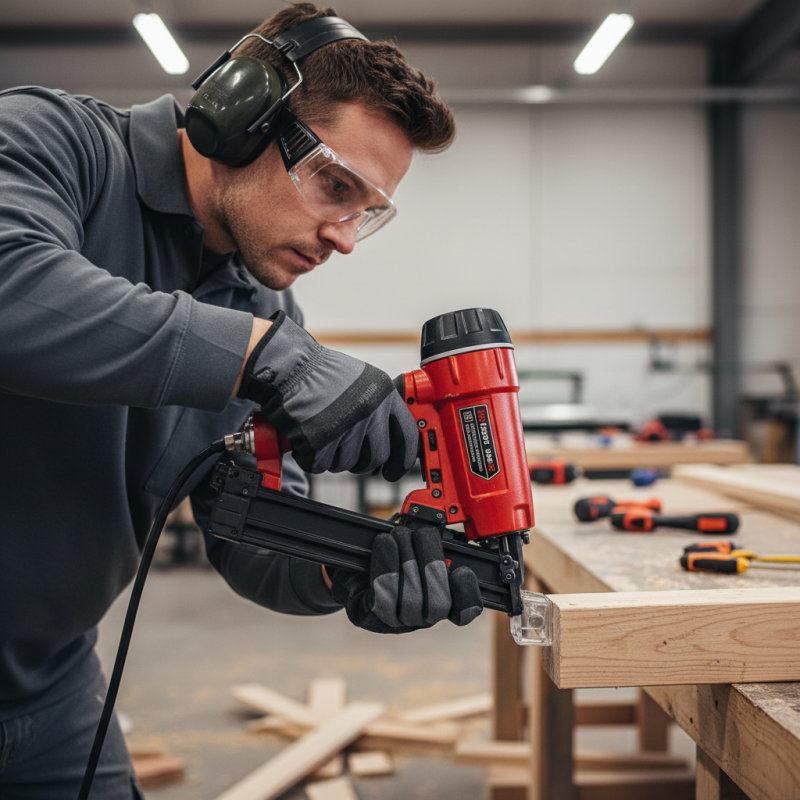
Top 10 Tips for How to Use a Nail Gun Safely?

Understanding the Different Types of Nail Guns and Their Uses

Understanding the different types of nail guns is essential for safe and efficient usage. There are primarily three categories: framing nailers, finishing nailers, and brad nailers. Each type serves unique purposes in construction and woodworking. Framing nailers are robust, designed for structural tasks like assembling frames. They typically use larger nails, often 2 to 3.5 inches long, which provide strong connections.

Finishing nailers are smaller, ideal for trim work. They use 15 to 18 gauge nails and create cleaner finishes. This makes them suitable for soffits, door frames, and baseboards. On the other hand, brad nailers shoot 18 gauge brads, which are perfect for delicate projects. They pose a lesser risk of splitting thin materials and work well for attaching lightweight moldings or crafts.

According to the National Institute for Occupational Safety and Health, approximately 22,000 nail gun-related injuries occur annually in the U.S. Many incidents stem from improper usage or inadequate understanding of the tools. It's crucial for users to familiarize themselves with their specific nail gun's operational mechanics. This knowledge minimizes accidents and enhances safety on the job site. Remember, not all nail guns are created equal, and the right type can significantly reduce risks and improve results.

Essential Safety Gear for Operating a Nail Gun

When operating a nail gun, safety gear is crucial. Always wear safety goggles to protect your eyes from flying debris. Ear protection is necessary as well, as nail guns can produce loud noise that might damage hearing over time. Don't forget about gloves; they provide a better grip and protect your hands from sharp objects or accidental impacts.

A dust mask could be an essential addition to your gear, especially if you're working in a dusty environment. Steel-toed boots are recommended to shield your feet from falling tools or materials. Checking your gear regularly is vital to ensure it remains effective. You may face challenges like discomfort or heat when wearing all this safety equipment. Finding the right fit can take time and awareness.

Using a nail gun also means being mindful of your surroundings. Make sure that bystanders are at a safe distance. It’s easy to forget about the potential dangers when focused on the task at hand. Always review safety protocols before starting work. Reflecting on your practices is vital to prevent accidents and enhance safety. An investment in proper safety gear ultimately pays off.

Proper Handling and Maintenance of Nail Guns

Nail guns are powerful tools that can streamline construction tasks. However, improper handling can lead to serious injuries. According to the U.S. Consumer Product Safety Commission, over 37,000 nail gun-related injuries occur each year. Proper maintenance is crucial to minimize risks and ensure safety.

Regular inspections are essential. Checking for jammed nails and ensuring the safety features function properly can prevent accidents. Many accidents are due to tool malfunctions. Keep the nail gun clean, removing dust and debris. A 2020 safety report indicated that tools in good working condition reduce the accident rate by 30%.

Storing nail guns securely also matters. A locked toolbox can prevent unauthorized access, reducing the chance of misuse. Follow manufacturers' guidelines for storage and maintenance. Not doing so can lead to a false sense of security, increasing the risk of mishandling. Remember to maintain an awareness of your surroundings while using the tool. Neglecting these practices could lead to preventable incidents.

Top 10 Tips for How to Use a Nail Gun Safely

Tip No. Safety Tip Description
1 Read the Manual Always read the manufacturer's manual for safety instructions and operating procedures.
2 Wear Protective Gear Use safety glasses, gloves, and hearing protection when operating a nail gun.
3 Check for Damage Inspect the nail gun for any damage before use to ensure it operates safely.
4 Use Correct Nails Make sure to use the correct type and size of nails specified for your nail gun.
5 Maintain a Safe Distance Keep people at a safe distance when using the nail gun to avoid accidents.
6 Disconnect When Not in Use Always disconnect the nail gun from power when not in use or during service.
7 Avoid Overreaching Do not overreach while using the nail gun to maintain balance and control.
8 Use Two Hands Always use both hands for better control and stability while nailing.
9 Know Your Surroundings Be aware of your surroundings and ensure no one is in the line of fire.
10 Regular Maintenance Perform regular maintenance on your nail gun to ensure it operates safely and effectively.

Safe Nail Gun Operation Techniques and Best Practices

Using a nail gun can be highly efficient, but safety is paramount. Understanding proper operation techniques helps prevent injuries. Always read the user manual before starting. This step ensures you are familiar with the tool's specific features. Wearing appropriate protective gear is essential. Safety glasses and ear protection keep you safe from flying debris and loud noise.

Be aware of your surroundings. Check that no one is within the range of your nail gun. Accidental discharge can result in serious injury. Maintain a clear workspace. A cluttered area increases the risk of accidents. Use the nail gun with a steady hand and at the right angles. Improper positioning can lead to missed nails and can cause kickback.

Regular maintenance is crucial. A well-maintained nail gun functions better and reduces the risk of jams. Inspect the tool for any wear and tear. Keep it clean and lubricated as needed. Always disconnect the power source when changing nails or making adjustments. Taking these simple steps enhances both safety and efficiency, making your work easier in the long run.

Guidelines for Avoiding Common Nail Gun Injuries

Nail guns have become essential tools in construction and woodworking. However, their power also leads to significant risks. According to the U.S. Consumer Product Safety Commission, approximately 37,000 nail gun injuries occur annually. Many of these injuries are serious, causing permanent damage. Understanding safe practices is crucial for all users.

One key aspect of nail gun safety is maintaining a firm grip. This helps to prevent the tool from slipping. When handling a nail gun, ensure that your body is clear of the firing path. Many accidents occur when operators unintentionally shoot themselves or others. Always use a trigger mechanism that requires constant pressure. This feature decreases accidental firings.

It's essential to wear proper protective gear at all times. Safety glasses prevent eye injuries from flying debris. Hearing protection can help mitigate noise exposure from repetitive use. Regularly check your nail gun for any malfunction. Neglected tools can lead to misfires and increased risk. Document any issues and seek professional repair if needed. Ignoring these maintenance tips can result in serious consequences. Operator awareness and responsibility are vital to reducing accident rates.

FAQS

: What are the main types of nail guns?

: The main types are framing nailers, finishing nailers, and brad nailers. Each serves different purposes.

What are framing nailers used for?

Framing nailers are robust tools for structural work, often used in assembling frames. They use larger nails.

Why are finishing nailers preferred for trim work?

Finishing nailers use 15 to 18 gauge nails, creating cleaner finishes for soffits and door frames.

How do brad nailers help in delicate projects?

Brad nailers shoot 18 gauge brads, reducing the risk of splitting thin materials. They are ideal for lightweight attachments.

What is the importance of reading the nail gun manual?

Reading the manual is essential to understand the tool's features and ensure safe operation.

What protective gear should be worn when using a nail gun?

Always wear safety glasses and ear protection to shield against debris and noise during use.

What maintenance tips can enhance nail gun safety?

Regularly inspect and clean the tool. Disconnect power when changing nails to prevent accidents.

How can a cluttered workspace affect nail gun usage?

A cluttered area increases the risk of accidents. Always keep your workspace organized and clear.

What grip technique should be utilized with a nail gun?

Maintain a firm grip to prevent slipping, and ensure your body is clear of the firing path.

Why is operator awareness important for nail gun safety?

Being aware reduces accidents. Operators must stay alert and engage in responsible usage.

Conclusion

In order to understand how to use a nail gun safely, it's essential to first familiarize yourself with the different types of nail guns available and their specific applications. Each type serves a unique purpose, which is crucial for selecting the appropriate tool for your project. Alongside this, wearing the right safety gear, including eye protection and gloves, is vital to protect yourself during operation.

Proper handling and maintenance of nail guns significantly contribute to safe usage. This includes regular inspections and keeping the tools in good working order. Additionally, employing safe operation techniques, such as keeping your hands clear of the firing zone and being aware of your surroundings, can help prevent accidents. By following these guidelines and understanding common nail gun injuries, you can greatly enhance your safety while effectively using your nail gun.

Charlotte

Charlotte

Charlotte is a seasoned marketing professional with a deep understanding of the company's portfolio and a passion for elevating its presence in the market. With a keen eye for detail and a commitment to excellence, she ensures that our professional blog is regularly updated with insightful articles......