When embarking on a drilling project, choosing the right tool is crucial. Many ask themselves, "What type of drill bit should I use for different materials?" The answer varies significantly based on the material at hand. Each material, be it wood, metal, or masonry, requires a specific type of drill bit for optimal results.
Using the wrong bit can lead to frustrating outcomes. An incorrect choice may damage the material or the drill itself. For example, woodworking often calls for twist bits, while metal demands high-speed steel or cobalt variants. Concrete drilling, on the other hand, necessitates masonry bits featuring carbide tips.
Many DIY enthusiasts overlook these specifics. They may pick a generic bit, assuming it will do the job. However, this can lead to less efficient drilling and wasted time. Understanding the compatibility of drill bits with various materials will enhance your experience. It builds confidence in your work and helps achieve professional results.
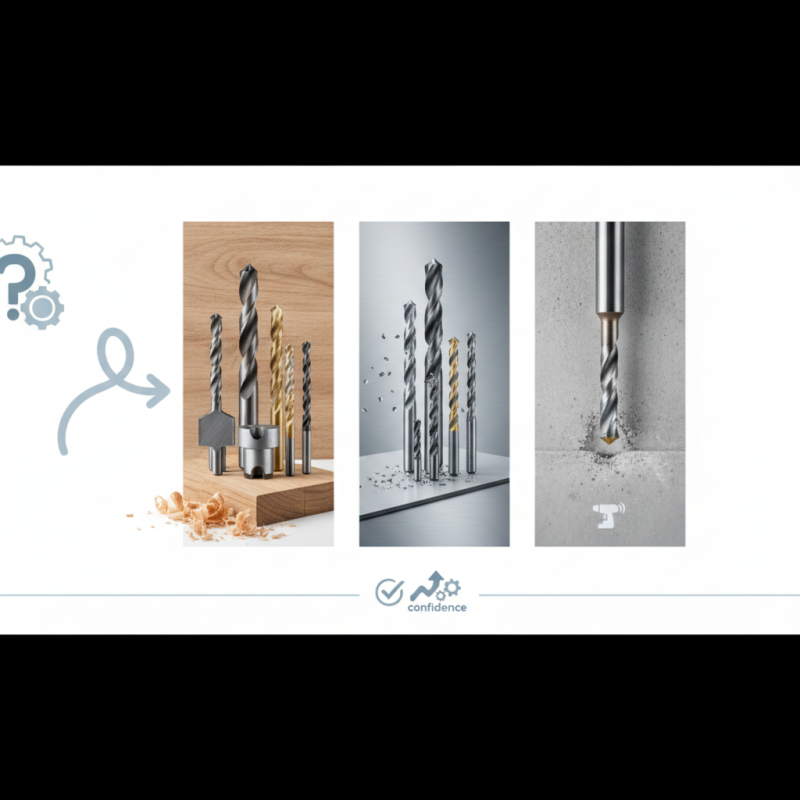
Types of Drill Bits and Their Applications by Material
Choosing the right drill bit is crucial for optimal results. Different materials require specific drill bits for efficiency and accuracy. For wood, high-speed steel bits (HSS) work well. They create clean holes without tearing the fibers. Use brad point bits for precision. These are designed to prevent wandering.
When it comes to metal, cobalt bits are preferred. They withstand high heat and resist wear. Their design allows for drilling through harder materials like stainless steel. For masonry, use carbide-tipped bits. They handle tough surfaces with ease, perfect for drilling into concrete or brick.
Tips: Always adapt your technique to the material. For wood, drill at a slower speed to prevent splintering. For metal, apply cutting oil to prolong bit life. If the bit gets stuck, try reducing pressure rather than forcing it. Remember, not all bits perform well in every situation. Assess your needs carefully before starting.
Understanding the Composition of Common Drill Bit Materials
Drill bit materials significantly influence the effectiveness of drilling tasks. High-speed steel (HSS) bits are popular for their versatility. They work well with wood, plastic, and even some metals. HSS is less expensive, making it ideal for beginners and home projects. However, HSS may become dull quickly when used on harder materials. Data from industry reports indicate that over 25% of users experience decreased performance with HSS on tough metals.
Cobalt bits, an alloy of HSS, excel in cutting harder materials like stainless steel. Their hardness enhances durability and reduces the risk of breakage. Research shows that cobalt bits can withstand higher temperatures, making them suitable for high-speed drilling projects. However, their cost is higher, which might deter casual users.
Carbide-tipped bits offer excellent performance on masonry and concrete. The carbide coating provides exceptional hardness, allowing these bits to drill through tough surfaces with ease. Yet, breaking or chipping can occur if not handled correctly. Data suggests that improper use leads to a 30% failure rate in commercial settings. Understanding the strengths and weaknesses of each material is vital for selecting the right drill bit for your specific project.
What Type of Drill Bit Should I Use for Each Material?
Choosing the Right Drill Bit for Wood: Features and Recommendations
When selecting a drill bit for wood, it's essential to consider several factors. A standard twist bit is versatile and works well for most wooden materials. However, for specific tasks, such as drilling pilot holes or creating clean edges, a brad-point bit is often preferred. Its sharp point allows for precision without wandering.
For softwoods, a spade bit can also be effective. It creates large holes quickly. However, overusing it may lead to rough edges and surface splintering. Choosing the right drill bit reduces damage and enhances the overall quality of your project.
Tip: Always choose a bit that matches the size of your intended hole. Using an oversized bit can cause splitting.
Additionally, ensure your drill speed is appropriate. Too fast a speed can burn the wood or dull your bit.
Tip: Consider testing on a scrap piece of wood first. This will help you adjust speed and technique without ruining your main material.
Remember, practice makes perfect. Experimenting with different bits can help you understand their unique characteristics better.
Metal Drilling: Selecting the Optimal Bit for Steel and Aluminum
When it comes to drilling into metals like steel and aluminum, choosing the right drill bit is crucial. Twist drills are often recommended for these materials. They are versatile and efficient, making them a go-to for many DIY enthusiasts and professionals alike.
High-speed steel bits are particularly effective for softer metals such as aluminum. They maintain sharpness well and can handle moderate heat levels without losing their edge.
On the other hand, when drilling steel, cobalt bits shine. These bits are tougher and are better suited for harder metals. They can withstand higher temperatures, which is vital for success when working with tougher materials. Some beginners may find themselves struggling with bits dulling quickly. This often results in frustration and wasted time. Understanding this aspect emphasizes the importance of using the correct bit and techniques.
The choice of a drill bit can greatly affect project outcomes. A poor choice can lead to excessive wear and skewed holes. Experimenting with different bits might offer insights into what works best for your specific needs. Observing the results can enhance your skills and contribute to better future projects. Aim for precision and take note of what works; it's all part of the learning curve.
Ceramic and Masonry: Specialized Drill Bits for Hard Materials
When drilling into hard materials like ceramic and masonry, it’s crucial to choose the right bit for optimal results. Specialized drill bits, such as masonry or diamond-tipped, are designed for these tougher surfaces. Regular bits can cause damage or breakage when faced with these materials. Diamond bits are particularly effective for tiles, while masonry bits work well for concrete and brick.
Tips: Always assess the thickness and density of the material before starting. A pilot hole can help guide the drill bit and prevent chipping on the surface. Keep your drill at a low speed to avoid overheating and prolong the life of the bit.
Drilling into ceramics requires patience. If you're dealing with glazed tiles, a carbide-tipped bit may be preferable. Remember to apply steady pressure but avoid forcing the drill, as this can lead to cracks. Mistakes can happen. If the bit slips, it may mar the finish. Learning from such experiences is essential.
Tips: Use masking tape to mark the drilling point. This reduces slippage and helps keep your focus. Always wear safety goggles to protect your eyes from debris. Keeping the workspace well-lit can also improve accuracy and safety.
What Type of Drill Bit Should I Use for Each Material? - Ceramic and Masonry: Specialized Drill Bits for Hard Materials
| Material |
Recommended Drill Bit Type |
Drill Bit Characteristics |
Notes |
| Ceramic |
Diamond-Coated Bit |
Highly durable, reduces chipping |
Use slow speed for best results |
| Porcelain |
Masonry Bit |
Tapered design for efficient cutting |
Lubricate with water to prevent overheating |
| Brick |
Carbide-Tipped Bit |
Strong and efficient for harder materials |
Drill at a steady pace |
| Concrete |
Rotary Hammer Bit |
For heavy-duty drilling |
Requires a compatible rotary hammer |
| Natural Stone |
Diamond Wet Drill Bit |
Prevents heat buildup and extends life |
Ideal for precision drilling |
FAQS
: High-speed steel (HSS) bits are most effective for wood. They create clean holes with minimal tear.
Use brad point bits. They help prevent bit wandering during the drilling process.
Cobalt bits are preferred for metal. They resist heat and wear better than other options.
Reduce pressure instead of forcing it. This can help release the bit without damage.
For softer metals, use high-speed steel bits. Apply cutting oil for heat management and better performance.
The correct bit choice affects hole accuracy. A poor choice can lead to excessive wear and frustration.
Without adjustment, tools may dull quickly and project outcomes can be skewed.
Many beginners struggle with bits dulling too quickly due to improper selection and techniques.
Observe results from different bits and techniques. This experimentation can enhance your future projects.
No, not all bits work well in every situation. Assess your specific needs before starting a project.
Conclusion
When considering what type of drill bit should I use for different materials, it's crucial to understand the specific requirements and characteristics of each material. Different drill bits are designed to accommodate various types of surfaces, such as wood, metal, ceramic, and masonry. For instance, wood drilling typically requires high-speed steel or brad-point bits, which provide clean cuts and prevent splintering. In contrast, when drilling into metals like steel and aluminum, cobalt or titanium-coated bits are more suitable, as they are designed to withstand higher temperatures and resist wear.
Additionally, specialized drill bits are necessary for hard materials such as ceramics and masonry. Carbide-tipped bits are ideal for these applications, as they can penetrate tough surfaces effectively. By understanding the composition and application of each drill bit type, one can make informed decisions about the best options for specific materials, ensuring efficient and accurate drilling results.
 DKS ServiceWorks
