DKS ServiceWorks
Choosing the right drill bit is crucial for effective drilling. When considering "what type of drill bit should I use for different materials," various factors come into play. Each material demands specific drill bit features to ensure optimal performance.
For wood, a twist drill bit or spade bit works well. They provide clean cuts and prevent splintering. When dealing with metal, cobalt or titanium-coated bits are essential. They withstand heat and maintain sharpness. However, using the wrong bit can lead to frustration. It’s important to have the right bit on hand to avoid wasted time and effort.
Concrete and masonry require carbide-tipped bits. These are specially designed to handle hard materials. If a bit wears out quickly, it may not be suitable for that specific use. Reflecting on the performance of drill bits can help improve future projects. Ultimately, understanding the material helps in selecting the correct drill bit.
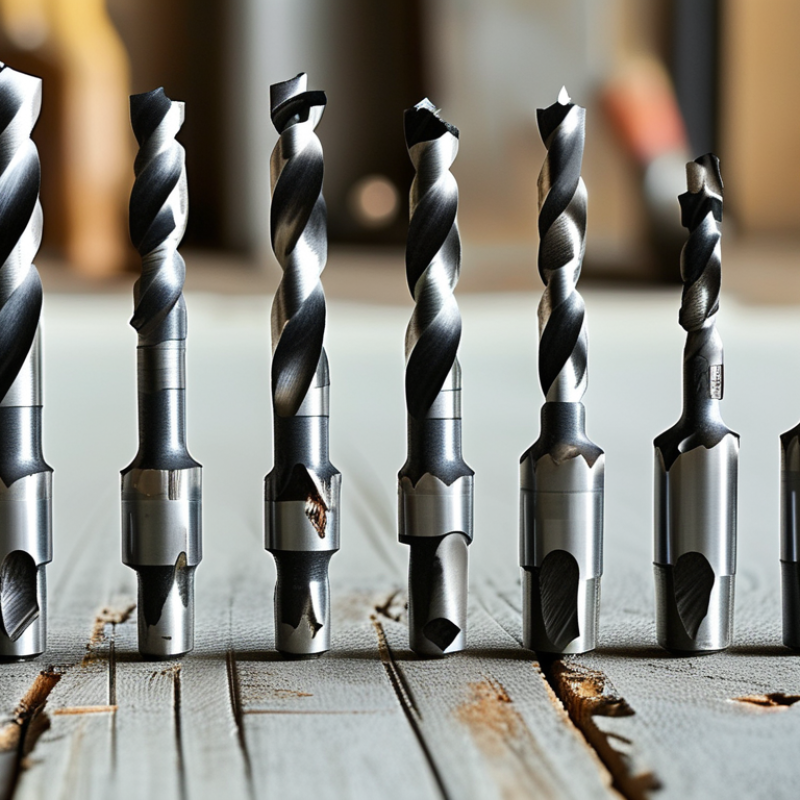
When selecting drill bits for woodworking applications, it’s crucial to choose the right type for your specific project. Twist bits are popular for general drilling in wood. They create clean holes and are versatile for a variety of tasks.
For more specialized needs, consider spade bits. They are broader and ideal for making large holes quickly.
For precision work, brad point bits are excellent choices. Their sharp points help ensure exact placement, allowing for clean entry into the wood.
For thicker materials, hole saws can be used to cut larger diameters. While effective, they might require a bit more effort.
It’s important to note that not all wood is the same. Hardwoods can be more challenging and may dull bits quicker. Reflect on your past experiences with different woods. Consider how certain bits performed and whether you need to revise your approach. Choosing the right drill bit can significantly impact the quality of your woodworking projects.
Selecting the right drill bit for metal drilling is crucial for achieving clean and efficient holes.
High-speed steel (HSS) bits are commonly recommended for drilling into various metals.
They provide a good balance of heat resistance and durability.
Cobalt drill bits, which contain additional cobalt, are ideal for harder materials like stainless steel.
These bits maintain their edge longer and withstand higher temperatures.
When working with metals, consider the bit's coating.
Titanium-coated bits are popular for their reduced friction and increased lifespan.
They help prevent overheating during prolonged use.
It's important to keep drill speed in mind; slower speeds often yield better results.
Additionally, ensure that you use cutting fluid to minimize heat and friction.
This practice enhances the quality of the hole and prolongs the life of your drill bits.
Mistakes can happen, like choosing the wrong type of bit.
For instance, using a wood drill bit on metal can lead to poor outcomes.
Experimentation with different speeds and techniques may also be necessary.
Finding what works best for your specific project might take time.
It's a learning process that brings valuable experience in metalworking.
When it comes to drilling into masonry and concrete, selecting the right drill bit is crucial. For masonry, carbide-tipped bits are often recommended. These bits can withstand the hardness of bricks and stones. According to industry reports, using the right bit can improve drill efficiency by up to 30%. This efficiency means fewer breaks and faster jobs.
Concrete presents its own challenges. For this material, diamond-coated drill bits are often the best choice. They cut through concrete smoothly and resist wear. Studies have shown that diamond bits last significantly longer than regular bits when used on concrete, offering up to four times the lifespan. However, not all jobs require the most expensive option. Sometimes, a lower-cost carbide bit can suffice for smaller projects. Understanding the specific demands of your project is essential.
It’s essential to consider the drill's RPM settings too. A high-speed drill can overheat bits and damage materials. Balancing the speed with the right drill bit choice is key. Many contractors still face difficulties selecting the right combination, leading to unnecessary frustrations. It’s a complex process influenced by factors like bit wear and job conditions. Effective decisions come from experience and careful assessment of the task ahead.
When choosing drill bits for plastic and composite materials, specialized designs become essential. Standard bits might crack or melt these materials. A study revealed that using the right drill bit can improve efficiency by up to 30%. Bit selection plays a crucial role in achieving clean cuts and reducing the risk of material damage.
For plastic, brad-point bits work exceptionally well. Their sharp pointed tips enable precise drilling without causing deformation. On the other hand, composite materials—often reinforced with fiberglass—require bits specifically designed to handle abrasive elements. A report found that using dedicated composite drill bits reduced wear by 25% compared to conventional options.
Clarity is vital when choosing drill bits for different materials. Understanding the material’s properties helps select the right type. However, this can lead to oversight. Not all professionals are aware of these distinctions. Sometimes, they opt for general-purpose bits, which may not yield the best results. It’s important to continuously educate oneself on material behavior and bit characteristics to avoid damaging valuable components.
When choosing a drill bit, material and coating play crucial roles. High-speed steel (HSS) bits offer durability and are suitable for metal and wood. Their affordability makes them a popular choice for DIY enthusiasts. Cobalt bits contain cobalt, increasing heat resistance, ideal for hard metals. However, they may be less flexible than HSS bits.
Coatings can significantly affect performance. Titanium nitride (TiN) coated bits provide extended tool life and reduce friction. They work well in various materials, enhancing precision. But, these coatings can be prone to chipping under extreme stress. Remember, the wrong bit can lead to inefficiencies and frustration.
Thinking critically about your project is essential. For example, while a coated bit may seem attractive, its application must match your material. If unsure, seek expert advice. A drill bit should feel natural in hand, enabling precise work. A well-selected bit can enhance your project's quality. However, disregard for material discussions can lead to setbacks. Investing time in understanding your tools pays off.
| Material Type | Recommended Drill Bit Type | Coating | Typical Applications |
|---|---|---|---|
| Wood | Twist Drill Bit | None | Furniture, Shelves |
| Metal | Cobalt Drill Bit | Titanium | Machinery, Equipment |
| Plastic | Spade Bit | None | Models, Components |
| Masonry | Masonry Bit | Carbide | Construction, Repairs |
| Concrete | Tapered Drill Bit | Diamond | Foundations, Structures |
: High-speed steel (HSS) bits are commonly recommended for various metals. They resist heat and are durable.
Cobalt drill bits contain additional cobalt. They maintain their edge longer and handle tougher materials like stainless steel.
Coatings, like titanium, reduce friction and improve lifespan. They help prevent overheating and enhance drilling quality.
Using a wood drill bit on metal leads to poor outcomes. Choosing the right bit can take some experimenting.
Carbide-tipped bits are recommended for masonry. They withstand brick and stone hardness effectively, improving efficiency.
Diamond bits cut through concrete smoothly and resist wear. They last significantly longer than regular bits on this material.
Slower drill speeds often yield better results and prevent overheating. Balancing speed with bit choice is crucial.
Brad-point bits are ideal for plastic. Their sharp tips allow for precise drilling without causing deformation.
Standard bits may crack or melt composites. Specialized drill bits are designed to handle their abrasive properties.
Continuous education about materials and bit characteristics is essential. Overlooking these can lead to damaging results.
When considering what type of drill bit should I use for different materials, it's essential to understand the various options available for specific applications. For woodworking, standard twist bits or spade bits are ideal, as they provide efficient and clean cuts. When drilling into metal, high-speed steel (HSS) bits or cobalt bits are recommended for their durability and ability to withstand higher temperatures.
For masonry and concrete, using carbide-tipped bits is crucial, as they can penetrate tough surfaces effectively. Additionally, specialized bits are available for plastic and composite materials, designed to prevent cracking and melting. It's also important to consider the material and coating of the drill bits, which can significantly impact their performance and longevity. Understanding these distinctions allows for optimized drilling results across various projects and materials.
