DKS ServiceWorks
Cutting wood effectively requires the right tools and techniques. Among various methods, using chisels stands out. They offer precision, control, and versatility. Understanding what is the best way to cut wood using chisels can significantly enhance woodworking skills.
Chisels enable artisans to achieve clean, detailed cuts. Unlike saws, they allow for intricate designs and fine adjustments. This level of control is crucial in fine woodworking. Craftsmen value chisels for their ability to create smooth finishes on wood surfaces. However, mastering chisel usage requires practice and patience.
One must consider factors such as chisel type and wood grain direction. The choice of wood influences the cutting process too. While chisels are powerful, they demand respect and skill. Beginners may find the learning curve steep. Yet, the rewards are worth the effort. Using chisels may not always be the easiest option, but it offers unmatched craftsmanship.
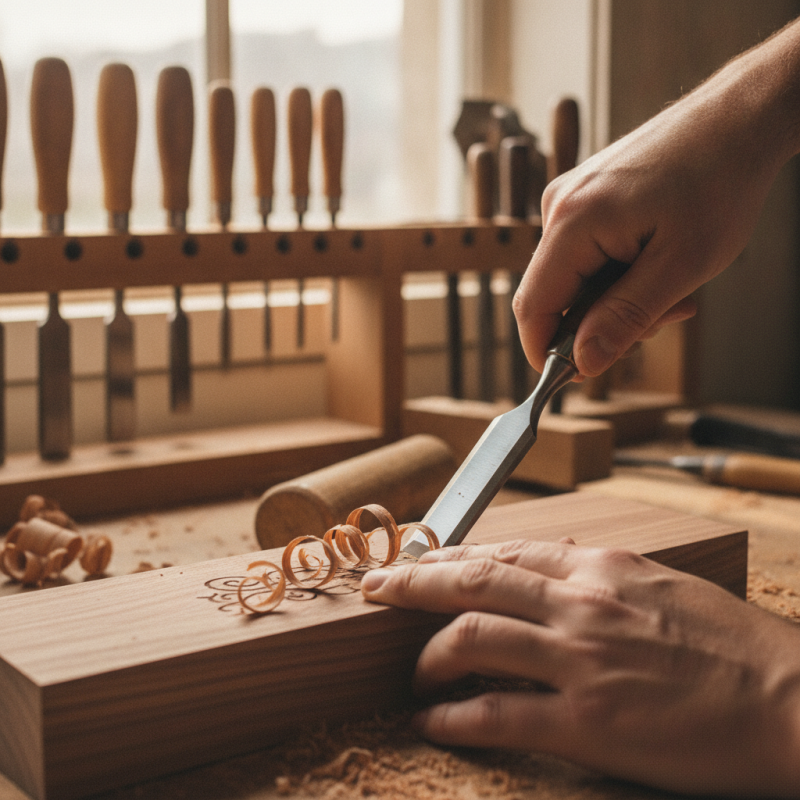
Chisels are unmatched for cutting wood due to their precision and control. Their sharp blades allow craftsmen to shape and define wood with incredible accuracy. Whether it’s making intricate carvings or precise joints, a chisel offers a level of detail that saws simply can’t match. You can easily work in small areas, where larger tools would be cumbersome. This makes chisels ideal for fine woodworking and delicate projects.
Another benefit of using chisels is their versatility. They can be adapted for various tasks, from simple cuts to detailed embellishments. A skilled woodworker can create beautiful furniture, sculptures, or outdoor pieces. However, mastering the chisel requires practice and patience. Beginners may struggle to achieve clean lines or smooth surfaces. This learning curve can be a hurdle, but it also adds to the satisfaction of mastering the tool.
Moreover, chisels are lightweight and easy to handle. They don’t require complex machinery, making them accessible for hobbyists. However, maintaining sharp blades is crucial. Dull chisels can lead to frustration and uneven cuts. Regular honing and sharpening are essential. A woodworker's relationship with their chisels evolves over time, reflecting their growth and experience.
Chisels are essential tools in woodworking. Different types of chisels each serve unique purposes, enhancing both precision and control. For instance, a bevel-edged chisel is perfect for cutting joints or cleaning up edges. Meanwhile, paring chisels are ideal for delicate tasks that require a lighter touch. The right chisel can make a significant difference in the outcome of your project. According to woodworking industry reports, craftsmen using chisels report a 30% increase in accuracy compared to power tools.
When selecting a chisel, consider its width and material. Wider chisels allow for larger cuts. Narrow ones excel in tight spaces. Quality matters too; high-carbon steel chisels maintain a sharper edge longer. Remember to hone your chisels regularly. A well-maintained chisel can transform a difficult task into a simple one.
Tips: Always keep your workspace organized. A clutter-free environment enhances focus. Beginners may struggle with technique at first. Don’t hesitate to practice on scrap wood. This approach helps build confidence without the fear of ruining your main project. Taking time to perfect your chisel skills can lead to greater satisfaction in your woodworking endeavors.
Chisels remain a preferred tool for cutting wood due to their precision. The ability to control depth and angle is crucial. Reports indicate that craftspeople using chisels can achieve cuts with hardly any tear-out. This precision comes from the sharp edges and the tool's design. It's essential to keep chisels well-honed. Regular sharpening not only increases efficiency but also enhances safety.
Techniques matter significantly when using chisels. A stable work surface is critical for effective cutting. Techniques like the "chop" cut allow for straight lines. The "paring" method is best for smoothing surfaces. Understanding how much pressure to apply is important. Too much can lead to slips or uneven cuts. Watching one's grip and angle contributes to better outcomes.
Lastly, experience plays a vital role. Mistakes such as overestimating the chisel's capabilities can result in improper cuts. Regular practice is necessary to develop skilled techniques. According to woodworking studies, seasoned woodworkers are thrice as likely to make clean, precise cuts. Continuing to learn and adapt one's technique is crucial in mastering the art of chisel use.
| Technique | Description | Advantages | Best Use |
|---|---|---|---|
| Straight Chisel | A flat chisel used for making precise cuts and shaping edges. | High precision, great for cleaning edges and joints. | Cutting joints, trimming wood. |
| Bevel Edge Chisel | A chisel with a beveled edge ideal for detailed work. | Excellent for intricate carvings and tight corners. | Detailed carving and fine finishing. |
| Mortise Chisel | A thick chisel designed for cutting mortises in wood. | Durable, capable of handling heavy-duty tasks. | Creating mortises for joints. |
| Parting Chisel | A narrow chisel used for creating grooves and slots. | Great for precise grooves and fine details. | Making grooves in wood pieces. |
| Socket Chisel | A chisel with a socketed handle for better control. | Provides excellent grip, reduces hand fatigue. | General use and precision work. |
Using chisels to cut wood can be rewarding, but safety is paramount. Start by wearing appropriate personal protective equipment. Safety glasses shield your eyes from flying wood chips. Gloves can provide grip, but be cautious; loose clothing can catch in tools.
Proper handling of chisels is crucial. Always cut away from your body. This reduces the risk of injury if the tool slips. Firmly secure your workpiece. A stable surface prevents movement during cutting, enhancing control. Regularly check your chisel for sharpness. Dull tools increase the likelihood of slips and miscuts, demanding more force than necessary.
Don’t underestimate the importance of maintaining focus. Distractions can lead to accidents. Take breaks if you feel fatigued. Align your stance for better balance. If you’re unsure about a technique, consult with experienced woodworkers. They can provide invaluable advice. Reflect on your practices and adjust as needed. A mindful approach goes a long way in ensuring both quality work and safety.
When comparing chisels to other wood cutting tools, it's essential to recognize their unique advantages. Chisels offer precision. They enable the user to carve, shape, and refine wood to meet specific designs. Unlike saws, which create rough edges, chisels allow for clean cuts and detailed work. This accuracy makes them indispensable for fine woodworking and intricate joinery.
Many woodworkers enjoy the tactile response of chiseling. The tool connects the craftsman to the material. Each strike reveals the wood's grain and character. However, chiseling requires practice. It’s easy to overcut or damage the wood if one is not careful. Saws and power tools can sometimes lack this personal touch. While they excel in speed, they often sacrifice finesse.
The versatility of chisels cannot be underestimated. They can create joints, clean up edges, or even hollow out surfaces. Chisels can be used in tight spaces, where larger tools struggle. Yet, they demand a skill level that may frustrate beginners. Mastery requires time and patience. This learning curve may deter some from choosing chisels first. However, those who persist find them invaluable in their toolkit.
: Chisels offer unmatched precision and control, allowing for intricate carvings and precise joints.
Beginners may find it challenging to achieve smooth surfaces and clean lines. Practice is essential for improvement.
Chisels can be used for various tasks, from simple cuts to detailed embellishments, adapting to the project’s needs.
Keeping chisels sharp is crucial. Dull blades can cause frustration and uneven cuts. Regular honing is necessary.
Consider the chisel’s width and material. Wider chisels are for larger cuts, while narrow chisels work well in tight spaces.
Practice on scrap wood to build confidence. Improving technique takes time and can increase satisfaction in woodworking projects.
A bevel-edged chisel is ideal for cutting joints or cleaning edges effectively.
A well-maintained chisel performs better, transforming difficult tasks into simpler ones and improving accuracy.
Using chisels is often considered the best way to cut wood due to their precision and versatility. They provide woodworkers with greater control over their cuts, allowing for intricate designs and fine details that other tools might not achieve. Various types of chisels, such as firmer, mortise, and paring chisels, serve specific purposes in woodworking, enriching the craft significantly.
Mastering techniques for effectively using chisels is essential for optimal results, including the importance of maintaining sharp edges and understanding grain direction. Safety is also paramount; proper handling and techniques can prevent accidents. Ultimately, when discussing what is the best way to cut wood using chisels, it becomes evident that their unique advantages and skillful application can elevate both the functionality and aesthetics of wood projects, making them indispensable tools in woodworking.
