DKS ServiceWorks DKS ServiceWorks

Why Do My Drill Bits Keep Breaking During Use?

Time:2026-04-29 Author:Ethan
0%

Drill bits are essential tools for many DIY projects and professional jobs. However, a frustrating issue arises when users face frequent breakage. Understanding why do drill bits break easily can save time and money. Various factors contribute to this problem, and they deserve careful consideration.

Many users underestimate the impact of material compatibility. Using the wrong bit for a specific material can lead to premature wear. Factors like excessive pressure or incorrect speed settings also play significant roles. Overheating may make your drill bits brittle, increasing the chance of breakage.

Additionally, improper techniques cannot be overlooked. Users may not realize that the angle and depth of drilling matter. These aspects can significantly affect the lifespan of the bit. Reflecting on these points can improve your drilling experience. By adjusting your methods and knowing your materials, you can minimize breakage and enhance efficiency.
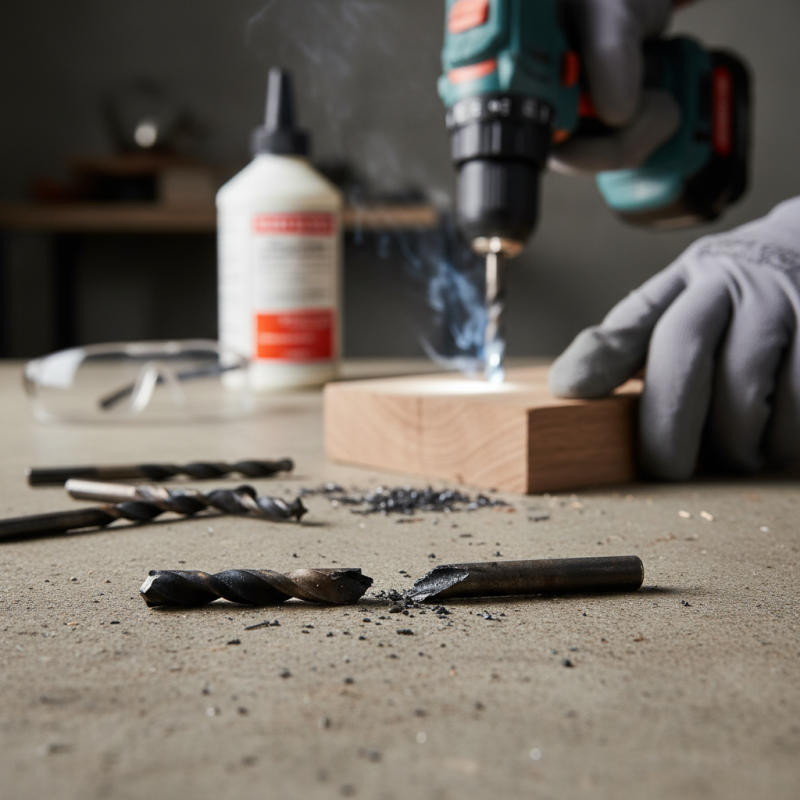
Why Do My Drill Bits Keep Breaking During Use?

Common Causes of Drill Bit Breakage During Use

Drill bit breakage can be frustrating and costly. There are several common causes that lead to this issue. One of the primary reasons is applying excessive force. When too much pressure is used, the bit can become over-stressed and snap. It's crucial to find the right balance during drilling. Many tend to push too hard, thinking it speeds up the process.

Another frequent cause is using the incorrect speed settings. Different materials require specific drilling speeds. Going too fast can generate excessive heat, weakening the bit. Conversely, too slow can cause binding, leading to breakage. Each project demands attention to detail regarding material types and appropriate speeds.

Lastly, wear and tear play a significant role. Regular use causes bits to dull. Using a worn-out bit can lead to unexpected breakage. Always inspect your tools for signs of damage or dullness before starting a project. Staying aware of these factors can greatly reduce the chance of breakage and improve your overall drilling experience.

Proper Techniques for Preventing Drill Bit Breakage

Drill bit breakage during use is frustrating. To prevent this, focus on proper techniques. Using the right speed is crucial. High speeds can generate excessive heat, causing bits to weaken and snap. Adjust the drilling speed according to the material. Softer materials may require slower speeds.

Always apply consistent pressure while drilling. Too much force can cause bits to break. Light, steady pressure helps maintain control. Give the bit time to do its job. If your bit is struggling, pause to prevent damage. Consider using cutting fluid or lubricant to reduce friction. This can keep the bit cool and prolong its life.

Check your setup regularly. A misaligned drill can create unnecessary stress on the bit. Ensure it is straight and secure before starting. Remember, the depth of your hole matters. Drilling too deep at once can lead to breakage. Take your time; sometimes, slow and steady wins the race. Reflect on your technique and refine your approach for better results.

Drill Bit Breakage Reasons

This chart illustrates the reasons for drill bit breakage, showcasing the frequency of each reason based on common practices and observations in drilling operations. Ensuring correct speed, feed rate, and using the proper tools can help in significantly reducing breakage incidents.

Choosing the Right Drill Bit for Your Project

Choosing the right drill bit is crucial for any project. Different tasks require different bits. Using the wrong type can lead to frustration and broken bits. For example, wood drill bits are designed for softer materials. They feature a point that allows for easy penetration. However, if you try to use them on metal, they may snap under pressure.

Another consideration is the size of the drill bit. Bits that are too small can overheat and break. On the other hand, oversized bits can cause damage or misalignment. It's essential to match the bit to your drill's specifications. Understanding the material you’re drilling into also matters. A masonry bit works well for concrete, but it won't serve on metal or wood.

Many users overlook maintenance. A dull bit can cause excessive wear. Regularly sharpening or replacing bits is important for optimal performance. Keep your workspace tidy to avoid accidents. Reflect on past projects where tools failed. Learning from those experiences can lead to better choices in the future. Selecting the correct drill bit not only enhances efficiency but also saves time and frustration.

Maintenance Tips to Extend Drill Bit Lifespan

Drill bits are essential tools. When they break, the frustration can be palpable. Proper maintenance is crucial for extending their lifespan. Here are some maintenance tips that can help.

Keep your drill bits sharp. Dull bits require more pressure, leading to breaks. Regularly inspect them. If you see wear, it’s time for sharpening. Use a dedicated sharpening tool. It's straightforward and can save you money and time.

Another key factor is the drilling speed. Too fast can cause overheating. Overheating weakens the metal, making breaks more likely. Adjust your drill speed based on the material. Softer materials need higher speeds, while harder ones benefit from slower speeds.

Lastly, avoid excessive force. Pushing too hard only harms the bit. Instead, let the tool do the work. Use a steady hand and consistent pressure. This technique not only prolongs the bit’s life but also enhances your drilling accuracy. Remember, mindful use can make all the difference.

Why Do My Drill Bits Keep Breaking During Use? - Maintenance Tips to Extend Drill Bit Lifespan

Cause Description Maintenance Tip
Incorrect Speed Using too high or too low speed can create excess heat and stress on the bit. Match drill bit speed with the material being drilled.
Improper Pressure Exerting too much or too little pressure can lead to breakage. Apply consistent and moderate pressure while drilling.
Dull Bits Worn edges reduce effectiveness and increase stress on the bit. Regularly sharpen or replace bits to maintain efficiency.
Wrong Bit Type Using the wrong type of bit for the material can lead to breakage. Select the appropriate bit for the specific material type.
Inadequate Lubrication Lack of lubrication leads to overheating and faster wear. Use cutting oil or lubrication where needed.

Understanding Materials and Their Impact on Drill Bit Durability

Drill bit durability is closely tied to the materials used in their construction. Steel and carbide are two common materials that create distinct performance characteristics. Steel bits, while cost-effective, often struggle with heat and wear. According to industry data, carbide bits last up to 5 times longer than steel in tough materials. This durability is essential for professional applications, where time and efficiency matter.


The impact of material choice on performance cannot be overstated. A survey by the National Tooling and Machining Association found that nearly 70% of drill bit failures occur due to improper bit selection for specific materials. For instance, drilling into harder materials like stainless steel requires bits designed specifically for that task. Incorrectly matched bits not only break but can also hinder project efficiency.


Moreover, factors like heat treatment and coating play important roles in durability. High-speed steel (HSS) bits typically need coatings like titanium nitride to improve hardness and reduce friction. When these attributes are overlooked, users often face broken bits and project delays. Balancing cost and material properties is a challenge that requires careful consideration. Many professionals see the importance of investing in better-quality bits for specific tasks, leading to fewer replacements and less waste.

FAQS

: What causes drill bits to break?

: Excessive force is a primary cause. Too much pressure can lead to breakage.

How does drill speed affect bit performance?

Using the incorrect speed can cause issues. High speeds generate heat, weakening bits, while low speeds may cause binding.

Why is regular maintenance important for drill bits?

Dull bits can lead to breakage. Regular inspection and sharpness are key for performance.

How does applying pressure affect drilling?

Consistent, light pressure is best. Too much force can easily snap a bit during use.

What should I consider when choosing a drill bit?

Match the bit type to your material. Using the wrong bit can lead to damage or frustration.

How does depth affect drill bit breakage?

Drilling too deep at once increases stress on the bit. Take your time to avoid breakage.

How can cutting fluid help during drilling?

It reduces friction and keeps the bit cool. This prolongs the life of the bit significantly.

What setup issues can lead to bit breakage?

Misalignment creates unnecessary stress. Ensure the drill is straight and secure before use.

Why is it important to reflect on past projects?

Learning from failures can help improve future tool choices and techniques for better results.

What happens if I use the wrong size bit?

Bits that are too small can overheat and break. Oversized ones can cause misalignment or damage.

Conclusion

Drill bit breakage is a common issue that many users encounter, leading to the question, "why do drill bits break easily?" Several factors contribute to this problem, including using the wrong type of drill bit for specific materials, applying excessive force, and inadequate maintenance practices. Understanding the material you are working with is crucial, as different surfaces require different drill bits to ensure durability and effectiveness.

To prevent drill bit breakage, it is essential to employ proper drilling techniques, such as maintaining a steady speed and pressure, and taking breaks to allow for cooling. Choosing the right drill bit tailored to your specific project can make a significant difference in performance. Additionally, regular maintenance, like cleaning and sharpening bits, is vital for extending their lifespan and enhancing their durability. By addressing these factors, users can minimize breakage and improve their overall drilling experience.

Ethan

Ethan

Ethan is a seasoned marketing professional with a deep expertise in our company's innovative product line. With a passion for sharing knowledge and insights, he takes the lead in regularly updating our corporate blog, where he explores industry trends, product features, and effective marketing......