DKS ServiceWorks
DKS ServiceWorks
DKS ServiceWorks
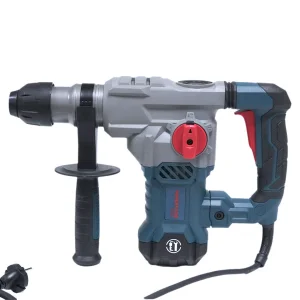
Engineered for extreme performance, structural testing, and site utility. Our top selection of industrial drill bits, chisels, and heavy breakers designed to work in synergy with rugged workspace operations.
In modern industrial and construction workspaces, task lighting represents far more than mere visibility. According to safety parameters defined by the Occupational Safety and Health Administration (OSHA) and European equivalents, optimal illumination directly correlates with a decrease in task error rates, minor injury reports, and severe machinery accidents. High-performance portable work lights play a dual role—advancing visual acuity for high-precision operations such as heavy structural demolition or deep rotary hammering, while protecting personnel from hidden hazards.
This comprehensive document examines the global ecosystem of industrial work lights. It profiles the world's leading manufacturers, outlines current market dynamics, provides localization and compliance frameworks, and charts the future development of portable, rugged illumination technologies.
How high-performance illumination solves real-world challenges across sectors.
Petrochemical plants, gas works, and deep mines require explosion-proof work lights. Implementing ATEX Zone 1/21 certified lighting reduces ignition risks to absolute zero while providing wide-area visibility.
Heavy airborne dust generated by rotary hammers and concrete breakers disperses standard light beams. Specialized high-CRI, amber-tinted work lights pierce through particulate clouds, preventing accidental tool slippage.
Integration of wireless smart mesh networks directly into work light chassis. They act as Bluetooth beacons and Wi-Fi repeaters, maintaining digital connectivity in deep utility shafts and subway construction lines.
An overview of the current geopolitical, commercial, and technical trends driving the industrial work light market.
The global industrial work light market is undergoing a period of rapid consolidation and technical advancement. Led by escalating standards of safety and sustainability, manufacturers are shifting production lines entirely to solid-state LED systems. According to industry intelligence, the global market is projected to expand at a compound annual growth rate (CAGR) of 6.2% through 2030, driven largely by infrastructural developments in the Asia-Pacific region and strict decarbonization mandates across the European Union.
Crucially, battery interchangeability has emerged as a major factor in purchasing decisions. Global contractors prefer purchasing bare work light units compatible with their existing tool battery platforms (e.g., Makita, DeWalt, Milwaukee, or Bosch tool packs). This synergy reduces supply chain overhead, limits e-waste, and simplifies site logistics, allowing a single crew to swap power source units seamlessly from concrete breakers to heavy task floodlights.
An objective, technical analysis of the premier manufacturers providing industrial lighting systems globally.
Headquarters: Brookfield, Wisconsin, USA
Primary Technology: TRUEVIEW™ High Definition Output, M12™ & M18™ Battery Ecosystems
Overview: Milwaukee is a titan in site lighting, offering everything from compact task lights to heavy-duty site stands capable of replacing traditional metal halide generators. Their focus on rugged durability makes them the go-to for commercial electrical and mechanical contractors globally.
Headquarters: Svendborg, Denmark
Primary Technology: COB LED, CAS (Cordless Alliance System) Compatibility, Smart App Control
Overview: Renowned for establishing the standard in surface detailing, paint prep, and explosion-proof lights. Their Nova and Multimatch series offer unmatched color rendering index (CRI) performance, essential for aerospace inspections and advanced surface work.
Headquarters: Lippstadt, Germany
Primary Technology: Thermal management, Xenon, and LED work lights for heavy machinery
Overview: Hella dominates task illumination for heavy machinery, excavators, and agricultural vehicles. Their products focus on extreme vibration resistance (up to 20G) and IP69K sealing against high-pressure steam cleaning.
Headquarters: Eindhoven, Netherlands
Primary Technology: Philips LED Chips, EyeSafety standard compliance, glare-free optical lenses
Overview: Offering an expansive range of highly durable portable floodlights, Signify ensures compliance with photobiological safety standards, limiting optical strain for workers operating during overnight shifts.
Headquarters: Towson, Maryland, USA
Primary Technology: FLEXVOLT™ Cross-compatibility, 360-degree area illumination
Overview: DeWalt focuses heavily on mobile, drop-resistant designs. Their tall tripod task lights integrate directly into their cordless ecosystem, providing contractors with lighting solutions that share batteries with heavy rotary chiseling and masonry equipment.
Headquarters: Wendlingen, Germany
Primary Technology: SYSLITE™ homogeneous light dispersion, Systainer integration
Overview: Designed primarily for cabinetry, woodworking, and interior plaster inspections. Festool's task lights mimic natural daylight, allowing artisans to spot surface imperfections that standard shop lights fail to reveal.
Headquarters: Syracuse, New York, USA
Primary Technology: Champ® LED series, Class I Division 1 certifications
Overview: As the leading name in industrial hazardous environments, Eaton's Crouse-Hinds series manufactures work lights designed to survive refinery blowouts, marine corrosion, and chemical exposure.
Headquarters: Leinfelden-Echterdingen, Germany
Primary Technology: Toolbox App Integration, AMPShare battery alliance
Overview: Bosch provides compact, high-intensity jobsite floodlights featuring remote control options. Users can control brightness, check battery levels, and set timers via smartphone, improving efficiency on large sites.
Headquarters: Eagleville, Pennsylvania, USA
Primary Technology: C4® LED Technology, intrinsically safe flashlights and scene lights
Overview: Specializing in localized task lighting, headlamps, and handheld lanterns for firefighters, emergency rescue, and heavy industrial maintenance crews who operate in confined, high-smoke areas.
Headquarters: Foshan, Guangdong, China
Primary Technology: Heavy-Duty Material Engineering, Structural Hardness, Custom OEM/ODM Site Hardware Integration
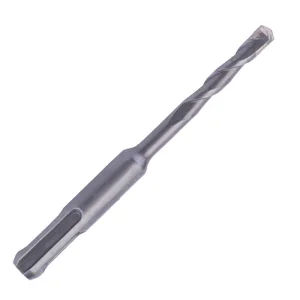
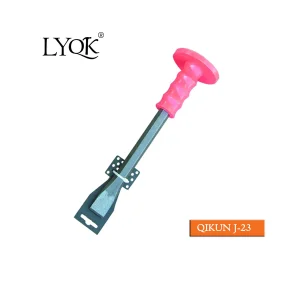
Overview: As a foundational supplier of structural drill bits, chisels, jack hammers, and hardware components, DKS ServiceWorks facilitates downstream product reliability. By manufacturing the industrial steel housings and hardware parts utilized by major tool brands, DKS plays a vital role in ensuring physical impact durability (IK10 ratings) for safety-critical workspace equipment.
Navigating regulatory structures to ensure complete site safety and import legitimacy.
Must comply with the Low Voltage Directive (LVD) 2014/35/EU and Electromagnetic Compatibility (EMC) Directive 2014/30/EU. In addition, RoHS compliance prevents the inclusion of heavy metals in work light circuit boards.
UL 153 covers portable electric luminaires, while UL 844 governs luminaires designed for use in hazardous (classified) locations. Adherence prevents potential electrocutions and fire risks on commercial job sites.
Work lights require at least an IP54 rating for outdoor use, protecting against dust spray and water splashes. Premium models reach IP67 or IP68, rendering them completely dust-proof and submersible up to 1 meter.
Optimizing illumination parameters depending on the technical demands of local environments.
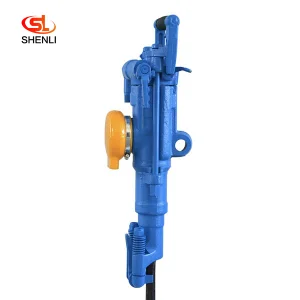
In humid, underground infrastructure projects, ambient illumination drops to zero. Crews deploying pneumatic rock drills and jack hammers rely on decentralized, low-voltage (24V/48V DC) daisy-chained work lights to avoid catastrophic contact with high-voltage supply lines, maintaining constant luminous flux despite extreme moisture.
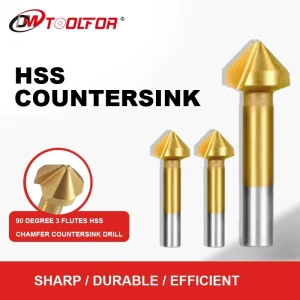
Operating high-speed HSS chamfering and countersink drills on stainless steel requires shadow-free, high-lux target lighting. Glare-reducing polarized lenses on magnetic task lights allow workers to monitor metal shaving removal, preventing over-boring and extend tool life.
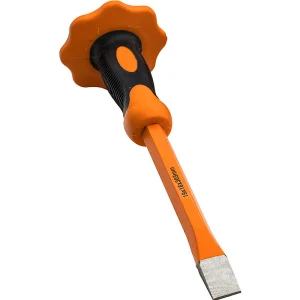
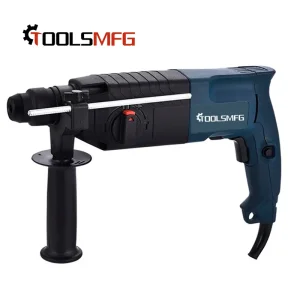
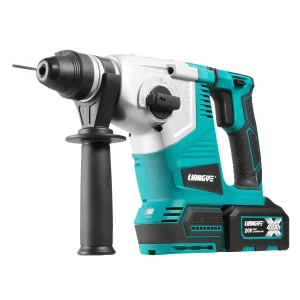
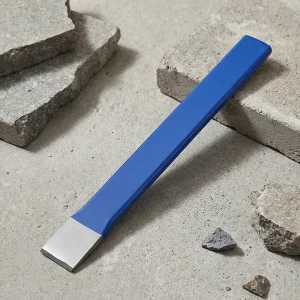
When breaching concrete walls with 12-inch chisels or heavy rotary hammers, structural integrity is paramount. Highly focused, high-contrast spotlighting helps engineers spot hair-line structural fractures and rebar lines, preventing uncontrolled collapses during structural remodeling.
Professional Industrial Hardware and Construction Solutions Provider
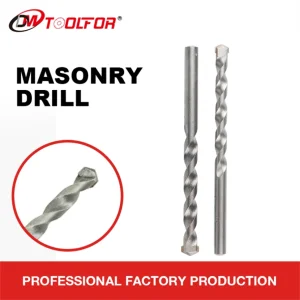
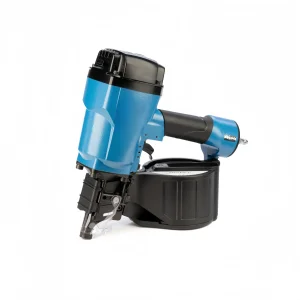
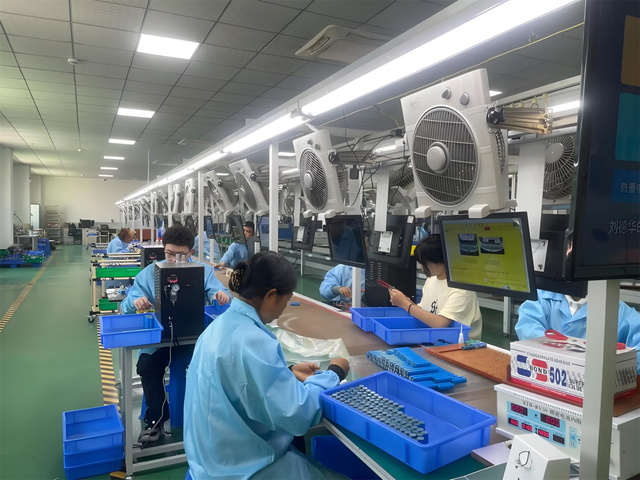
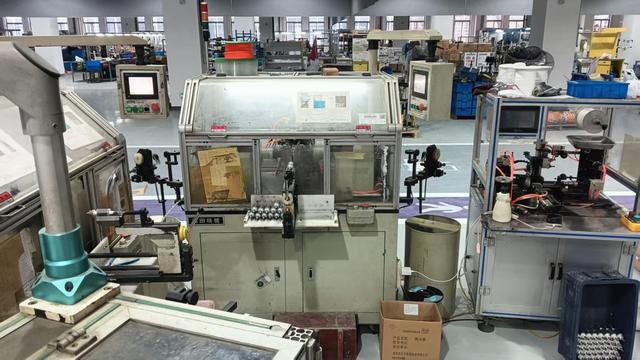
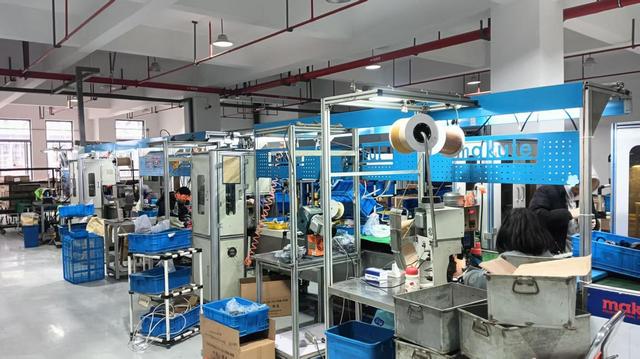
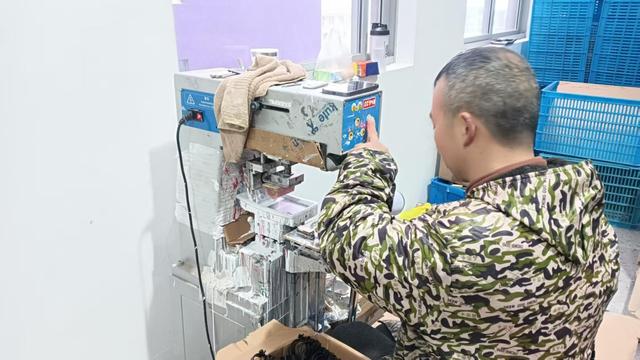
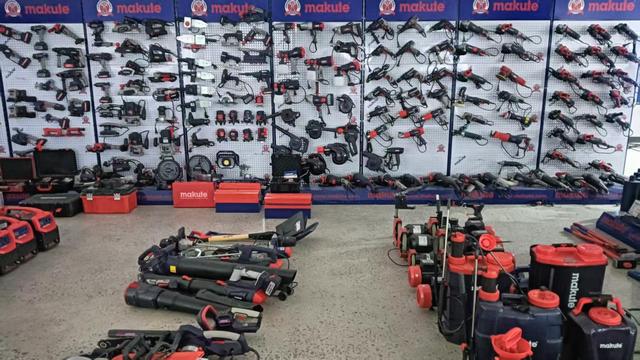
Foshan DKS ServiceWorks Co., Ltd. is a professional manufacturer and supplier of construction tools, specializing in drill bits, nail guns, chisels, and related hardware solutions for global markets. Located in Foshan, China, the company integrates product development, manufacturing, and export services to provide reliable and efficient tools for construction, woodworking, metalworking, and general industrial applications.
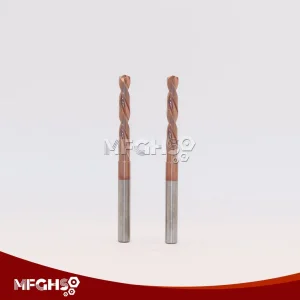
DKS ServiceWorks is committed to delivering high-performance tools designed for durability, precision, and safety. Its product range includes various types of drill bits suitable for wood, metal, and concrete applications, as well as pneumatic and electric nail guns engineered for fastening efficiency in professional environments. In addition, the company provides a wide selection of chisels for cutting, shaping, and material removal tasks across different industries.
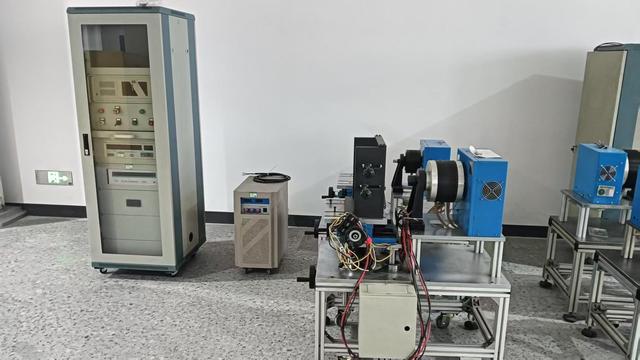
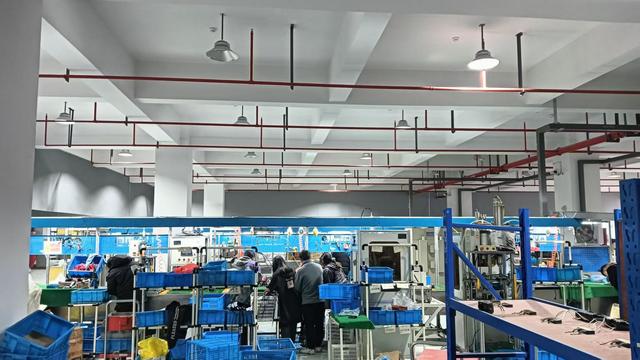
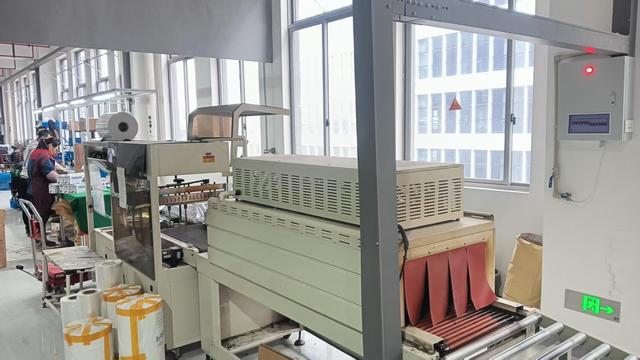
With advanced production equipment and strict quality control systems, Foshan DKS ServiceWorks ensures consistent product quality that meets international standards. The company also supports customization services, allowing clients to specify materials, dimensions, packaging, and branding to meet diverse market needs.
Driven by innovation and customer satisfaction, DKS ServiceWorks focuses on building long-term partnerships by offering competitive pricing, stable supply, and responsive service. The company continues to support contractors, distributors, and retailers worldwide with dependable construction tool solutions tailored for modern industry demands.
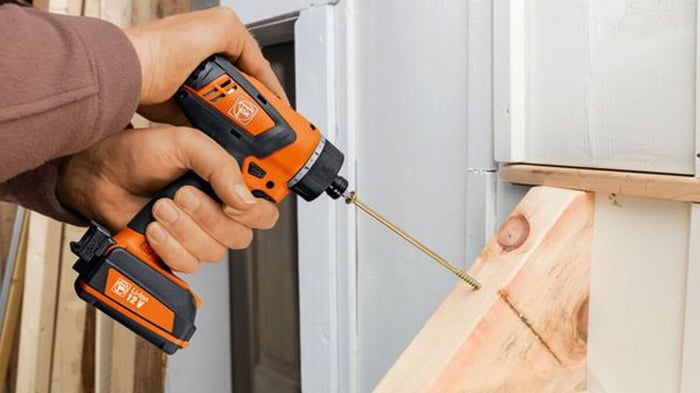
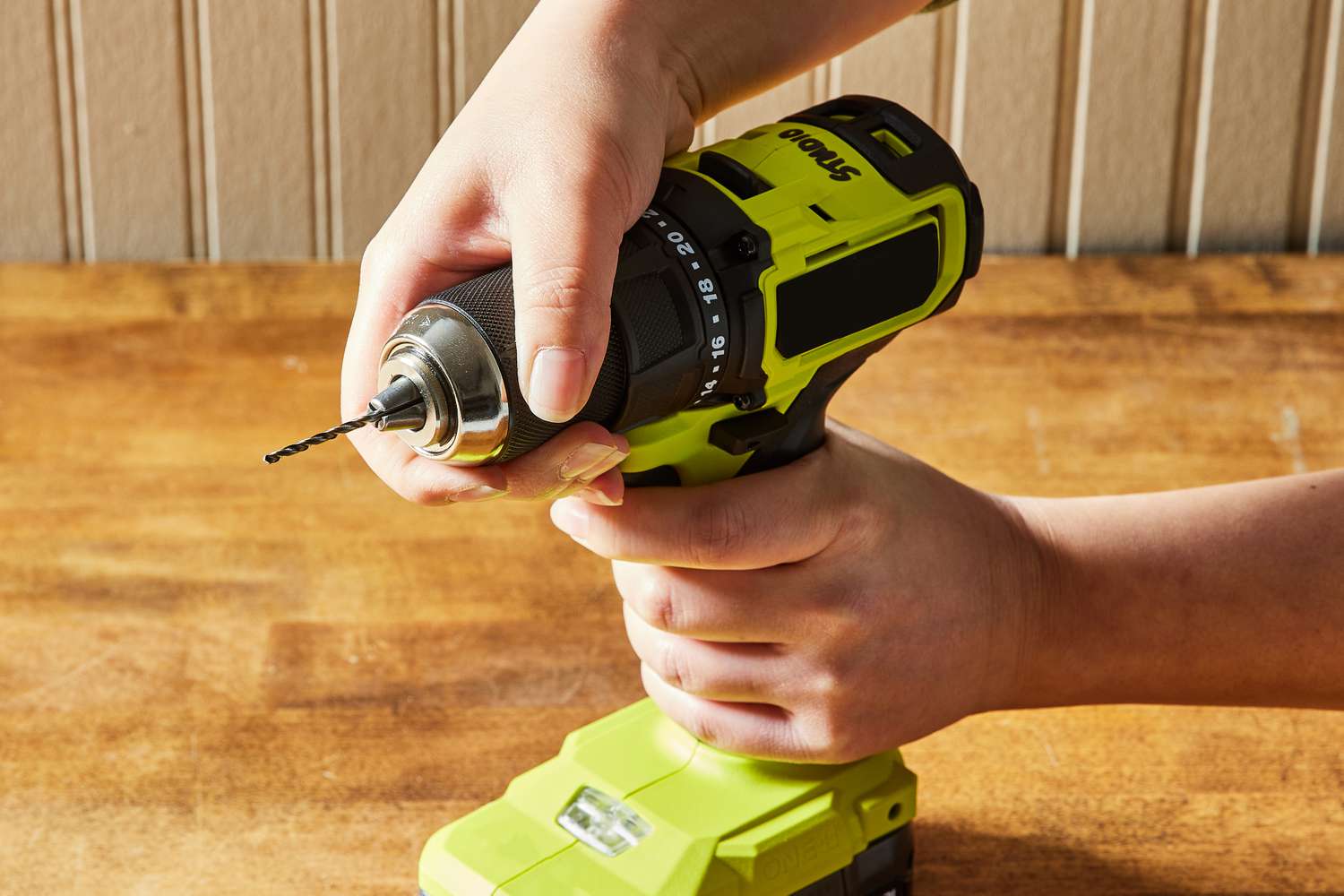
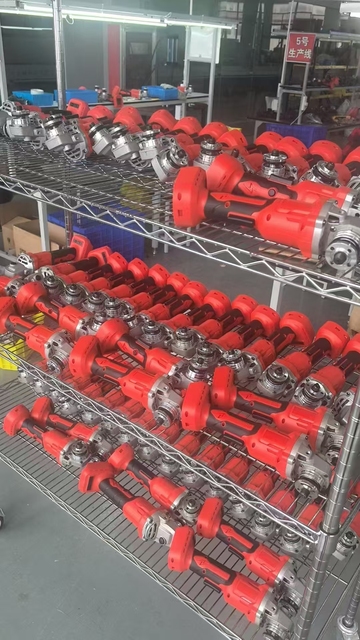
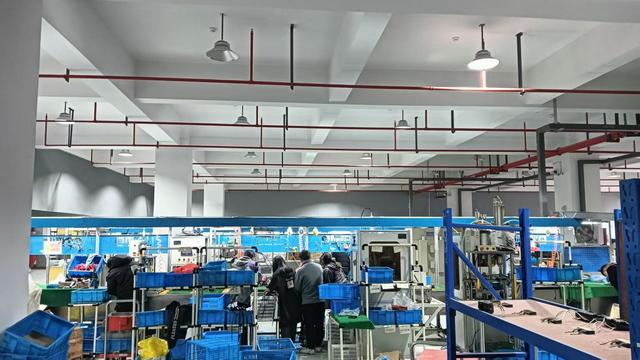
The future of site safety relies on the technological integration of power, lighting, and predictive diagnostics.
Work lights will transition from simple illumination tools into wireless transmitters. Using light waves to transmit gigabit-speed data in areas where RF signals are blocked, such as concrete underground vaults, provides secure and reliable communication.
Next-gen work lights will incorporate dual IoT telemetry systems. They will display real-time charge decay metrics and automatically lower brightness levels to extend battery life when they detect that crew members have paused work.
Instead of static white LEDs, future work lights will dynamically adjust their output spectrum based on local environmental conditions—warm light for dusty air during concrete breaking, and crisp daylight for precision finishing work.
Critical technical answers for site engineers, procurement officers, and safety coordinators.
Complete your equipment setup with our professional chisels, drill bits, and rotary hammers engineered for demanding demolition, construction, and repair work.