1 / 5
 DKS ServiceWorks
Drill Bit: Essential Cutting Tool for Precision Hole-Making
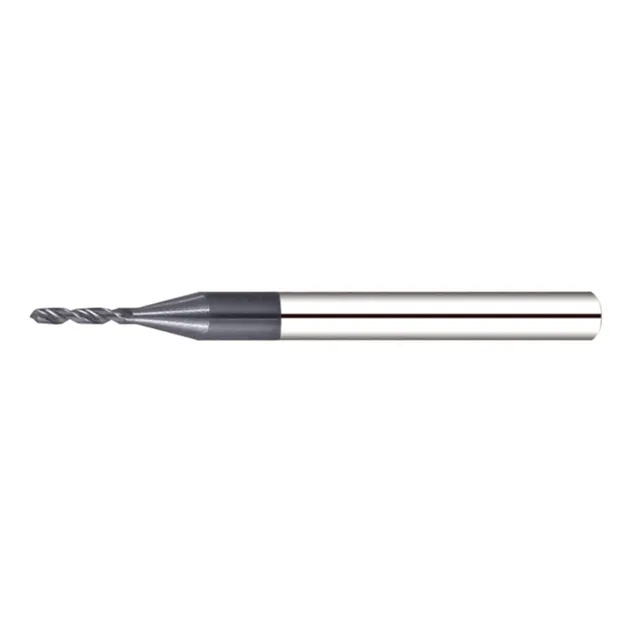
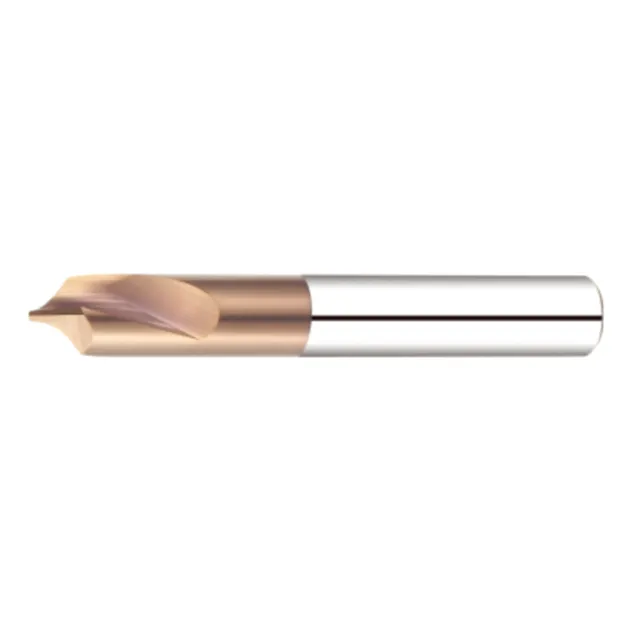
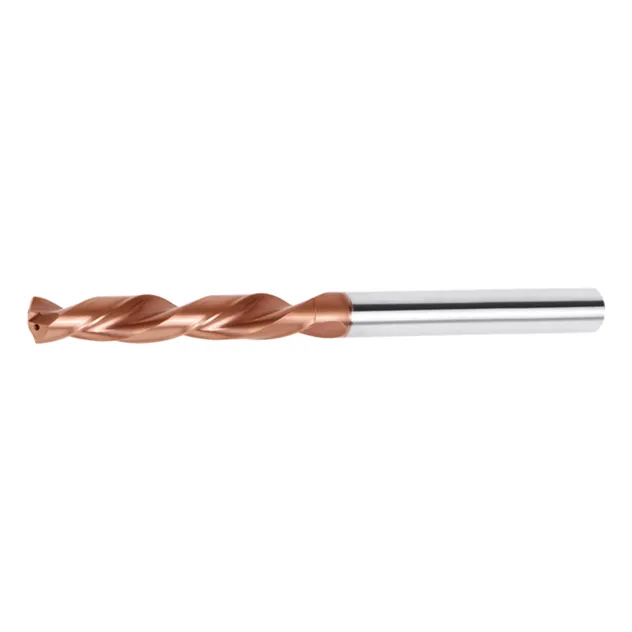
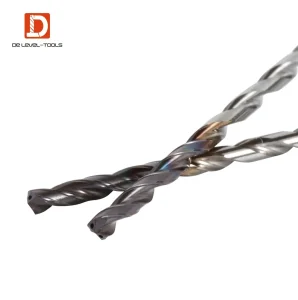
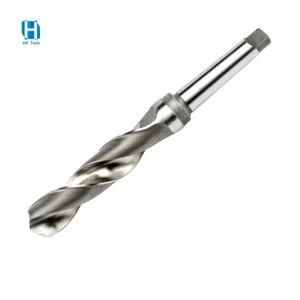
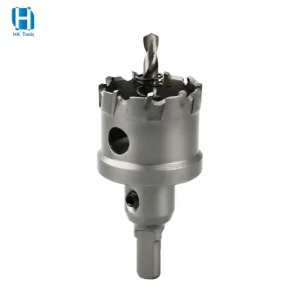
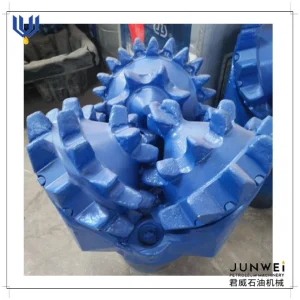
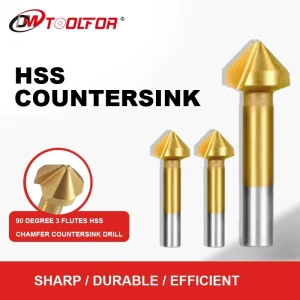
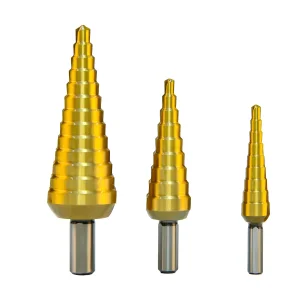
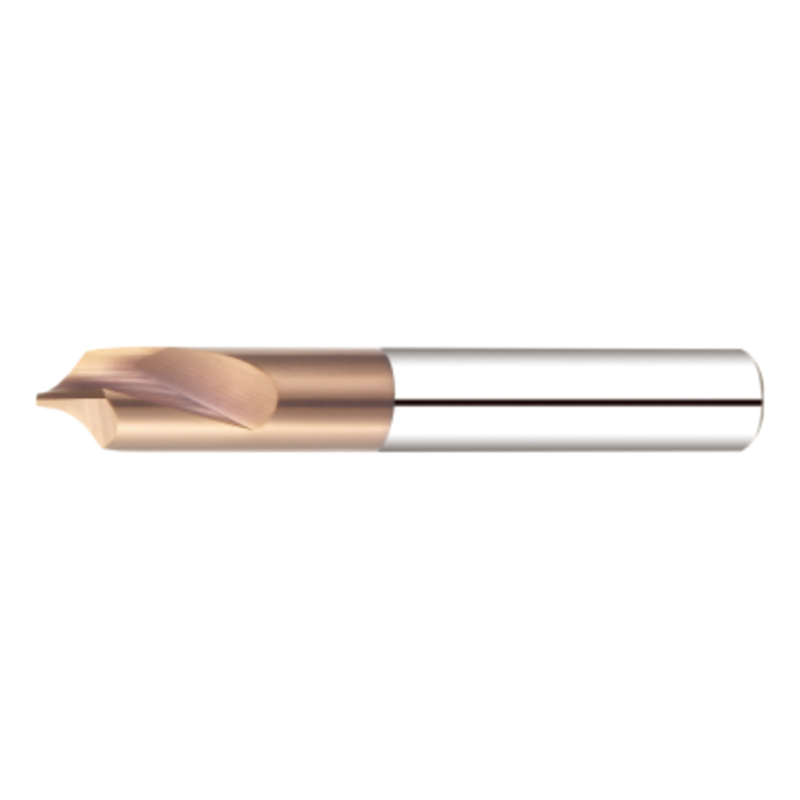
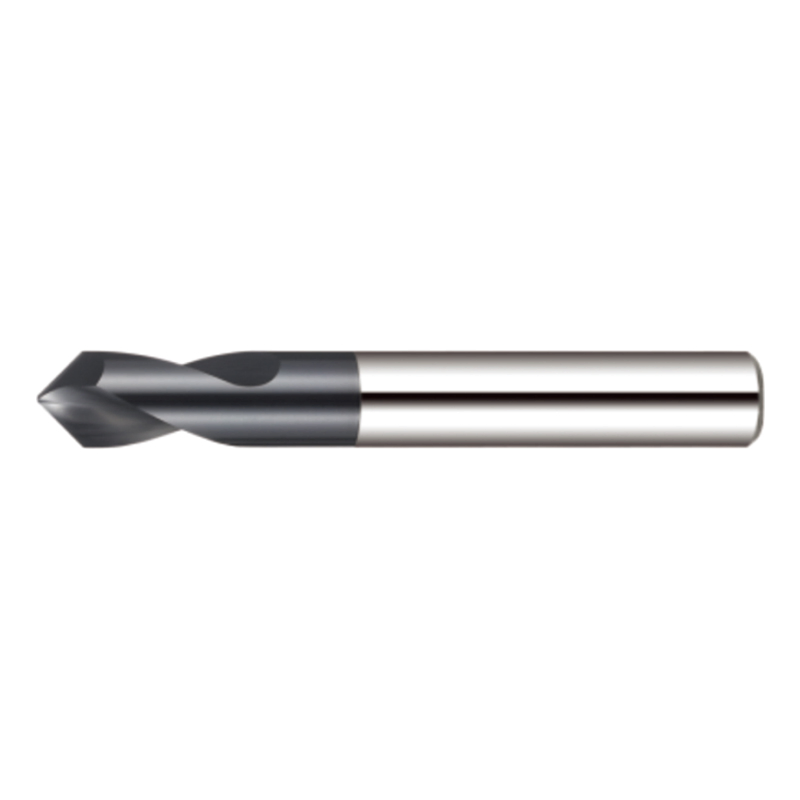
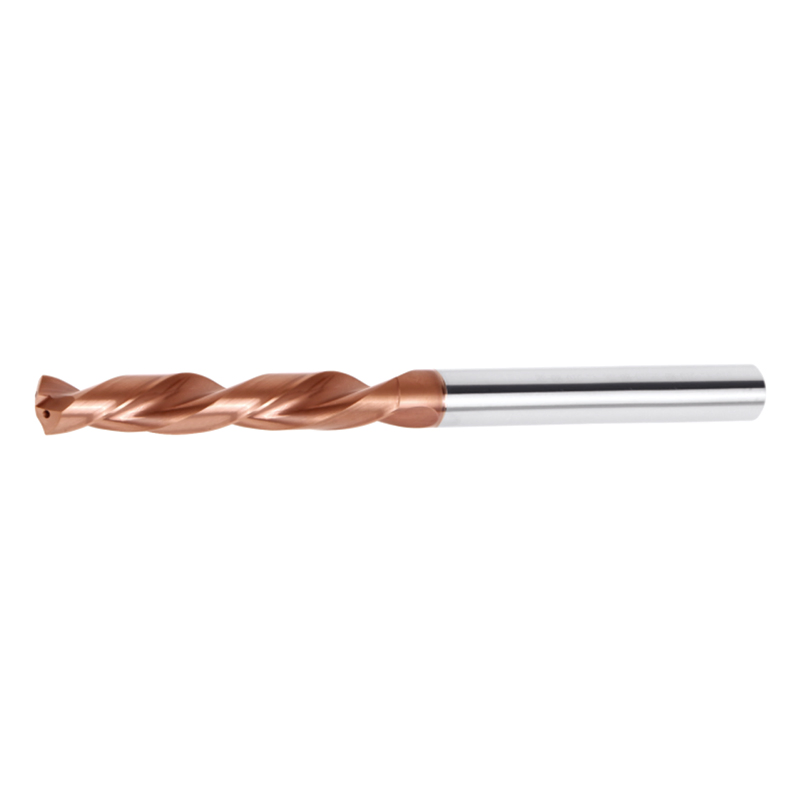
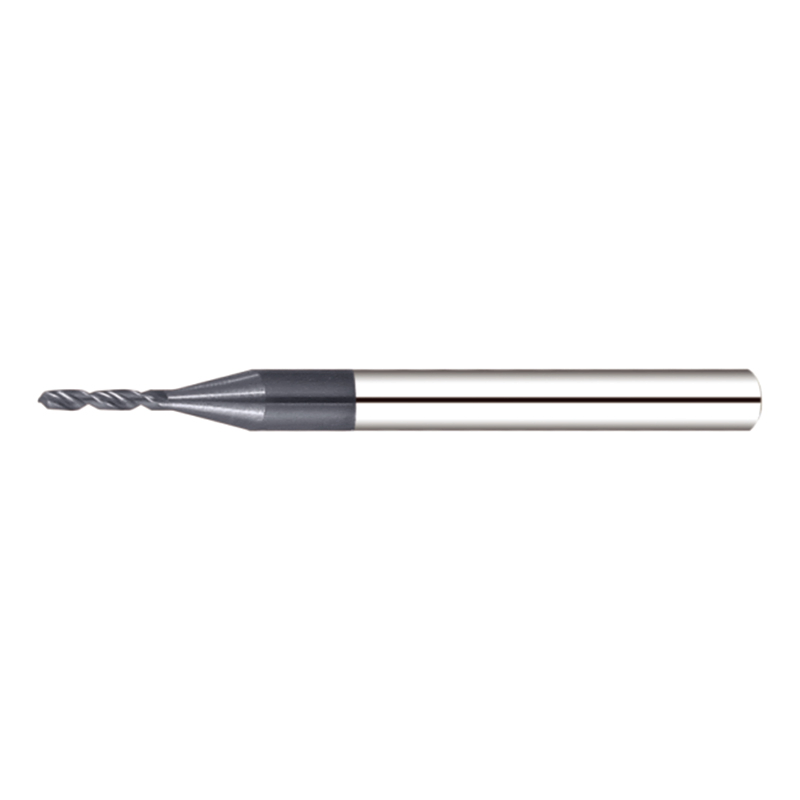
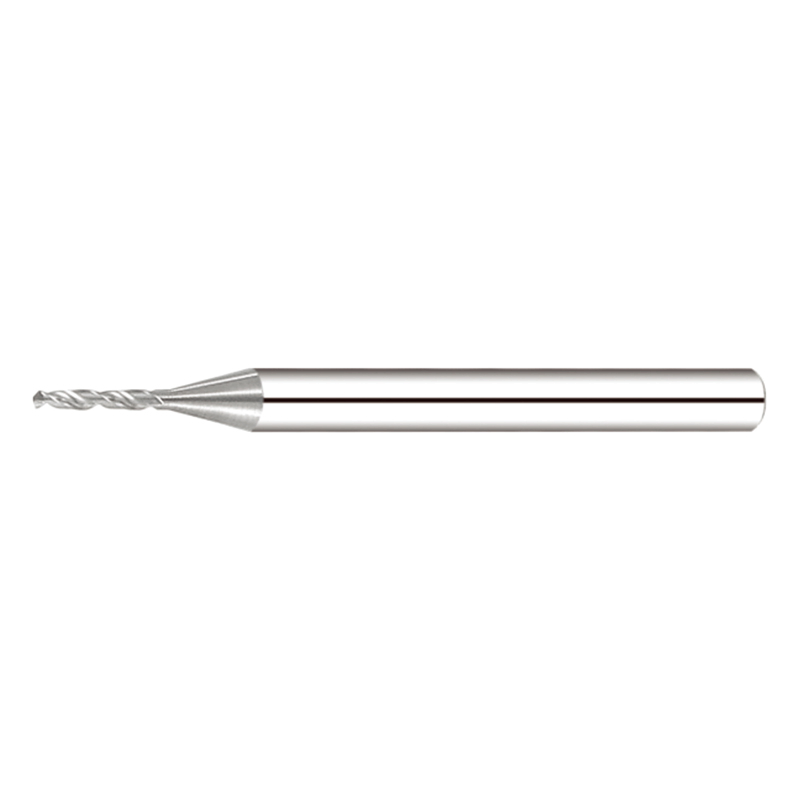
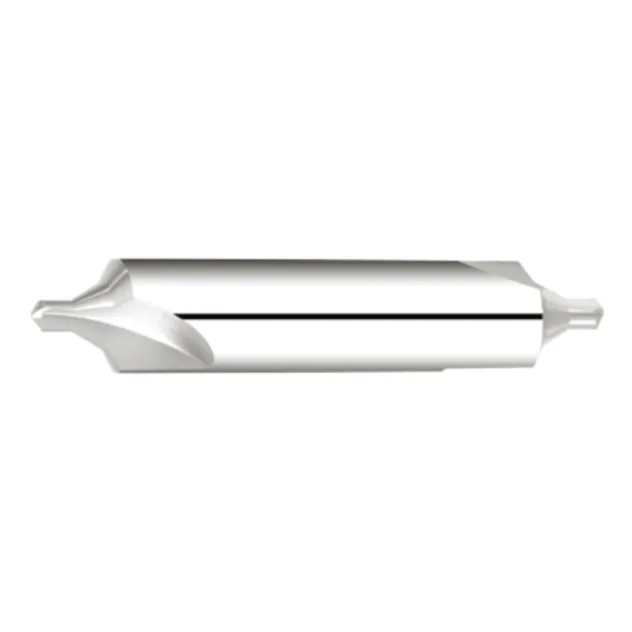
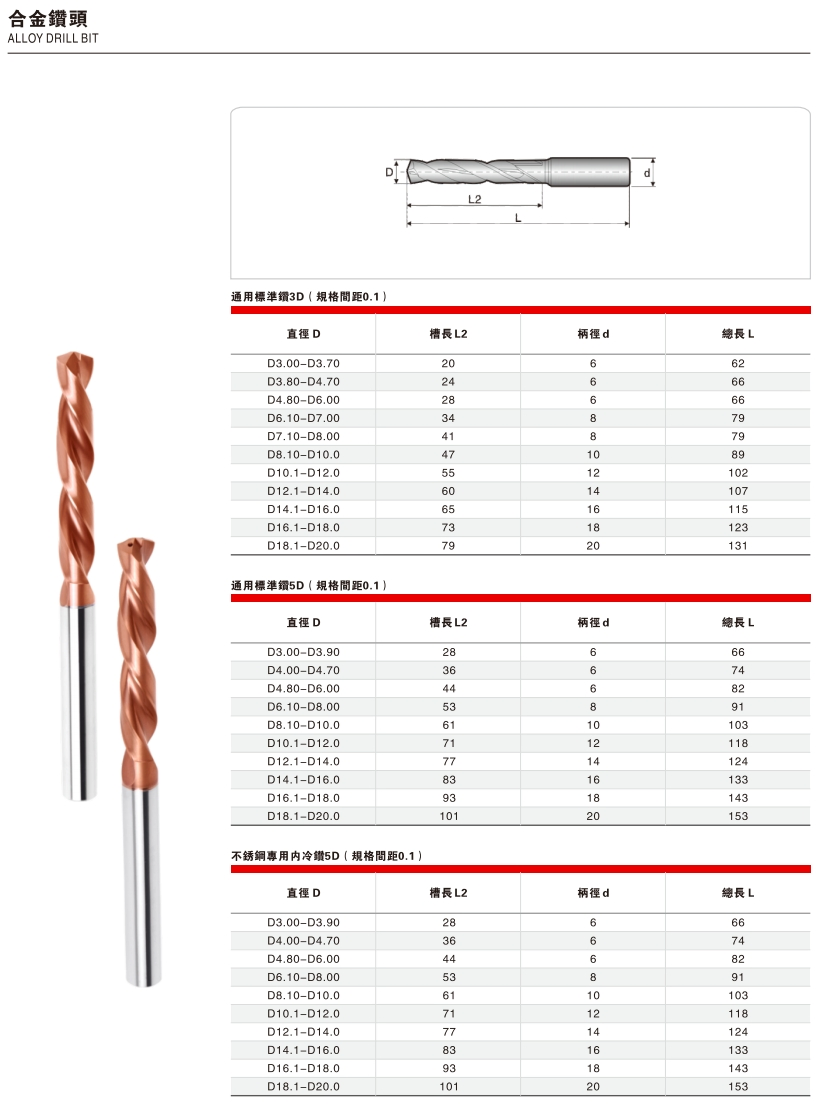
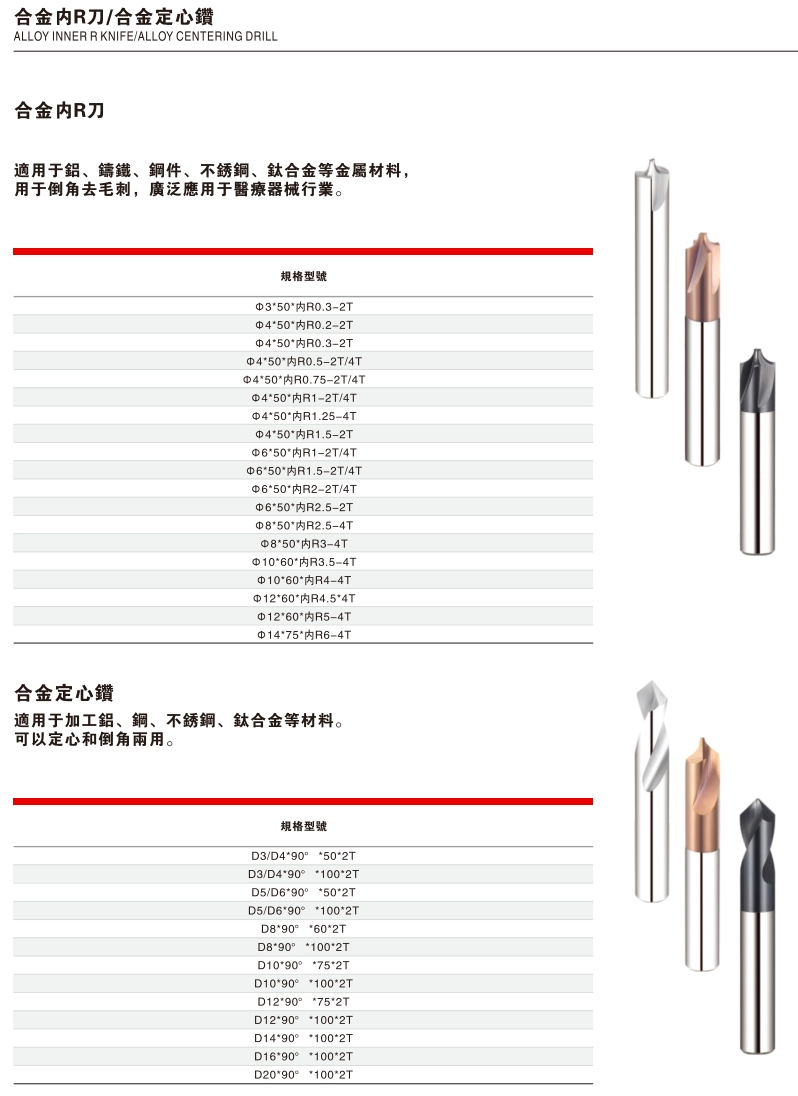
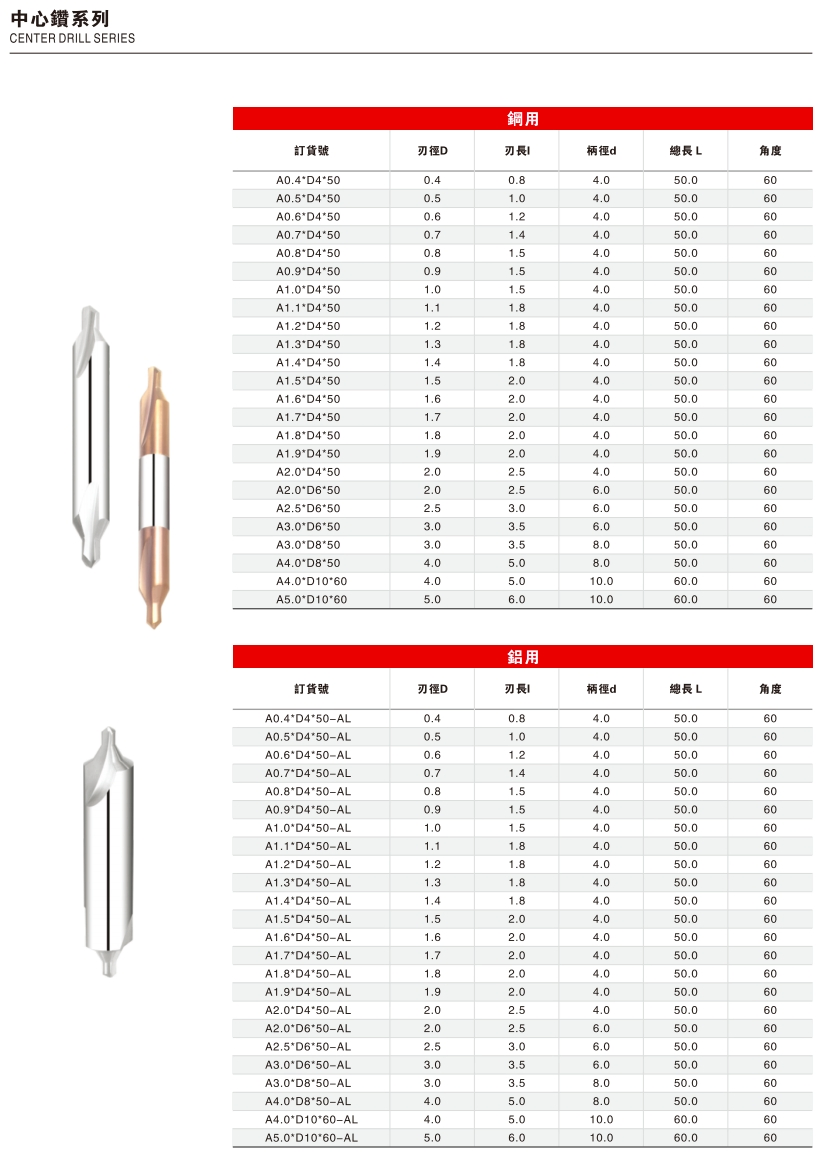
A drill bit is a rotating cutting tool designed to create holes in various materials, including metal, wood, plastic, and concrete. Characterized by its sharp, spiral-shaped (helical) cutting edges, it is widely used in machining, construction, woodworking, and DIY projects.
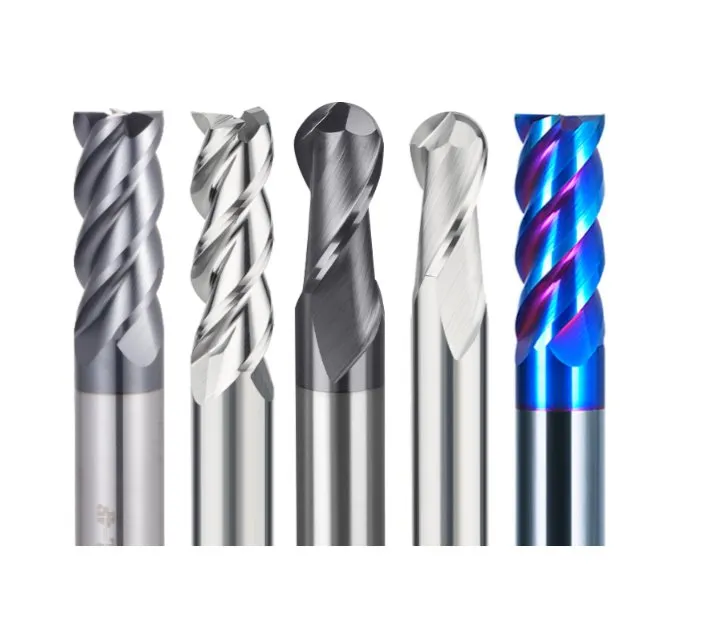
Key Features & Types:
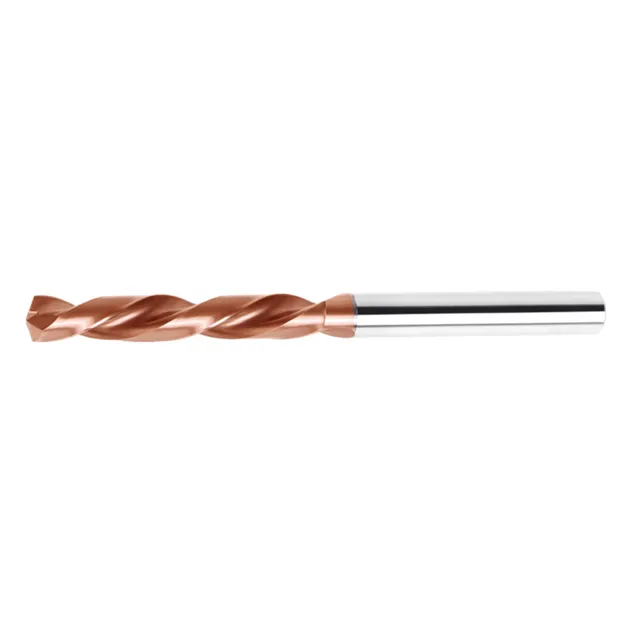
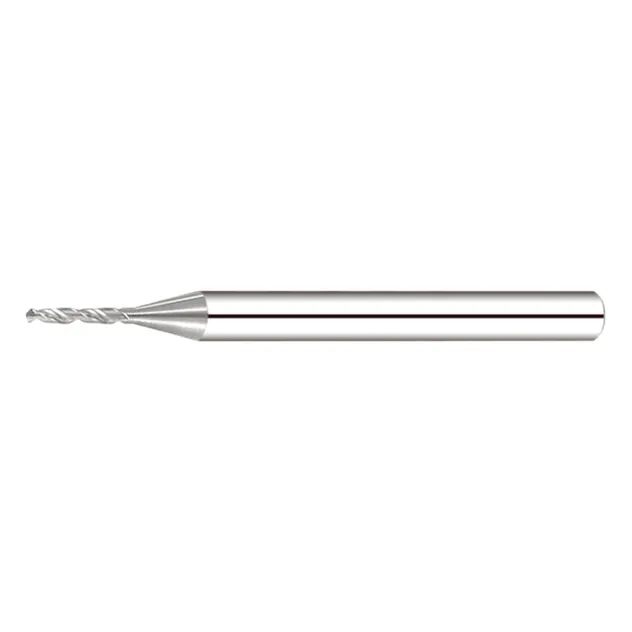
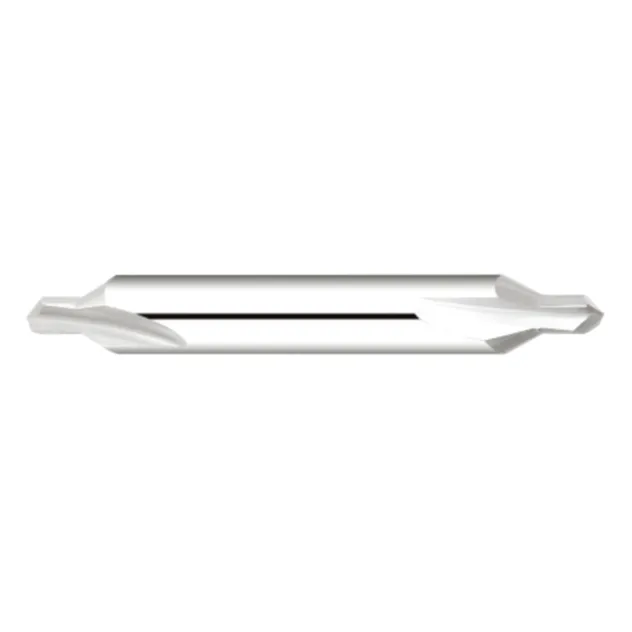
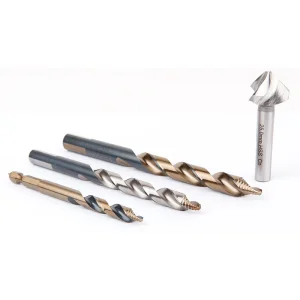
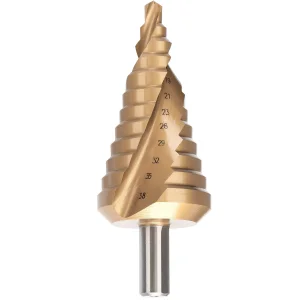
From drilling pilot holes in metal fabrication to creating anchor holes in construction, drill bits are indispensable. In CNC machining, precision drill bits ensure tight tolerances, while in woodworking, brad point bits deliver clean, splinter-free holes.
| Parameter Category | Key Specifications & Details |
|---|---|
| 1. Basic Geometry | - Diameter: 0.01mm to 100mm+; metric/imperial. - Point Angle: 118° (general), 135° (stainless), 90° (wood). - Helix Angle: 10°~40° based on material ductility. |
| 2. Shank Type | Round Shank, Hex Shank, Morse Taper (MT1~MT5), SDS Shank. |
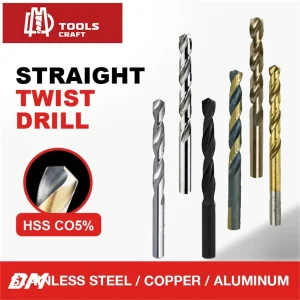
| 3. Material & Coating | Base: HSS, HSS-Co, Carbide, PCD, CBN. Coatings: TiN, TiCN, TiAlN, DLC, ZrN. |
| 4. Tolerance & Precision | Class: H7 (precision), H8/H9 (general). Runout: ≤0.01mm. |
| 5. Application | Steel, aluminum, stainless steel, wood, plastic, concrete. L/D Ratio up to 10+. |
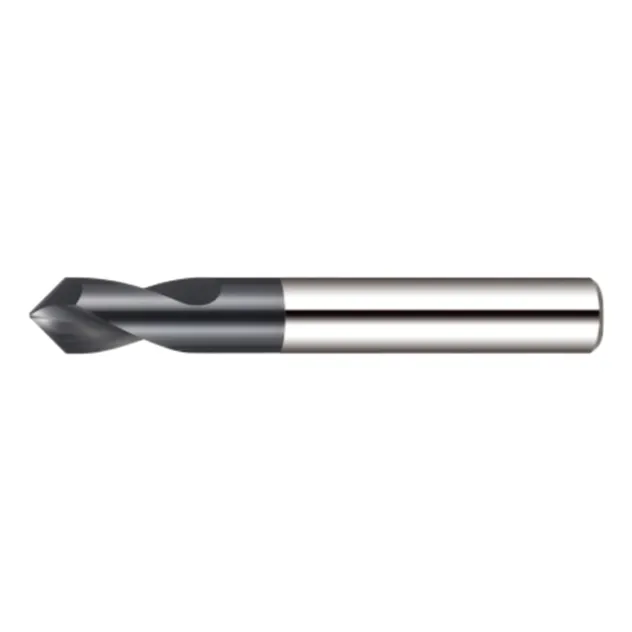
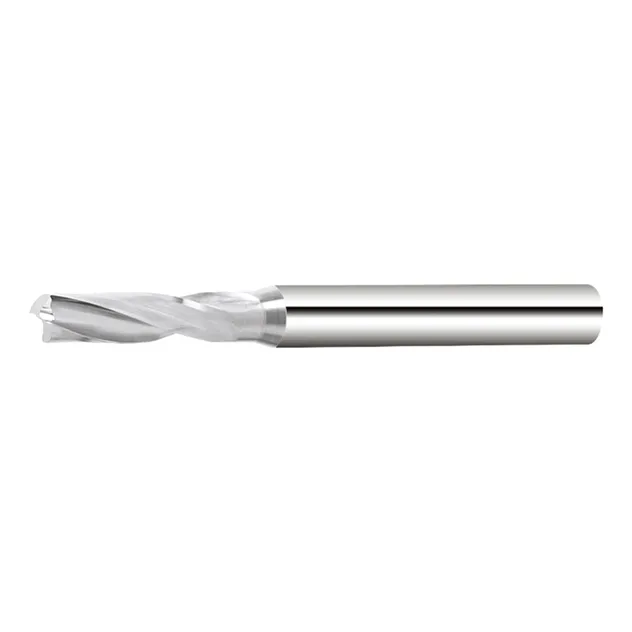
Selection Guide for Workpiece Materials
Hard materials: Choose carbide or HSS-Co bits with 135° split point and TiAlN/TiCN coatings. Use low feed rates.
Soft materials: Opt for HSS/carbide with 90°–118° point angle and large helix angle for chip evacuation.
Composites: Select diamond-coated or PCD bits with double-point angle to minimize delamination.