DKS ServiceWorks
DKS ServiceWorks
DKS ServiceWorks


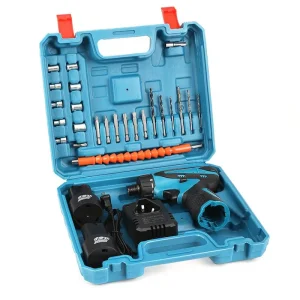
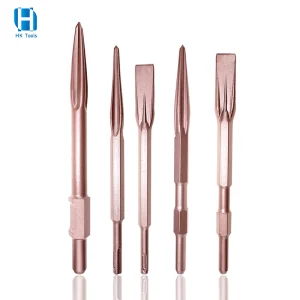
Understanding the massive macro-market demand, quality-grade delineations, and global supply chain integrations for surface preparation hand tools.
The global construction finishing and remodeling industries rely heavily on manual precision tools. Putty knives—variously designated as spackling knives, joint scrapers, or filling knives—are critical for drywall compound application, structural crack remediation, and paint preparation. With the rise of urban revitalization projects globally, the demand for durable finishing tools is projected to maintain a consistent CAGR of 4.8% through 2030, driven heavily by Western Europe, North America, and emerging markets in APAC.
B2B procurement structures segment putty knives into distinct utility levels. DIY/Light-Duty Grade options focus on low cost and lightweight construction (typically flexible carbon steel or low-grade plastics). Professional Contractors Grade utilizes high-performance 50# carbon steel or hardened stainless steel, providing optimized flex memory and extreme resistance to mechanical shearing. Understanding these grades allows distributors to target exact consumer segments without wasting cost overhead.
Modern supply chain managers are shifting from fragmented localized sourcing to centralized, quality-accredited manufacturing hubs. With global shipping logistics optimizing port-to-port turnarounds, sourcing from advanced factories in southern China enables volume buyers to acquire bespoke OEM products matching stringent ANSI (American National Standards Institute) and DIN (Deutsches Institut für Normung) tolerances at scale.
An analytical breakdown of metallurgical efficiency, labor-automation synergy, and local industrial clusters.
The manufacturing efficiency of high-quality Chinese factories is rooted in raw material access and high-precision heat-treatment processes. Leading manufacturers utilize high-precision cold-rolling mills to guarantee consistent thickness across the blade profile. Thermal treatments—such as continuous mesh-belt furnace quenching and tempering—are meticulously calibrated to achieve specific Rockwell hardness values (HRC 48-52). This provides the essential "flex-memory" capability, allowing the knife to bend up to 90 degrees under load and return to perfect flatness without deformation.
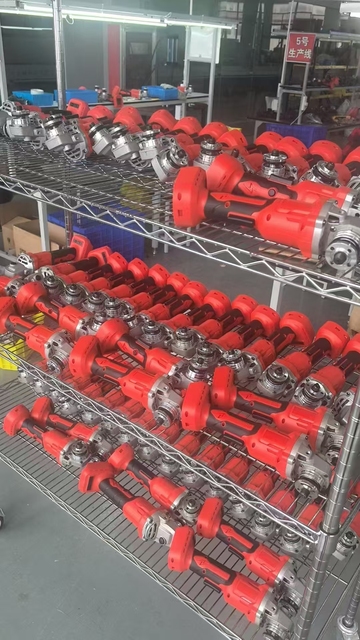
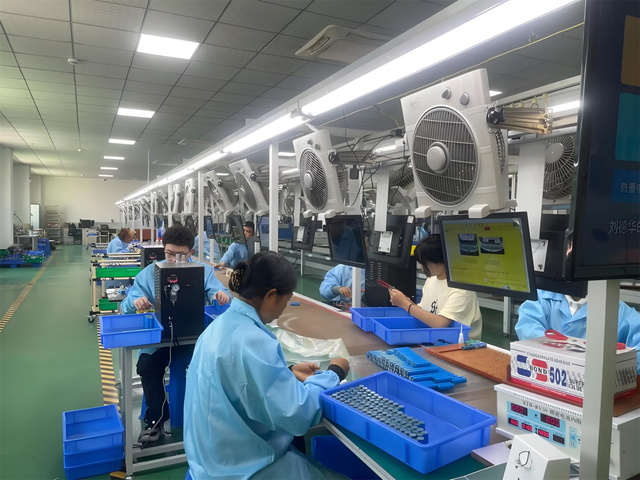
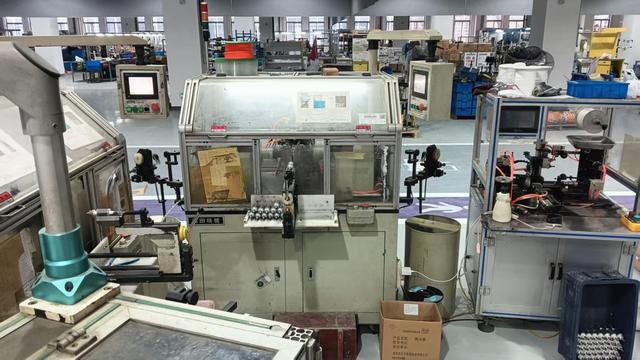
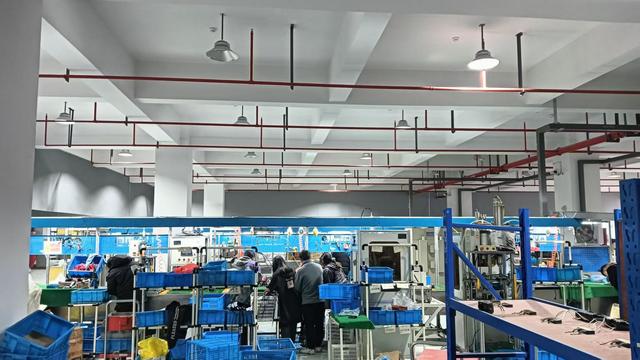
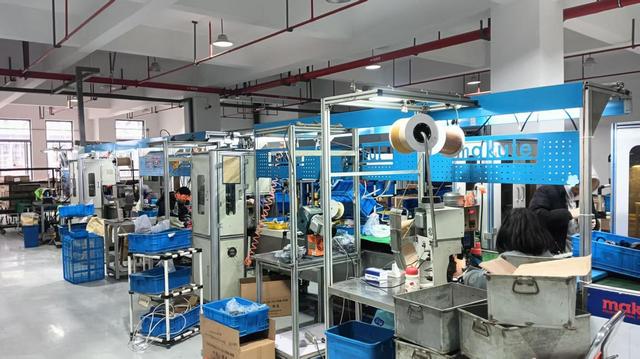
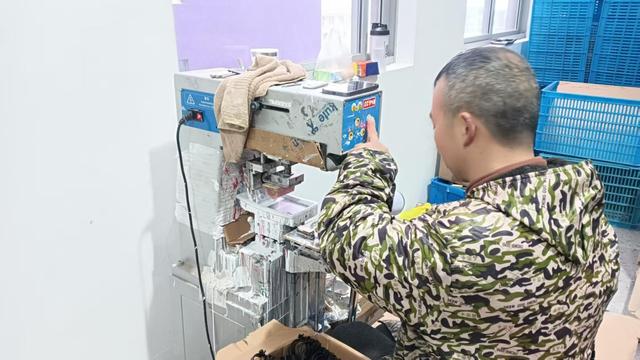
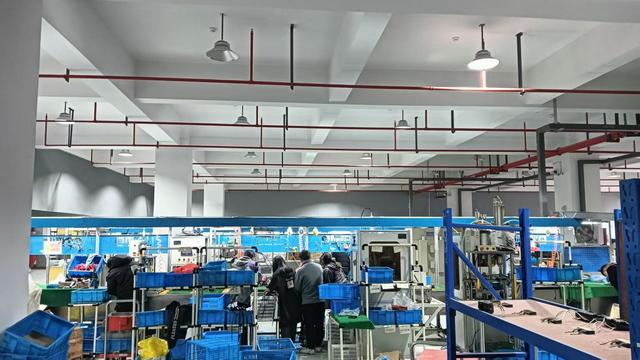
While hand tools were historically labor-intensive, top Chinese OEM suppliers now run semi-automated and fully automated production lines. Robotic arms handle blade grinding (providing consistent hollow-ground and taper-ground bevels), laser-welding, and automated dual-density plastic injection molding (for ergonomic TPR/ABS soft grips). This level of automation ensures that the 100,000th unit coming off the conveyor exhibits the exact tolerances and structural integrity as the first sample.
The industrial cluster of Guangdong, specifically surrounding Foshan, provides unparalleled supply-chain efficiency. Within a 50-kilometer radius, factories can source steel, high-impact polymers, custom chemical coatings, custom packaging, and specialized mold tooling. This geographical optimization dramatically cuts down transit times and production costs, passing significant margins down to international distributors and retail chains.
Every geographical market demands distinct features. We design putty knives that respect the operational reality of regional jobsites.
For drywall tapers and finishers in North America, wide-joint spatulas and flexible putty knives (ranging from 6 inches to 14 inches) are paramount. The tools must feature a hammer-end cap (often zinc-alloy or brass) for resetting protruding drywall screws. The blade must be exceptionally flexible yet hold compound without spilling. Sourcing agents should focus on mirror-polished stainless steel to prevent compound residue adhesion.
European finishing workflows favor stiffer blades and ergonomic wooden or composite handles that offer comfortable lever-action. Heavy-duty scrapers are required to remove old wall coverings, thick wood lacquers, and heavy masonry residues. Rust resistance is critical due to the persistent use of water-based lime and gypsum plasters. Thus, high-grade 304 or 420 stainless steel alloys are the primary choice.
In industrial settings and automotive repair bays, scrapers and putty knives are utilized to apply resin-based body fillers or scrape away tough gasket adhesives and paint coatings. These environments require high resistance to harsh solvents like acetone and methyl ethyl ketone (MEK). Specialized nylon handles or solvent-proof wood-plastic composites are integrated to prevent handle dissolution or degradation over time.
The hand tool sector is undergoing rapid evolution. Key emerging trends changing the global hardware catalog include:
Global regulations are steering B2B buyers toward green supply chains. Manufacturers are actively replacing traditional plastics with post-consumer recycled resins (PCR) and bio-based polymers for the handles without sacrificing structural density or drop-test performance. This aligns with modern corporate ESG targets.
While mirror polishing offers decent corrosion resistance, modern industrial scrapers now feature specialized treatments such as black-oxide coatings, titanium plating, and anti-friction Teflon layers. These surface treatments drastically increase wear resistance and cut cleanup times by half.
Repetitive strain injuries (RSI) are a major driver of modern tool ergonomics. By studying hand pressure mapping, manufacturers have developed handles with custom thumb-rest pads, enlarged finger guards, and palm-contoured shock-absorption areas to maximize comfort during 8-hour construction shifts.
Avoid costly procurement mistakes by implementing structured verification benchmarks when reviewing prospective suppliers.
A premier hardware solution provider specializing in construction and finishing tools for global markets.
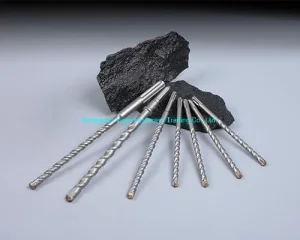
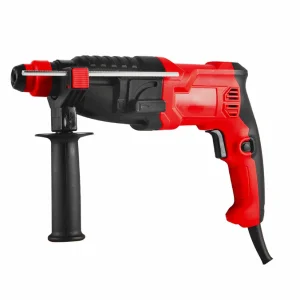
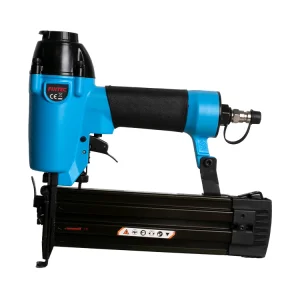
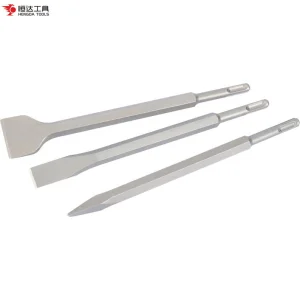
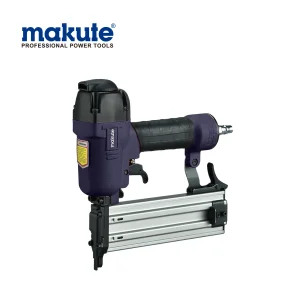
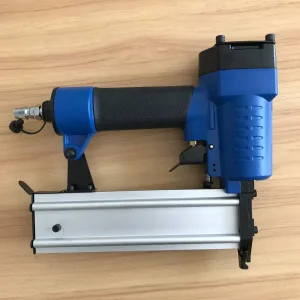
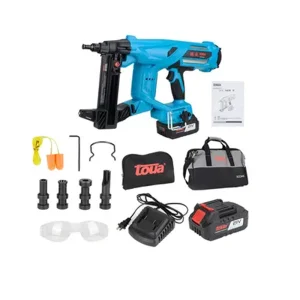
Foshan DKS ServiceWorks Co., Ltd. is a professional manufacturer and supplier of construction tools, specializing in drill bits, nail guns, chisels, and related hardware solutions for global markets. Located in Foshan, China, the company integrates product development, manufacturing, and export services to provide reliable and efficient tools for construction, woodworking, metalworking, and general industrial applications.
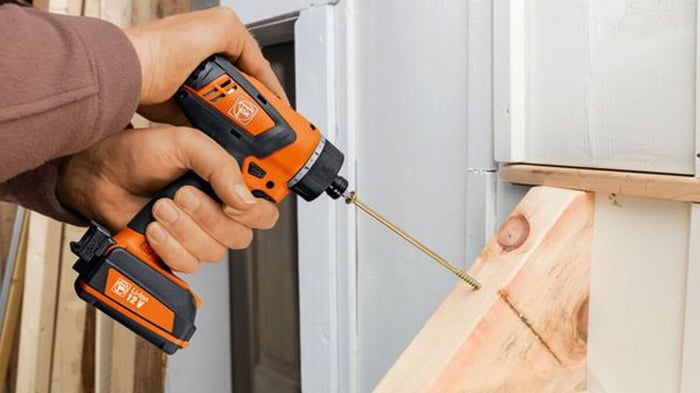
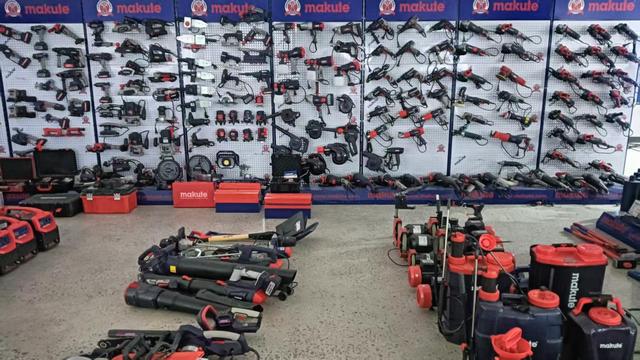
DKS ServiceWorks is committed to delivering high-performance tools designed for durability, precision, and safety. Its product range includes various types of drill bits suitable for wood, metal, and concrete applications, as well as pneumatic and electric nail guns engineered for fastening efficiency in professional environments. In addition, the company provides a wide selection of chisels for cutting, shaping, and material removal tasks across different industries.
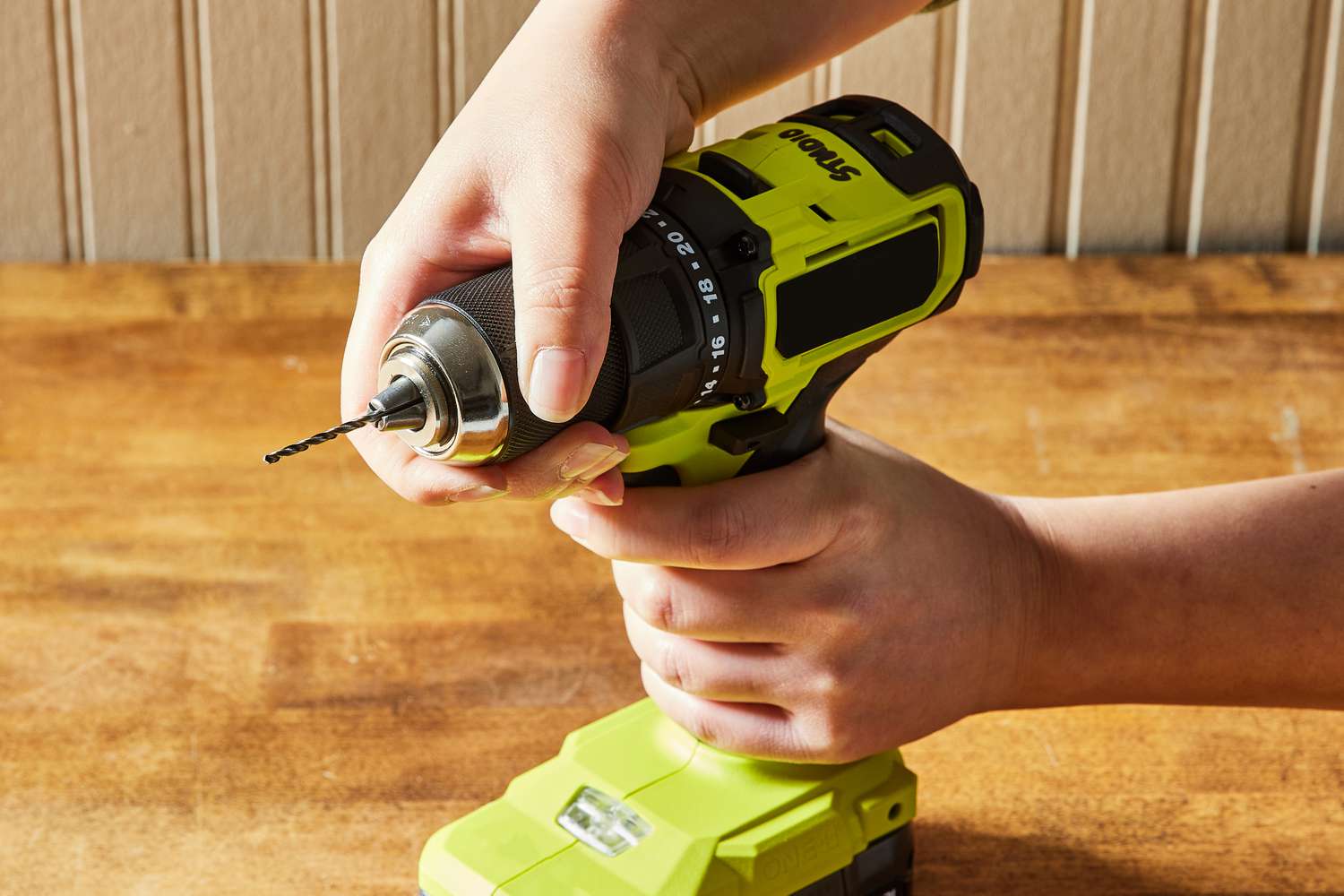
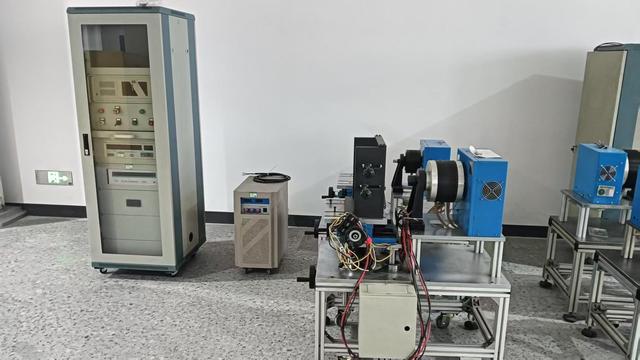
With advanced production equipment and strict quality control systems, Foshan DKS ServiceWorks ensures consistent product quality that meets international standards. The company also supports customization services, allowing clients to specify materials, dimensions, packaging, and branding to meet diverse market needs.
Driven by innovation and customer satisfaction, DKS ServiceWorks focuses on building long-term partnerships by offering competitive pricing, stable supply, and responsive service. The company continues to support contractors, distributors, and retailers worldwide with dependable construction tool solutions tailored for modern industry demands.

Expert technical insights regarding putty knife design, manufacturing parameters, logistics, and OEM order protocols.